
How to Improve the Water Pressure in Your Home
Low water pressure makes every shower, sink, and appliance feel like a compromise. This complete guide walks you through the real causes of weak water flow and the practical fixes that restore strong, consistent pressure throughout your house.
Understanding Normal Water Pressure
Before you start turning valves or buying parts, it helps to know what "good" water pressure actually means. Household plumbing is measured in PSI (pounds per square inch), and most fixtures are designed to perform best within a fairly narrow band.
Use the table below as a reference when testing your system with a pressure gauge. If your reading falls outside the ideal range, the fix depends on whether you are too low or too high.
| Pressure Reading (PSI) | What It Means | Typical Action |
|---|---|---|
| Below 30 | Weak flow at most fixtures, appliances may struggle | Investigate supply, regulator, or install a booster |
| 30 – 40 | Below ideal; noticeable at showers and upper floors | Check for clogs, partially closed valves, pipe buildup |
| 40 – 60 | Ideal range for most residential systems | No action needed if flow feels consistent |
| 60 – 80 | High but often tolerable in older systems | Monitor for leaks and appliance wear |
| Above 80 | Excessive; risks pipe and appliance damage | Install or adjust a pressure-reducing valve |
To test your pressure, screw a gauge onto an outdoor hose bib or a laundry sink faucet, then open the valve fully. Take a reading with no other fixtures running. If you do not own a gauge yet, the recommended tools section below covers the basic models worth keeping in a home toolbox.
How to Diagnose the Source of Low Water Pressure
Randomly replacing parts wastes time and money. The fastest path to a fix is to isolate where the pressure loss is happening. Work through these diagnostic questions in order.
Is the problem at one fixture or everywhere?
If only one faucet or shower is weak, the issue is almost always local: a clogged aerator, a failing cartridge, or debris in that fixture's supply line. If every fixture in the house is weak, the problem is upstream — at the main valve, the pressure regulator, the meter, or the supply itself.
Is it hot water only, cold water only, or both?
Weak hot water on its own often points to sediment buildup inside a tank water heater or a partially closed valve on the hot side. Weak cold water on its own can indicate a clogged cold supply line. When both sides are weak, the problem is at the main supply.
Does pressure drop when another fixture runs?
Pressure that falls sharply when a second tap opens suggests undersized pipes, a restrictive pressure regulator, or a supply line that cannot keep up with demand. This is common in older homes with narrow galvanized piping.
Fixture-Level Fixes You Can Do Today
These are the highest-value, lowest-effort fixes. Most homeowners can complete them with basic hand tools in under an hour.
1. Clean or replace clogged aerators
Faucet aerators trap mineral deposits and debris over time. Unscrew the aerator from the faucet tip, soak it in white vinegar for 30 minutes, rinse, and reinstall. If the screen is torn or heavily scaled, replace the aerator entirely — it is one of the least expensive parts in any plumbing repair.
2. Descale showerheads
Showerheads collect calcium and magnesium. Remove the showerhead, soak it in a vinegar solution overnight, then scrub the nozzle holes with an old toothbrush. A clogged showerhead can cut perceived pressure by half even when the supply is fine.
3. Replace failing faucet cartridges
A worn cartridge or mixing valve restricts flow at the fixture. If a single faucet has weak flow on both hot and cold after cleaning the aerator, the cartridge is the next suspect. Match the replacement part to your faucet model.
4. Check fixture supply lines and shutoff valves
Flexible supply lines under sinks can kink, and angle stop valves can become partially stuck. Open the valve fully, inspect the line for kinks, and replace braided lines that show corrosion or reduced internal diameter.
5. Flush the water heater
Sediment in a tank water heater reduces hot water flow and shortens appliance life. Draining the tank annually is a simple maintenance task that often restores hot-side pressure. If your home is undergoing wider improvements, it is worth aligning maintenance with planned upgrades — our water pressure adjustment guide covers regulator tuning in more detail.
Whole-House Fixes: Valves, Regulator, and Pipes
When the entire house is affected, the problem lives between the street (or well) and your fixtures. Work through these checks before considering a booster pump.
Main shutoff valve
Locate the main shutoff valve where the supply enters the house. If it is partially closed — common after plumbing work — opening it fully may solve the problem immediately. Gate valves that are rarely used can seize in a half-open position; consider replacing them with full-port ball valves.
Pressure-reducing valve (PRV)
Homes with high municipal pressure usually have a PRV installed near the main valve. A failing PRV can drop household pressure too low, or cause fluctuations. Most PRVs have an adjustment screw on top; a quarter-turn adjustment can restore pressure. If the valve is old or unresponsive, replace it.
Pipe condition and sizing
Galvanized steel pipes accumulate internal rust and scale over decades, narrowing the effective diameter. Copper and PEX pipes resist this but can still be undersized. If pressure has declined gradually over years, internal pipe restriction is a strong candidate. A partial repipe of the most affected runs is often more practical than a full replacement.
Water meter and municipal supply
Call your utility if neighbors also report low pressure — the issue may be on the municipal side. A faulty meter or a restricted service line is the utility's responsibility to diagnose.
When and How to Install a Booster Pump
A water pressure booster pump is the most reliable solution when the supply itself is consistently weak — common in homes on wells, properties at the end of a municipal line, or multi-story homes with fixtures far from the main.
Signs a booster is the right fix
- Whole-house pressure reads consistently below 40 PSI even after cleaning fixtures and checking valves.
- Pressure is adequate at the ground floor but drops sharply on upper floors.
- Municipal supply or well output is confirmed weak by a professional.
- You have already ruled out clogs, PRV issues, and pipe restriction.
How a booster pump works
The pump is installed on the main supply line after the shutoff valve, typically near the water meter or pressure tank. It senses flow and boosts pressure to a set target. Modern units are relatively quiet and can run on standard household power. Tankless or "on-demand" models activate only when water is flowing, which reduces energy use compared with continuous-run models.
What to look for when choosing one
Match the pump's flow rate to the number of fixtures likely to run simultaneously. A basic whole-house model handles a typical single-family home; larger homes with multiple bathrooms may need a higher-capacity unit. Look for models with adjustable pressure settings and built-in dry-run protection. Booster pumps occupy a tiered market — entry-level models suit modest homes, mid-range units cover most family households, and premium models add variable-speed control and quieter operation.
Special Considerations for Well Water Systems
Homes on private wells have a different pressure equation. The well pump, pressure tank, and pressure switch work together, and any one of them can cause low pressure.
- Pressure switch settings: Most well systems use a 30/50 or 40/60 switch. If the cut-in and cut-out settings are too low, household pressure will feel weak. Adjusting the switch is a small change with a big effect — but it must be done carefully and within the pump's safe range.
- Pressure tank condition: A waterlogged or failing pressure tank causes rapid cycling and inconsistent pressure. Check the tank's air charge and inspect the bladder if pressure fluctuates.
- Well pump performance: A failing pump or a dropping water table reduces output. A professional well inspection can confirm whether the pump is the bottleneck.
- Sediment filters: Clogged sediment filters on well systems are a common and easily overlooked cause of low pressure. Replace filter cartridges on schedule.
If your well system is delivering low pressure and you also plan to renovate bathrooms or kitchens in the near future, it is worth understanding the full project scope first — see our guide on kitchen and bathroom renovation costs to plan the budget holistically.
Preventive Maintenance to Keep Pressure Strong
Most low-pressure problems develop slowly. A simple maintenance routine keeps pressure consistent and catches issues before they become expensive repairs.
- Clean faucet aerators and showerheads every three to six months, especially in areas with hard water.
- Flush the water heater annually to remove sediment.
- Test household pressure with a gauge once or twice a year and record readings so you can spot gradual decline.
- Replace sediment and water filter cartridges on the manufacturer's schedule.
- Exercise the main shutoff valve and fixture angle stops a couple of times a year so they do not seize.
- Inspect exposed pipes for corrosion, and address small leaks promptly.
- For well systems, have the pressure tank and switch checked by a professional every few years.
If your home is older and you are considering broader updates to plumbing and fixtures, understanding the cost of larger projects helps you sequence maintenance and upgrades efficiently. Our resource on whole-house renovation costs gives useful planning context.
Recommended Tools & Parts for Improving Water Pressure
⚠️ AFFILIATE DISCLOSURE: This website contains affiliate links. As an Amazon Associate, we earn from qualifying purchases. If you make a purchase through these links, we may receive a small commission at no additional cost to you. Read our full affiliate policy.

Extreme performance for low water pressure The Fire Hydrant Spa Short Chrome Massager Shower Head
Check price on Amazon
Yunziling 571-VAC-CHK-A RV Vacuum Breaker Check Valve | For replace leaking vacuum breaker on RV black tank system, flush check valve prevent backflow to improve freshwater,brass
Check price on Amazon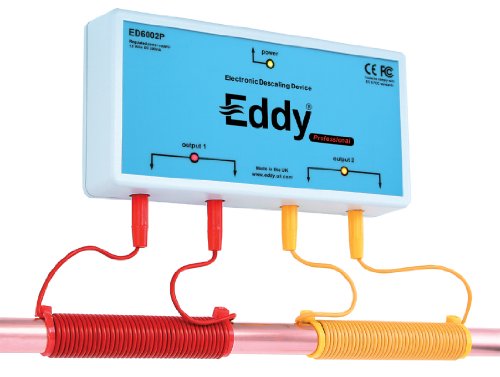
EDDY Inductive No Salt Water Softener Alternative | Electronic Water Descaler for Whole House | Reduces Limescale | Electromagnetic Water Conditioner
Check price on Amazon
Hydroponics DIY: Beginners Guide On How To Design And Build your Greenhouse Garden For Growing Plants In Water. NEW & IMPROVED! (Gardening Book 1)
Check price on Amazon
Beautiful
Check price on Amazon
Beautiful in the Style of Christina Aguilera
Check price on AmazonFrequently Asked Questions
What is considered normal water pressure in a home?
Most homes perform best at water pressure between 40 and 60 PSI. Pressure above 80 PSI can damage pipes and appliances, while anything below 40 PSI usually feels weak at fixtures. Test your pressure with a gauge at an outdoor hose bib for an accurate reading.
Why is my water pressure low in only one faucet?
Isolated low pressure almost always points to a local issue: a clogged aerator, a failing cartridge, or debris in that fixture's supply line. Start by cleaning or replacing the aerator, then check the cartridge and angle stop valve.
Do water pressure booster pumps really work?
Yes. A booster pump installed on the main supply line after the shutoff valve can raise household pressure when the municipal supply or well system delivers consistently low pressure. They are most effective when clogs, valve issues, and pipe restriction have already been ruled out.
Can a clogged water heater cause low water pressure?
Sediment buildup in a tank water heater can restrict hot water flow, making hot-side pressure feel weaker than cold. Flushing the tank annually often restores flow and extends appliance life.
Should I adjust the pressure-reducing valve myself?
A small adjustment to the PRV's set screw is within reach for many homeowners, but if the valve is old, unresponsive, or the pressure reading is unstable, have a licensed plumber inspect and replace it. Incorrect regulator settings can cause pipe stress or appliance damage.