How to Increase Water Pressure in Your Home
Discover proven methods to diagnose and fix low water pressure. From simple adjustments to professional-grade solutions, we cover everything you need to enjoy powerful, consistent water flow.
Jump to SolutionsLow Water Pressure? You're Not Alone.
Struggling with weak showers, slow-filling appliances, or dripping faucets? Low water pressure is one of the most common and frustrating plumbing issues homeowners face. The good news is that in many cases, you can fix it yourself without calling a plumber.
This comprehensive guide walks you through the most effective ways to increase water pressure in your home. We'll help you identify the root cause—whether it's a simple clogged aerator, a faulty pressure regulator, or the need for a professional plumbing solution. By the end, you'll know exactly what to do and which tools or products can restore strong, reliable water pressure throughout your house.
🔍 Before You Start: Quick Diagnosis Checklist
- Check all fixtures: Is the low pressure only in one faucet/shower, or everywhere? If it's isolated, the issue is likely local (clogged aerator, showerhead, or cartridge).
- Test with a pressure gauge: Attach a water pressure test gauge to an outdoor spigot or laundry connection. Normal pressure is 45–60 psi. Below 40 psi is considered low.
- Check the main shut-off valve: Is it fully open? A partially closed valve is a surprisingly common cause.
- Listen for leaks: A sudden drop in pressure may indicate a hidden leak. Check your water meter for unusual activity when all water is off.
- Know your supply type: Are you on city water or a well? Solutions differ significantly.
Step-by-Step Solutions to Increase Water Pressure
Start with the Simplest Fixes
Before investing in equipment, try these quick, no-cost remedies:
- Clean faucet aerators and showerheads: Mineral buildup restricts flow. Soak in vinegar overnight and scrub clean.
- Ensure the main valve is fully open: Locate your home's main water shut-off valve and turn it counterclockwise as far as it will go.
- Check for partially closed supply valves: Under sinks and behind toilets, make sure the small supply valves are fully open.
These fixes solve many low-pressure complaints in minutes.
Inspect and Adjust the Pressure Regulator
Most homes have a water pressure regulator (a bell-shaped device near the main shut-off valve). If it fails or is misadjusted, pressure drops.
- How to test: Use a pressure gauge on a hose bib. If pressure is below 40 psi, the regulator may need adjustment or replacement.
- Adjustment: Loosen the locknut and turn the adjustment screw clockwise to increase pressure (1/4 turn at a time). Monitor the gauge.
- When to replace: If adjustment doesn't help, the regulator's internal diaphragm may be worn. This is a plumbing job best left to a professional.
Install a Water Pressure Booster Pump
If your incoming water pressure is chronically low (especially in older homes or areas with low municipal pressure), a whole-house booster pump is the most effective solution.
- How it works: The pump increases the pressure of water entering your home, delivering consistent, powerful flow to all fixtures.
- Where to install: Typically on the main water line after the shut-off valve and before the first branch.
- Types: Single-speed (budget-friendly) or variable-speed (more efficient and quiet). Choose based on your household size and usage.
This is a major upgrade that can transform your home's water experience. Many homeowners combine this with a bathroom remodel to ensure great shower pressure.
For Well Systems: Check the Pressure Tank and Switch
If you're on a well, low pressure often points to the pressure tank or pressure switch.
- Pressure tank air charge: The tank should have 28–30 psi of air when empty (2 psi below the cut-in pressure). Use a tire pressure gauge to check the air valve on top.
- Pressure switch settings: The typical range is 30/50 psi (cut-in/cut-out). If the switch is faulty, it may cut out too early. Adjust or replace it.
- Sediment buildup: Sediment can clog the tank's inlet or the well pump itself. Regular plumbing maintenance is essential.
Address Clogged Pipes or Hard Water Scale
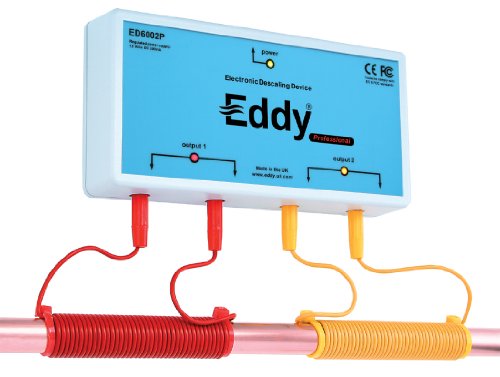
Over time, mineral scale (especially in hard water areas) can accumulate inside pipes, reducing the effective diameter and restricting flow.
- Is this your issue? If pressure drops gradually over years, scale buildup is a likely suspect.
- Solutions:
- Install a whole-house water softener to prevent future scaling.
- For severe blockages, a professional plumber can descale pipes or recommend repiping.
Top Tools & Equipment to Boost Water Pressure
These products are specifically designed to diagnose, adjust, and increase water pressure in your home.


🚰 When to Call a Professional
While many pressure issues are DIY-friendly, some situations require a licensed plumber:
- You suspect a hidden underground leak or broken main supply line.
- Your pressure regulator needs replacement—a tricky job involving soldering or threading.
- Well pump issues that go beyond the pressure switch (motor, wiring, or pump depth).
- You're planning a bathroom renovation or kitchen remodel and want to ensure new fixtures perform optimally.
- Water pressure is above 80 psi (dangerously high) and needs a regulator adjustment.
Use our directory to find a reliable plumbing contractor near you.