Average Cost of Kitchen Cabinets and Countertops: The Complete Pricing Guide
Understand what drives cabinet and countertop investments, compare material tiers, and plan your kitchen remodel with a clear, informed strategy.
Planning a kitchen remodel? Cabinets and countertops are the two most significant line items in any kitchen renovation budget. This guide breaks down the factors that influence cost, compares material tiers, and helps you make confident decisions before you shop.
Why Cabinets and Countertops Dominate Your Kitchen Budget
Kitchen cabinets and countertops typically account for the largest share of a kitchen remodel investment. Cabinets provide the structural backbone and storage capacity of your kitchen, while countertops define the workspace and visual character of the room. Together, they set the tone for both functionality and design.
Understanding how these two elements are priced — and what drives those costs — is essential for realistic budgeting. Whether you are planning a full kitchen renovation or simply replacing worn-out surfaces, knowing the pricing landscape helps you avoid surprises and make smarter choices. For a broader overview of kitchen renovation investments, see our guide on average cost for kitchen remodel per square foot.
What Drives the Cost of Kitchen Cabinets
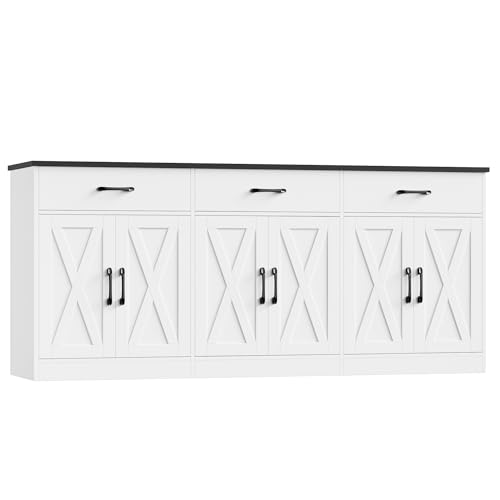
Cabinet pricing is influenced by material, construction method, style, size, and whether you choose stock, semi-custom, or custom options. Each tier offers different levels of quality, customization, and durability.
Cabinet Material Tiers
| Tier | Typical Materials | Characteristics |
|---|---|---|
| Entry-Level | Laminate, MDF, particleboard with veneer | Budget-friendly; suitable for rental properties or short-term updates; limited moisture resistance |
| Mid-Range | Plywood boxes, solid wood doors (maple, oak), quality hardware | Balanced durability and design flexibility; suitable for most family homes |
| Premium | Solid hardwood, soft-close hardware, custom finishes | Enhanced durability, refined finishes, and better resale value |
| Luxury | Custom millwork, exotic woods, integrated organizers, designer hardware | Fully bespoke; highest craftsmanship and exclusivity |
Stock vs. Semi-Custom vs. Custom Cabinets
Stock cabinets are pre-manufactured in standard sizes and are the most affordable option. They work well for straightforward layouts but offer limited customization. Semi-custom cabinets allow adjustments in size, finish, and configuration, making them a popular mid-range choice. Custom cabinets are built to exact specifications, offering the highest level of design freedom but requiring a premium investment.
If you are comparing cabinet replacement against a full remodel, our article on approximate cost of kitchen cabinets provides additional context on how cabinet-only projects compare to full renovations.
What Drives the Cost of Kitchen Countertops
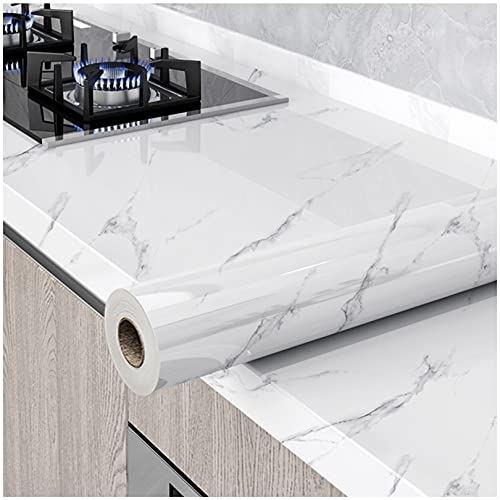
Countertop pricing depends on material type, thickness, edge profile, fabrication complexity, and installation requirements. Some materials require specialized fabrication and sealing, which adds to the overall investment.
Countertop Material Tiers
| Tier | Typical Materials | Characteristics |
|---|---|---|
| Entry-Level | Laminate, ceramic tile, butcher block | Affordable, easy to install, wide variety of colors; moderate durability |
| Mid-Range | Quartz (entry lines), solid surface, granite (lower grades) | Durable, low-maintenance, good design versatility; popular for family kitchens |
| Premium | Quartz (designer lines), high-grade granite, marble | Superior aesthetics, unique patterns, enhanced durability; requires sealing for natural stone |
| Luxury | Exotic stone, custom edge profiles, book-matched slabs | Statement surfaces; highest visual impact and exclusivity |
Fabrication and Installation Considerations
Natural stone and quartz countertops require professional fabrication, including precise cutting for sinks and cooktops, edge profiling, and installation. These labor costs vary by region and complexity. Laminate and butcher block countertops are more DIY-friendly and can reduce installation expenses. For a focused look at countertop replacement, see our guide on average cost of kitchen countertop replacement.
Combined Cabinet and Countertop Cost Scenarios
When planning a kitchen refresh, most homeowners replace cabinets and countertops together. The total investment depends on the size of your kitchen, the tiers you select, and whether you hire professionals or handle some work yourself.
Entry-Level Kitchen Refresh
An entry-level refresh might combine stock laminate cabinets with laminate or ceramic tile countertops. This approach is budget-friendly and suitable for rental units or short-term improvements. It offers basic functionality and a clean appearance but may not deliver long-term durability or premium aesthetics.
Mid-Range Family Kitchen
A mid-range kitchen might feature semi-custom plywood cabinets with solid wood doors paired with quartz or mid-grade granite countertops. This combination balances durability, design flexibility, and long-term value, making it the most common choice for family homes. For a detailed breakdown of this scenario, see our article on average cost of new kitchen cabinets and countertops.
Premium and Luxury Kitchens
Premium projects use custom hardwood cabinets with soft-close hardware and designer finishes, paired with high-grade quartz, marble, or exotic stone countertops. These kitchens emphasize craftsmanship, unique design details, and long-term durability. The investment is higher, but the result is a highly personalized and enduring space.
Budgeting Tips for Cabinets and Countertops
Smart planning can help you allocate your investment wisely without sacrificing quality where it matters most.
- Keep the existing layout — Moving plumbing or electrical lines increases costs significantly. Retaining your current layout allows you to focus spending on materials and finishes.
- Mix tiers strategically — Use premium materials for high-visibility areas and mid-range options for less visible storage or secondary surfaces.
- Choose stock or semi-custom cabinets — These options offer substantial savings over fully custom cabinetry while still delivering excellent quality.
- Consider countertop remnants — Fabricators often sell leftover stone pieces at reduced rates for smaller surfaces like islands or bathroom vanities.
- Plan for permits and labor — Factor in permits, delivery, and installation labor. These costs vary by region and project complexity.
- Get multiple quotes — Comparing estimates from at least three contractors or suppliers helps you identify fair market rates and avoid overpaying.
For a comprehensive look at cabinet and countertop pricing together, see our detailed article on average cost for kitchen cabinets and countertops. If you are deciding between replacing just the cabinets versus both elements, our guide on average cost for new cabinets and countertops provides useful comparisons.
Installation and Labor: What to Expect
Professional installation ensures that cabinets are level, secure, and properly aligned, and that countertops are accurately fitted and sealed. Cabinet installation typically involves removing old units, preparing the walls, assembling and mounting new cabinets, and installing hardware. Countertop installation requires precise measurement, fabrication, and sealing for natural stone materials.
DIY installation is possible for some stock cabinets and laminate countertops, but it requires careful planning and basic carpentry skills. For complex layouts, custom cabinetry, or natural stone surfaces, professional installation is strongly recommended to protect your investment and ensure safety. You can explore our average cost of new kitchen cabinets and countertops installed guide for a fuller picture of installed costs.
Do New Cabinets and Countertops Add Resale Value?
Kitchen remodels consistently rank among the home improvements with the strongest return on investment. Updated cabinets and countertops improve functionality, aesthetics, and buyer appeal. While the exact return varies by market and project scope, a well-executed kitchen update often recovers a significant portion of its cost at resale. To explore other value-adding projects, see our guide on best home improvements for return on investment.
When selecting materials, consider a balance between personal taste and broad appeal. Neutral colors, durable surfaces, and timeless cabinet styles tend to attract a wider range of buyers. For additional ideas on increasing home value, see best things to do to add value to your home.
Frequently Asked Questions
Ready to Explore Cabinet and Countertop Options?
Browse our recommended tools and products to find the right materials and accessories for your kitchen project.
View Recommended Products