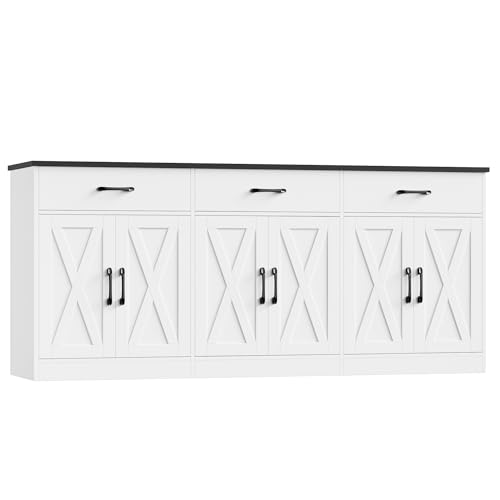
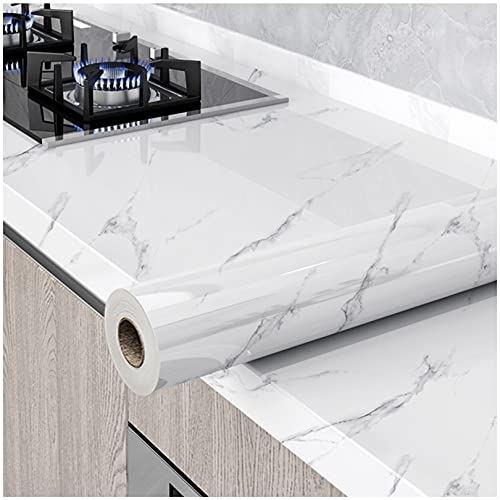
Average Cost for Kitchen Cabinets and Countertops: Complete Guide
Everything you need to know about budgeting for kitchen cabinets and countertops, from material options and quality tiers to installation factors and money-saving strategies.
Understanding Kitchen Cabinet and Countertop Costs
Kitchen cabinets and countertops are the two largest line items in most kitchen remodeling budgets, often accounting for nearly half of the total project cost. Whether you are planning a full gut renovation or a simple refresh, understanding how these components are priced will help you make informed decisions and avoid unpleasant surprises.
The cost of kitchen cabinets and countertops depends on several interconnected factors: material selection, cabinet construction quality (stock, semi-custom, or custom), countertop material type, kitchen size and layout complexity, regional labor rates, and whether any plumbing or electrical modifications are required. In this guide, we break down each factor using universal quality tiers—entry-level, mid-range, premium, and luxury—so you can compare options without relying on volatile pricing figures.
Key Insight: Cabinets and countertops typically represent 40–50% of a full kitchen remodel investment. Planning these two elements first helps you allocate the rest of your budget more effectively for appliances, flooring, lighting, and labor.
Cost Overview by Quality Tier
The following overview classifies kitchen cabinet and countertop options into four universal quality tiers. These descriptors reflect relative market positioning and help you compare products consistently, regardless of location or year.
Budget-Friendly Options
Stock cabinets with basic finishes and laminate or butcher block countertops. Best for rentals, starter homes, or quick refreshes with limited scope.
Balanced Value
Semi-custom cabinets with upgraded hardware and solid surface or mid-tier quartz countertops. The most popular choice for primary kitchen remodels.
High-End Features
Custom or high-end semi-custom cabinets with soft-close mechanisms and premium natural stone or designer quartz countertops. For homeowners seeking long-term durability.
Top-Tier Craftsmanship
Fully custom cabinetry with exotic wood species, hand-finished details, and luxury stone surfaces like marble or rare granite. For bespoke kitchen designs.
Kitchen Cabinet Cost Factors
Cabinet costs are driven by construction method, material, and customization level. Understanding these categories helps you choose the right balance between functionality, aesthetics, and longevity.
Cabinet Types and Their Positioning
| Cabinet Type | Quality Tier | Key Characteristics | Best For |
|---|---|---|---|
| Stock Cabinets | Entry-Level | Pre-manufactured in standard sizes, limited finishes, ready to assemble or install | Quick renovations, rental properties, tight timelines |
| Semi-Custom Cabinets | Mid-Range | Standard construction with adjustable dimensions, more finish and door style options | Most residential kitchen remodels, balance of value and customization |
| Custom Cabinets | Premium / Luxury | Built to exact specifications, any dimension, exotic materials, integrated features | Unique kitchen layouts, high-end homes, specialized storage needs |
| RTA (Ready-to-Assemble) | Entry-Level | Flat-packed for assembly on-site, lower material and labor cost | DIY installers, budget-conscious renovations |
Cabinet Material Impact
The material used for cabinet boxes and doors significantly influences both cost and durability. Entry-level cabinets often use particleboard or MDF with laminate or thermofoil finishes, while mid-range options typically feature plywood boxes and solid wood doors with painted or stained finishes. Premium and luxury cabinets use high-grade plywood, solid hardwood, and specialty finishes that withstand decades of use. The choice of door style—slab, shaker, raised panel—also affects the fabrication complexity and therefore the tier positioning.
Cabinet Hardware and Accessories
Hardware quality varies by tier. Entry-level cabinets may include basic hinges and knobs, while mid-range and premium cabinets often feature soft-close hinges, full-extension drawer glides, and designer pulls. These details add to the overall investment but significantly improve daily usability and long-term satisfaction.
Planning Tip: If your budget is limited, prioritize cabinet boxes and hardware quality over door style. Upgrading drawer organizers and soft-close mechanisms later is far easier and less expensive than replacing poorly constructed cabinets.
Countertop Cost Factors
Countertops are a major visual and functional element of any kitchen. Material choice is the primary cost driver, but edge profiles, cutouts, and installation complexity also affect the final investment.
Countertop Material Comparison
| Material | Quality Tier | Durability | Maintenance |
|---|---|---|---|
| Laminate | Entry-Level | Moderate — prone to scratches and heat damage | Low — wipe clean, avoid harsh chemicals |
| Butcher Block | Entry-Level | Moderate — requires sealing, can scratch | Medium — periodic oiling and sanding |
| Solid Surface | Mid-Range | Good — seamless, repairable surface | Low — non-porous, easy to clean |
| Quartz | Mid-Range / Premium | Excellent — non-porous, scratch-resistant | Low — no sealing required |
| Granite | Premium | Excellent — natural stone, heat-resistant | Medium — requires periodic sealing |
| Marble | Luxury | Good — elegant but softer, stains easily | High — sealing and careful use required |
| Premium Quartzite | Luxury | Excellent — harder than granite, unique veining | Medium — sealing recommended |
Edge Profiles and Cutouts
Countertop fabrication includes edge finishing and cutouts for sinks and cooktops. Simple edge profiles (eased, bullnose) are standard in entry-level and mid-range projects, while premium and luxury installations often use decorative edges like ogee, beveled, or waterfall edges that require more labor and skill. Sink cutouts, especially for undermount sinks, add to fabrication complexity and are more common in mid-range and premium projects.
Installation Considerations
Countertop installation is not a one-size-fits-all process. Natural stone and quartz require professional templating after cabinets are installed to ensure a precise fit. Fabrication typically takes one to two weeks, followed by a single installation day. Laminate and solid surface countertops may be fabricated in advance or on-site, reducing lead time. DIY installation is generally not recommended for stone surfaces, as improper handling can cause cracking and void warranties.
Planning Cabinets and Countertops Together
Because cabinets and countertops are installed in sequence—cabinets first, then templating and installing the countertop—it is essential to plan them as a unified system. Mismatched heights, incompatible materials, or overlooked clearances can derail an otherwise successful renovation.
Sequencing Your Project
- Design and Layout: Finalize cabinet layout, appliance placement, and countertop overhangs before ordering.
- Cabinet Installation: Install and level cabinets, ensuring they are plumb and secure.
- Template: For stone and quartz, a fabricator will template the installed cabinets for a precise countertop fit.
- Fabrication: Allow one to two weeks for cutting, polishing, and edge finishing.
- Countertop Installation: Typically completed in one day, followed by plumbing and electrical connections.
Budget Allocation Guidance
When planning your kitchen remodel, consider allocating approximately 25–30% of your total budget to cabinets and 10–15% to countertops. The remaining budget covers appliances, flooring, lighting, plumbing, electrical work, and labor. Adjust these percentages based on your priorities—for example, if you entertain frequently, you may choose to invest more in premium countertops and less in decorative cabinet details.
Smart Strategy: Spend on what you touch and see daily. Cabinet hardware, drawer glides, and countertop surfaces have the most direct impact on daily satisfaction. Decorative cabinet door details and backsplash tile can be upgraded later without disrupting the core installation.
Material-Specific Considerations
Cabinet Door Styles and Finishes
Door style and finish affect both cost and maintenance. Slab doors are the simplest and most affordable, aligning with entry-level and modern mid-range designs. Shaker doors—with their five-piece construction—are the most popular mid-range choice, offering a timeless look and moderate fabrication cost. Raised-panel and beadboard doors sit in the premium category, requiring more material and labor. High-gloss, hand-rubbed, and specialty glazed finishes push cabinets into the luxury tier.
Countertop Thickness and Edge Details
Standard countertop thickness is 2 cm or 3 cm, with 3 cm being more common in mid-range and premium projects for a substantial look. Luxury installations sometimes use mitered edges to create the appearance of a thicker slab without the weight. Waterfall edges—where the countertop material continues down the sides of the island or peninsula—are a hallmark of premium and luxury designs.
Under-Mount vs. Top-Mount Sinks
Undermount sinks are standard in mid-range and premium countertop projects because they require precise cutouts and polished edges, while top-mount sinks are more common in entry-level installations. This choice affects both the countertop fabrication tier and the overall visual cleanliness of the kitchen.
Cost-Saving Strategies Without Compromising Quality
Kitchen remodeling is a significant investment, but there are ways to manage costs while maintaining long-term value and satisfaction.
- Mix cabinet tiers: Use mid-range cabinets on prominent runs and entry-level or stock cabinets in less visible areas like pantries or secondary storage. This approach is common in thoughtful mid-range projects.
- Choose mid-range quartz over luxury stone: Quartz offers excellent durability and low maintenance, often at a mid-range tier, making it a smart choice for busy kitchens.
- Retain existing cabinet boxes: If your cabinet boxes are structurally sound, refacing doors and drawer fronts with new hardware can achieve a premium look at a mid-range investment.
- Select standard sizes and layouts: Stock and semi-custom cabinets in standard dimensions minimize customization costs while still delivering a polished result.
- Prioritize professional template and installation for countertops: DIY countertop installation is risky, especially for stone. A professional template ensures a precise fit and protects your investment.
- Plan plumbing and electrical early: Moving sinks or outlets after cabinets and countertops are installed adds significant cost and complexity. Finalize these decisions during the design phase.
✓ Smart Value Choices
- Mid-range quartz countertops for durability
- Semi-custom cabinets with soft-close hardware
- Standard layout with thoughtful storage inserts
- Mix of stock and semi-custom cabinets
✗ Budget Pitfalls to Avoid
- Choosing luxury stone without proper sealing knowledge
- Moving plumbing or gas lines late in the project
- Opting for entry-level cabinets in high-moisture areas
- Skipping professional countertop templating
Long-Term Value and Return on Investment
Kitchen remodels consistently rank among the home improvements with the highest return on investment. While the upfront cost of cabinets and countertops can be substantial, quality materials and professional installation contribute to durability, lower maintenance costs, and increased home resale value.
When evaluating cabinet and countertop options, consider the lifespan of each tier. Entry-level cabinets and laminate countertops may need replacement within 10–15 years, while mid-range semi-custom cabinets and quartz countertops can last 20–30 years with proper care. Premium and luxury installations can exceed 30 years, making them a worthwhile consideration for homeowners planning to stay in their homes long-term.
For homeowners considering the broader financial picture, exploring average cost of kitchen cabinets and countertops alongside home improvements with strong return on investment can provide valuable context for decision-making. Additionally, if your kitchen remodel is part of a larger renovation, understanding per-square-foot renovation costs helps you plan holistically.
Frequently Asked Questions
Key factors include material choice, cabinet style (stock, semi-custom, custom), countertop material, kitchen size, labor rates in your area, and whether you need additional work like plumbing or electrical modifications. The quality tier you select—entry-level, mid-range, premium, or luxury—has the most significant impact on overall cost.
Stock cabinets can be installed in 1–2 days, while custom cabinets may take several weeks for fabrication plus 2–3 days for installation. Countertop fabrication typically takes 1–2 weeks after templating, with installation taking 1 day. Always plan for a buffer of a few extra days for unforeseen adjustments.
While DIY installation is possible for stock cabinets, countertop installation—especially for stone and quartz—requires professional templating and fabrication. Improper installation can lead to costly damage, leaks, and voided warranties. For mid-range and premium projects, professional installation is strongly recommended.
Mid-range quartz is widely considered the best value for most homeowners. It offers excellent durability, low maintenance, and a wide range of styles that complement both entry-level and premium cabinets. It outperforms laminate and solid surface in longevity while being more forgiving than luxury natural stone.
Stock cabinets are suitable for straightforward layouts and budget-conscious projects, while semi-custom cabinets offer more flexibility in sizing, finishes, and storage options. For most primary kitchen remodels, semi-custom cabinets in the mid-range tier provide the best balance of customization and value.
Ready to Start Your Kitchen Remodel?
Explore our comprehensive guides on kitchen renovation planning, contractor selection, and material choices to make confident decisions for your project.
Explore Kitchen Remodel GuidesRelated Kitchen and Home Remodel Resources
For more detailed information on specific aspects of kitchen and home remodeling, explore these helpful guides:
- Approximate cost of kitchen cabinets — detailed breakdown of cabinet pricing factors by tier.
- Average cost of kitchen countertop replacement — focused guide on countertop-only projects.
- Average cost for kitchen remodel per square foot — how to estimate overall kitchen renovation scope.
- Cost for new kitchen cabinets and countertops — combined replacement guidance for both elements.
- Best kitchen remodelers near me — how to find and vet professional contractors for your project.
- Average cost of basement remodel with bathroom — for homeowners planning multi-room renovations.