Approximate Cost of Kitchen Cabinets: A Complete Buyer's Guide
Planning a kitchen remodel? Understand what drives cabinet pricing, compare cabinet tiers, and learn how to budget wisely before you buy.
Explore Cabinet TiersWhy cabinets matter most: Kitchen cabinets typically represent the single largest line item in a kitchen remodel budget—often consuming a substantial share of the total project. Understanding the approximate cost of kitchen cabinets before you shop helps you set realistic expectations, compare quotes fairly, and avoid costly surprises mid-project.
What Determines the Approximate Cost of Kitchen Cabinets?
Cabinet pricing is not random. It reflects a combination of materials, construction methods, customization level, and the labor required to install them. Before comparing quotes, it helps to understand the five major cost drivers:
1. Cabinet Construction Type
The three main construction categories—stock, semi-custom, and custom—differ in how much flexibility they offer and how they are manufactured. Stock cabinets come in standard sizes and finishes, making them the most budget-friendly choice. Semi-custom cabinets allow moderate size and finish adjustments and sit in the mid-range tier. Custom cabinets are built to exact specifications and occupy the premium to luxury tier.
2. Cabinet Box Material and Door Style
The material of the cabinet box (the frame and shelves) and the door style significantly affect durability and appearance. Common box materials include particleboard, MDF, and plywood. Door materials range from laminate and thermofoil to wood veneer and solid wood. Solid wood doors with raised panels typically fall into the premium tier, while slab laminate doors are more budget-friendly.
3. Kitchen Size and Layout
A larger kitchen with an island, pantry, and numerous drawers requires more cabinet units, which directly increases the total. Complex layouts—such as L-shaped, U-shaped, or galley configurations with corner cabinets and custom fillers—also add to the cost because they require more planning and specialized pieces.
4. Hardware, Finishes, and Accessories
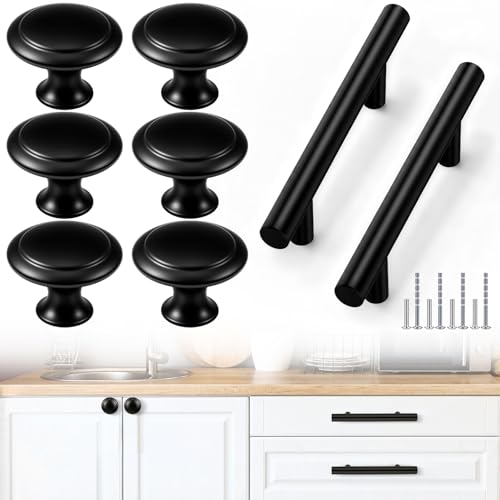
Soft-close hinges, drawer organizers, pull-out shelves, and decorative hardware all add to the bottom line. A simple knob-and-pull setup is affordable, while designer hardware and premium interior accessories push the project into higher tiers. Finish selection—painted, stained, or glazed—also affects labor and material costs.
5. Installation Method
Professional installation adds labor costs, but it ensures proper alignment, leveling, and secure mounting. DIY installation can reduce labor expenses, but it demands time, precision, and the right tools. If your layout is complex or you choose custom cabinetry, professional installation is usually the safer investment. You can learn more about hiring qualified professionals through our guide on finding the right contractor for remodeling projects.
Cabinet Tiers Compared: Entry-Level to Luxury
To compare cabinets without relying on fluctuating prices, it helps to think in terms of quality tiers. Below is a breakdown of the three main tiers and what you can expect from each:
Stock Cabinets
- Standard, pre-defined sizes
- Limited finish and door style options
- Particleboard or MDF boxes with laminate or thermofoil doors
- Basic hardware included
- Ready to assemble or pre-assembled
- Best for quick renovations and tight budgets
Semi-Custom Cabinets
- Modified standard sizes and configurations
- Broader selection of door styles and finishes
- Plywood or upgraded MDF boxes with wood veneer or painted doors
- Optional soft-close and organizer upgrades
- Better durability than stock options
- Balance between flexibility and value
Custom Cabinets
- Built to exact kitchen dimensions
- Unlimited door styles, finishes, and wood species
- Solid wood or premium plywood construction
- High-end hardware and integrated accessories
- Handcrafted details and specialty storage solutions
- Designed for long-term durability and unique aesthetics
Value tip: Semi-custom cabinets often deliver the best balance of aesthetics, durability, and flexibility for most homeowners. If your kitchen layout is standard and your design preferences are straightforward, stock cabinets can be a smart budget-friendly choice. For complex spaces or unique design visions, custom cabinets justify their premium positioning.
Cabinet Material Comparison by Tier
The table below compares common cabinet materials across quality tiers, without referencing specific prices:
| Material Type | Quality Tier | Durability | Maintenance | Best For |
|---|---|---|---|---|
| Laminate / Thermofoil | Entry-Level | Moderate | Low — wipe clean | Budget renovations, rentals |
| Wood Veneer (MDF core) | Mid-Range | Good | Moderate — avoid excess moisture | Modern and transitional kitchens |
| Plywood Box with Painted Doors | Mid to Premium | High | Low to moderate | Family kitchens, high-traffic areas |
| Solid Wood (Oak, Maple, Cherry) | Premium / Luxury | Very High | Moderate — periodic sealing | Traditional and custom kitchens |
| High-Gloss Acrylic / Lacquer | Premium / Luxury | High | Low — gentle cleaning | Contemporary, minimalist designs |
How to Plan Your Cabinet Budget
Budgeting for cabinets requires more than picking a tier. Here is a practical framework to keep your project on track:
Step 1: Measure and Map Your Kitchen
Count the linear feet of cabinetry you need—base cabinets, wall cabinets, and tall units. Include islands or peninsulas. Accurate measurements prevent over-ordering and help you compare quotes on equal terms.
Step 2: Decide on a Tier and Material
Choose your construction type and material based on your durability needs, aesthetic goals, and budget positioning. Remember that entry-level cabinets can look beautiful with the right finish and hardware, while premium cabinets deliver long-term performance.
Step 3: Account for Installation and Extras
Installation, hardware, countertops, and backsplash work are separate line items. Keep a contingency buffer for unexpected modifications or upgrades. For a broader understanding of kitchen project expenses, see our guide on average cost for kitchen remodel per square foot.
Step 4: Compare Quotes Carefully
When comparing contractor quotes, ensure each quote covers the same scope: cabinet brand, construction type, finish, hardware, delivery, and installation. A lower quote may exclude essential elements. Our article on new kitchen cabinets and countertops installed explains what a full-service quote should include.
Step 5: Consider Refacing or Refinishing
If your existing cabinet boxes are structurally sound, cabinet refacing or refinishing can be a budget-friendly alternative to full replacement. This approach updates the look of your kitchen while preserving the functional layout and reducing waste.
Practical Ways to Reduce Cabinet Costs
- Keep your existing layout: Moving plumbing or electrical for a new cabinet arrangement adds labor and material expenses. Retaining the current footprint is one of the most effective ways to stay in a lower tier.
- Choose stock or semi-custom cabinets: These tiers offer excellent value without the premium positioning of custom cabinetry.
- Select mid-tier materials: Plywood boxes with painted or veneer doors deliver strong durability without the premium of solid wood.
- Install cabinets yourself: If you have carpentry experience and the right tools, DIY installation can reduce labor costs. However, be realistic about the time and precision required.
- Mix open shelving with closed cabinets: Combining open shelves with fewer upper cabinets reduces the total cabinet count while adding visual interest.
- Prioritize hardware upgrades over cabinet upgrades: Quality hinges and pulls can elevate the feel of entry-level cabinets significantly.
For homeowners considering broader kitchen upgrades, our guide on kitchen cabinets and countertops provides additional context on how these elements work together in a remodel.
When Should You Hire a Professional for Cabinet Installation?
While DIY installation is possible, certain situations call for professional expertise:
- Your kitchen has uneven walls or floors that require shimming and leveling.
- You are installing custom or semi-custom cabinets with precise tolerances.
- You need electrical outlets or plumbing relocated behind cabinets.
- You want a warranty-backed installation for peace of mind.
- You are incorporating an island or peninsula with structural considerations.
Professional installers bring specialized tools, experience with cabinet alignment, and the ability to troubleshoot unexpected issues. If you are remodeling other areas of your home alongside your kitchen, our article on home improvements with the best return on investment can help you prioritize projects that add long-term value.
Ready to Compare Cabinet Options?
Explore our curated selection of kitchen cabinet hardware, organizers, and installation tools below. These products help you complete your cabinet project with confidence.
View Recommended ProductsFrequently Asked Questions
The main factors are cabinet construction type (stock, semi-custom, or custom), box and door materials, kitchen size and layout complexity, hardware and finish selections, and whether you choose professional installation or DIY. Understanding these variables helps you compare quotes fairly and set realistic expectations.
Yes. Stock cabinets are the most budget-friendly option because they are manufactured in standard sizes and finishes, which reduces production complexity. Semi-custom cabinets sit in the mid-range tier, while custom cabinets occupy the premium to luxury tier due to their bespoke construction and design flexibility.
You can reduce costs by choosing stock or semi-custom cabinets, selecting budget-friendly materials such as laminate or thermofoil, keeping your existing kitchen layout to avoid relocation expenses, refinishing or refacing existing cabinets, and handling installation yourself if you have the appropriate skills and tools.
Professional installation typically adds a meaningful percentage to the total project cost, reflecting the skill and tools required for proper alignment and secure mounting. DIY installation can save on labor, but it demands time, precision, and experience. Complex layouts or custom cabinetry usually justify professional installation for the best long-term result.
The lifespan of kitchen cabinets depends on material quality, construction, and maintenance. Entry-level cabinets may last a decade or more with care, while mid-range and premium cabinets often last significantly longer. Solid wood and high-quality plywood cabinets, when properly maintained, can remain functional and attractive for decades.
If your cabinet boxes are structurally sound and your layout works well, refacing or refinishing is a budget-friendly alternative that refreshes the look of your kitchen. Replace cabinets when the boxes are damaged, the layout no longer suits your needs, or you want to upgrade to a higher-quality tier with improved storage features.
Continue exploring: If you are planning a broader kitchen renovation, you may find these related guides helpful: new kitchen cabinets and countertops, cost for new kitchen cabinets and countertops, average cost for kitchen cabinets and countertops, and kitchen countertop replacement.