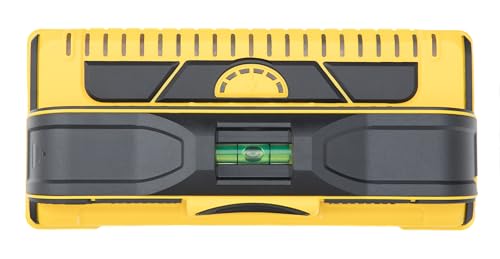
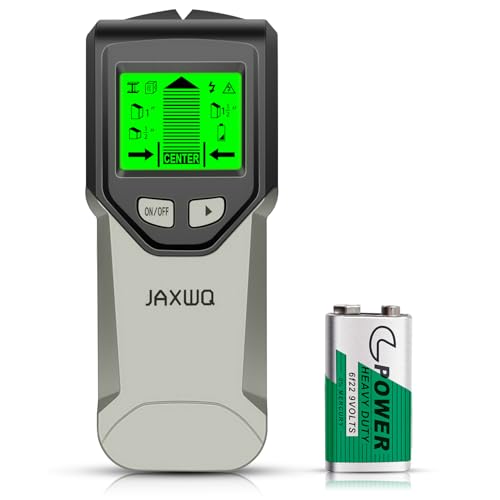
Stud Finders: How to Choose the Best Wall Scanner
Learn everything you need to know about stud finders – from basic magnetic models to advanced electronic wall scanners. Discover features, prices, and expert tips to make the right choice.
A stud finder is one of the most essential tools for any DIY enthusiast or professional contractor. Whether you're hanging shelves, mounting a TV, installing cabinets, or securing heavy mirrors, finding a stud – the vertical wooden or metal framing behind your drywall – is crucial for a secure and safe installation. Driving a screw into drywall alone won't hold much weight, and hitting a stud ensures your fixture stays firmly in place for years.
In this comprehensive guide, we'll walk you through the different types of stud finders, key features to look for, how to use them correctly, and what you can expect to spend. By the end, you'll be confident in choosing the best stud finder for your specific needs and budget.
Why You Need a Stud Finder
Safety & Stability: Mounting heavy items like TVs, cabinets, or shelves directly into studs prevents accidents and damage.
Precision: Modern stud finders help you avoid electrical wires, pipes, and other hidden hazards behind walls.
Efficiency: Save time by quickly locating the exact center of a stud, making your project faster and easier.
Versatility: Many stud finders also detect metal, live AC wires, and even deep-seated joists for flooring and ceiling projects.
1. Types of Stud Finders
Stud finders generally fall into three main categories. Each has its strengths, and the right choice depends on your specific projects and budget.
Magnetic Stud Finders
The simplest and most affordable type. These use a powerful magnet to detect the metal screws or nails used to attach drywall to wooden studs.
- Pros: Affordable (under $15), no batteries required, reliable for locating metal fasteners
- Cons: Doesn't detect stud center directly, less useful for metal studs
- Best for: Simple DIY tasks and budget-conscious users
Electronic Stud Finders
These are the most common type for home use. They use sensors to detect density changes in the wall, accurately locating stud edges and centers.
- Pros: Accurate, detects center of studs, some models detect wiring and pipe
- Cons: Requires batteries, false readings possible on uneven walls
- Best for: Most home improvement projects and general DIY use
Scanner / Deep Detection
Advanced units that use radar or multi-sensor technology to see deeper into walls, scanning up to 2-3 inches below the surface.
- Pros: Detects metal, live wires, and pipes; deep scanning capability
- Cons: More expensive ($50-$200+), requires careful calibration
- Best for: Professional contractors and complex renovations
2. Key Features to Consider
When shopping for a stud finder, pay attention to these critical features to ensure you get the right tool for your needs:
Detection Depth
Check the maximum depth the device can scan. Most electronic models detect up to 3/4 inch to 1.5 inches of drywall. Premium models can scan up to 2+ inches for thicker walls.
Multiple Detection Modes
Look for a stud finder with multiple modes: stud scan, metal scan, and AC wire detection. This flexibility helps you avoid hazardous areas and find what you need quickly.
Display & Alerts
Clear LCD screens, LED indicators, and audible beeps make it easier to interpret results. Some models even show the center of the stud with a target line.
Calibration
One-touch automatic calibration simplifies use and reduces user error. Some advanced models also offer manual calibration for specialized surfaces.
Battery Life
Electronic models typically use 9V batteries or AAA batteries. Consider models with long battery life and easy access to replace them.
Durability
If you're a frequent user, opt for models with robust construction, rubber grips, and a durable casing that can withstand drops and rough handling.
3. Stud Finder Prices
Stud finders are available at various price points to suit different budgets and requirements:
Price Range Comparison
Basic Magnetic Models: $8–$20 – Simple, reliable, no batteries needed.
Entry-Level Electronic: $20–$40 – Basic wall scanning, suitable for occasional DIY use.
Mid-Range Electronic: $40–$80 – Multi-mode detection (stud, metal, AC wire), LCD display, and greater accuracy.
Professional Scanners: $80–$200+ – Deep detection, radar technology, and advanced features for contractors and extensive renovations.
For most homeowners and DIY enthusiasts, a mid-range electronic stud finder offers the best balance of features, accuracy, and value. If you're working with metal studs or need to detect wiring, investing in a scanner with those capabilities is strongly recommended.
4. How to Use a Stud Finder Correctly
Even the best stud finder can give inaccurate results if not used properly. Follow these steps for reliable detection:
Step-by-Step Guide
- Calibrate the Device: Place the stud finder flat against the wall and press the calibration button. Wait for the device to calibrate before scanning.
- Scan Slowly: Move the stud finder horizontally across the wall at a steady, moderate pace. Avoid lifting or tilting it.
- Mark the First Edge: When the device signals a stud, mark the wall at that point. Continue scanning to find the other edge.
- Find the Center: The center of the stud is midway between the two edges. Mark it clearly for drilling or mounting.
- Double-Check: For maximum accuracy, repeat the process a few inches above or below the initial scan to confirm the stud's location.
- Avoid Hazards: Use AC wire detection mode to avoid live electrical wires and plumbing pipes within the wall.
If you encounter inconsistent readings, check the wall surface – thick wallpaper, textured paint, or metal mesh in plaster walls can interfere with scanning. In such cases, consider using a magnetic stud finder in combination with an electronic one for confirmation.
5. Common Projects Using Stud Finders
A stud finder is indispensable for a wide variety of home improvement and home renovation projects, including:
- Wall-Mounting TVs: Securely attach heavy flat-screen TVs to studs.
- Hanging Shelves & Cabinets: Ensure bookshelves and kitchen cabinets are anchored safely.
- Installing Mirrors & Artwork: Heavy frames and mirrors need strong support.
- Mounting Towel Bars & Grab Bars: Essential for bathrooms to ensure safety and durability.
- Garage Storage Systems: Mount heavy shelving units and racks securely.
- Window & Door Framing: Locate framing for installing new windows or doors.
- Ceiling Projects: Detect ceiling joists for installing light fixtures, ceiling fans, or hanging plants.
For more complex renovations or if you're unsure about the structural elements in your home, consult a professional home remodeling contractor or general contractor.
6. Maintenance & Care Tips
With proper care, your stud finder will last for years. Follow these simple tips:
- Clean the Sensor Area: Wipe the sensor window with a soft, dry cloth after each use to remove dust and debris.
- Remove Batteries: If storing for long periods, remove the batteries to prevent corrosion.
- Store in a Dry Place: Protect the device from moisture and extreme temperatures.
- Replace Batteries Promptly: Weak batteries can cause inaccurate readings.
- Check Calibration: Periodically test your stud finder on a known stud to ensure it's still accurate.
7. Frequently Asked Questions
What is the most accurate type of stud finder?
Electronic stud finders with multiple sensors and deep detection capabilities are generally the most accurate for typical drywall walls. For plaster or lath walls, magnetic stud finders can be more reliable because they detect the metal lath directly.
Can a stud finder detect pipes and electrical wires?
Yes, many mid-range and premium electronic stud finders feature AC wire detection and metal scanning modes. They can alert you to live electrical wires and metal pipes, helping you avoid dangerous spots during drilling.
Why does my stud finder beep even when there's no stud?
False readings can occur due to electrical wiring, metal mesh, thick wallpaper, or uneven wall surfaces. Try moving the device to a different area, checking the wall condition, or re-calibrating the tool.
Can I use a stud finder on tile or concrete walls?
Standard stud finders work best on drywall or plaster. For tile, concrete, or brick walls, you'll need a specialized scanner with deep-penetration radar or a concrete scanning device.
Do I need a stud finder for every wall-mounting project?
Yes, for any project where you need to secure heavy items or want to ensure safety. Even for lighter items, finding a stud provides much better holding power than using drywall anchors alone.
How much should I spend on a stud finder?
For occasional DIY use, a $20-$40 electronic stud finder is usually sufficient. For frequent use or complex projects, consider investing in a mid-range model ($40-$80) with multiple detection modes and a clear display.
Ready to Choose Your Stud Finder?
With the knowledge from this guide, you're now equipped to select the perfect stud finder for your projects. Whether you're a weekend warrior or a seasoned professional, the right tool makes all the difference in achieving secure, safe, and professional results.
Browse our recommended products below to find top-rated stud finders and start your next project with confidence. For more tool advice, check out our guides on table saws, metalworking, and kitchen countertops.