Table Saws: The Ultimate Guide for Woodworkers
Everything you need to know about table saws — types, features, safety, and how to choose the perfect model for your workshop.
A table saw is the heart of any woodworking shop. Whether you're a hobbyist or a professional, this versatile tool delivers precision ripping, crosscutting, and joinery. This guide covers the different table saw types, key features, safety essentials, and tips to help you make an informed purchase.
Types of Table Saws
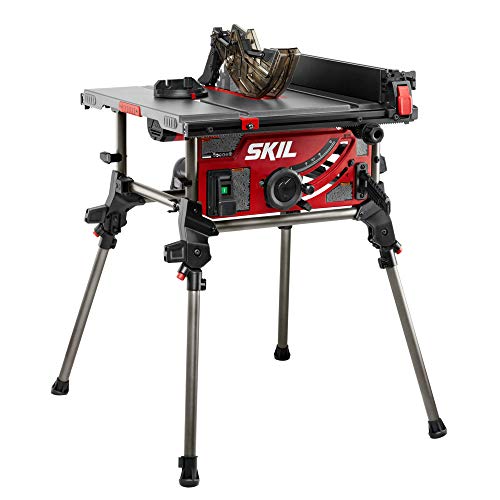
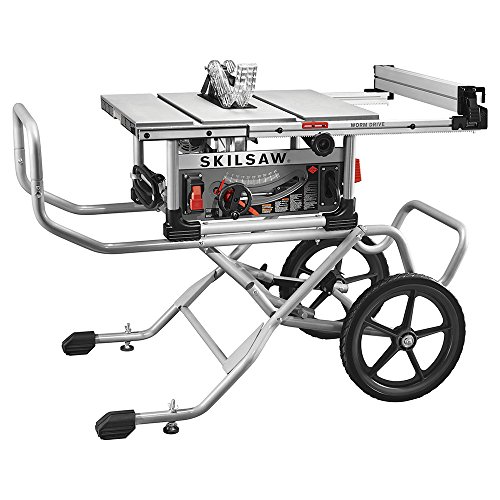
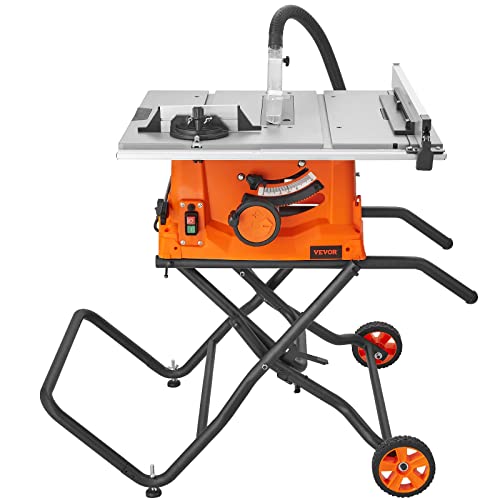
- Benchtop Table Saws — Lightweight, portable, ideal for job sites and small workshops. Typically cost $300–$700.
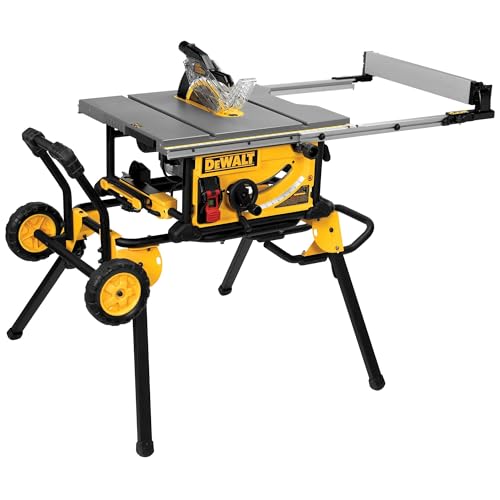
- Contractor Table Saws — Stand-mounted, more powerful, great for serious hobbyists. Price range: $700–$1,500.
- Cabinet Table Saws — Heavy-duty, precision-engineered for professional shops. Expect to pay $2,000–$5,000+.
- Hybrid Table Saws — Combine features of contractor and cabinet saws. Mid-range pricing: $1,200–$2,500.
Key Features to Consider
- Motor Power: 1.5–3 HP (horsepower) for most tasks. Higher HP handles hardwoods and thick stock.
- Table Size & Fence: A larger table and a reliable fence system improve accuracy and safety.
- Riving Knife & Blade Guard: Essential safety features that prevent kickback.
- Dust Collection: Built-in ports keep your workspace clean.
- Arbor Size: Standard 5/8" arbor fits most blades; some saws offer 1" for heavy-duty blades.
Table Saw Safety Tips
- Always use the riving knife and blade guard.
- Use push sticks or push blocks for narrow cuts.
- Keep the blade sharp and properly aligned.
- Never reach over the blade while it's spinning.
- Wear safety glasses and hearing protection.
Top Table Saw Brands & Price Ranges
- DEWALT — Benchtop & contractor saws: $400–$1,200
- Bosch — Portable & hybrid saws: $500–$1,800
- SawStop — Premium cabinet saws with flesh-sensing safety: $2,800–$5,000+
- Grizzly — Cabinet & hybrid saws: $1,000–$3,500
- Jet — Contractor & cabinet saws: $900–$3,000
*Prices are approximate and may vary by retailer and features.
How to Choose the Right Table Saw
- Space: Benchtop saws are best for small shops; cabinet saws need a dedicated space.
- Budget: Entry-level saws start around $300; professional models can exceed $3,000.
- Intended Use: Hobbyists can choose contractor or hybrid saws; pros should invest in cabinet saws.
- Safety Features: Consider SawStop's flesh-sensing technology for maximum protection.
- Accessories: Look for models with a good miter gauge, dado capability, and extension tables.
Table Saw Maintenance & Care
- Clean the blade and table after each use to prevent rust and pitch buildup.
- Check alignment of the blade, fence, and miter slots regularly.
- Lubricate moving parts (trunnions, gears) per manufacturer's recommendations.
- Inspect power cord and switch for wear.
Frequently Asked Questions
What size table saw do I need?
For most home workshops, a 10-inch blade saw is the standard. It handles most ripping and crosscutting tasks. For heavy-duty work, consider a 12-inch or larger model.
Can I use a table saw for dado cuts?
Yes, most table saws accept dado blade sets. Ensure your saw's arbor length and motor power can handle dado stacks.
Is SawStop worth the extra cost?
SawStop's flesh-sensing technology can prevent serious injuries, making it a top choice for safety-conscious woodworkers. It's a significant investment but offers peace of mind.
Ready to Buy a Table Saw?
Shop top-rated table saws from leading brands and find the perfect tool for your workshop.
Shop Table Saws Now