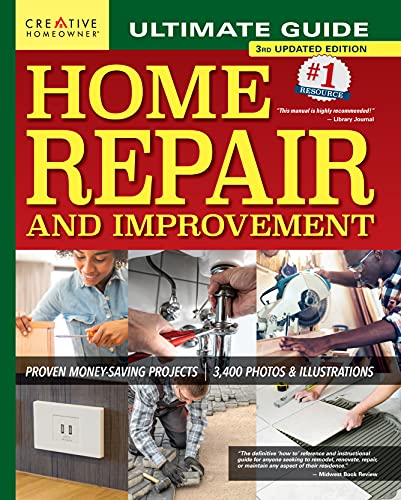
Plumbing Handyman: Your Complete DIY Guide to Home Plumbing Repairs
Master the most common plumbing fixes with confidence. From leaky faucets and running toilets to clogged drains and pipe maintenance, this guide gives you the knowledge, tools, and step-by-step strategies to handle household plumbing like a skilled handyman.
Explore Common RepairsWhy a Plumbing Handyman Matters: Most household plumbing problems don't require a full professional service call. With the right approach, a capable homeowner can resolve drips, clogs, and worn fixtures safely and effectively. This guide is built for research-stage homeowners who already know what needs fixing and want clear, trustworthy guidance before committing to tools or professional help. You'll learn what each repair involves, which tier of tools and parts makes sense, and when a licensed plumber is genuinely necessary.
Understanding Your Home Plumbing System
A basic understanding of how water enters, circulates, and exits your home is the foundation of every successful DIY plumbing repair. Your system has two primary subsystems: the supply system, which delivers pressurized water from the main line to fixtures, and the drain-waste-vent (DWV) system, which carries wastewater away while maintaining proper pressure balance. Most handyman-level repairs involve fixtures — faucets, toilets, showers, and the connections immediately behind them — rather than the main lines themselves.
Knowing where your main shut-off valve is located is the single most important safety step before any plumbing work. Test it periodically so you're not discovering a seized valve during an emergency. For larger renovation projects that involve relocating fixtures or upgrading supply lines, it's worth reviewing how professional bathroom renovation contractors approach the work, and comparing that against what a plumbing handyman can realistically handle on a smaller scope.
Common Plumbing Repairs Every Handyman Should Know
The repairs below represent the majority of residential plumbing calls. Each can be tackled by a prepared homeowner, though the complexity and required tool tier vary. Use the cards to identify your repair type, then match it to the appropriate tool and parts tier.
Fixing a Leaky Faucet
Usually a worn cartridge, O-ring, or seat. Shut off the supply, disassemble the handle, and replace the internal component. Essential-tier cartridge pullers and adjustable wrenches cover most compression and ball-type faucets.
Unclogging Drains
A plunger and drain snake resolve most sink and tub clogs. Avoid chemical drain cleaners on older pipes. Mid-tier augers reach deeper blockages in traps and short runs.
Repairing a Running Toilet
Flapper, fill valve, or float issues. A complete rebuild kit is the reliable path. Mid-tier kits include reinforced flappers and adjustable fill valves that outlast entry-level components.
Replacing a Showerhead or Faucet
Threaded connections with Teflon tape or thread sealant. Mid-range fixtures offer smoother valve mechanisms and better finishes than entry-level models.
Sealing Pipe Leaks
Compression fittings, pipe clamps, and epoxy putty handle minor weeping joints. For persistent leaks near a tub or shower, review bathroom tub renovation considerations before deciding between repair and replacement.
Replacing a Water Heater Element
Requires electrical shutoff, draining, and element removal. High-end-tier socket sets and testing equipment are appropriate. Consider professional-grade tools for safety on 240V units.
Plumbing Handyman Tools: Choosing the Right Tier
The right tool tier makes every plumbing repair safer and faster. Rather than chasing the lowest entry point, match the tool to how often you'll use it and the complexity of the job. A homeowner who fixes one faucet may be well served by an essential tier wrench set, while someone maintaining an older home with mixed fixtures benefits from mid-range or professional-grade tools.
- Essential tier: Adjustable wrench, basin wrench, plunger, drain snake, Teflon tape, and a basic screwdriver set. Covers faucet repairs and minor clogs.
- Mid-tier: Pipe wrench set, tubing cutter, compression fitting kit, and a hand auger. Handles toilet rebuilds and short drain runs.
- High-end tier: PEX crimping tool, torch kit for soldering, and a multimeter for testing water heater circuits. Appropriate for repiping small sections or replacing a water heater element.
- Professional-grade: Powered drain auger and inspection camera. Worthwhile for recurring main-line clogs or older cast-iron drains.
| Tool Category | Tier | Best For | Notes |
|---|---|---|---|
| Adjustable & Basin Wrench | Essential | Faucet cartridges, supply lines | Basin wrench reaches under-sink nuts without removing the faucet body |
| Pipe Wrench Set | Mid-tier | Threaded pipe joints, toilet supply | Reinforced jaws grip better on older galvanized pipe |
| Drain Auger (Hand) | Mid-tier | Traps and short drain runs | Manual augers are safer than powered units for beginners |
| PEX Crimping Tool | High-end tier | Repiping small sections | Professional-grade crimpers produce more consistent connections |
When to Call a Professional Instead of DIY
A plumbing handyman can resolve fixture-level problems, but some situations demand a licensed professional. Gas line work, main sewer line issues, slab leaks, and any repair involving opening walls should be handled by qualified trades. If your project expands into a full fixture upgrade or layout change, reviewing bathroom renovation contractors or local handyman services will help you scope the work accurately and avoid costly rework.
For renovation-adjacent projects — such as updating a kitchen or bathroom — understanding broader project scopes is useful. For example, how much does it cost to redo a bathroom provides context on when a simple handyman repair is the right call versus a full remodel. Similarly, if water damage has spread to cabinets or walls, a contractor for home repairs may be the more efficient path.
Ready to Tackle Your Plumbing Repair?
Browse our curated selection of plumbing handyman tools and parts below. Every recommendation is tier-based so you can choose the right level of durability and performance for your project.
View Recommended ToolsPreventive Plumbing Maintenance Tips
Regular maintenance prevents most emergency repairs. A few minutes each season can extend the life of fixtures and catch problems before they escalate into water damage.
- Test your main shut-off valve every few months to confirm it turns freely.
- Run hot water and a drain strainer to keep kitchen traps clear of grease buildup.
- Inspect under-sink cabinets for moisture and corrosion once per season.
- Check toilet flappers for warping and replace at the first sign of a running tank.
- Insulate exposed supply pipes in unheated spaces to prevent winter freezing.
- Flush the water heater annually to reduce sediment buildup.
If preventive work reveals a larger issue — such as failing supply lines during a renovation — planning the scope alongside home renovation contractors or reviewing handyman and remodeling services will keep your project on track. For homes with aging infrastructure, understanding home improvements that increase property value can help you prioritize which plumbing upgrades deliver the most long-term benefit.
Frequently Asked Questions About Plumbing Handyman Work
What plumbing repairs can a handyman legally do?
Scope varies by jurisdiction, but generally handymen can handle fixture-level work: replacing faucets, toilets, showerheads, and minor drain clearing. Work inside walls, main line repairs, gas lines, and water heater installation usually require a licensed plumber. Always verify local requirements before starting.
Do I need specialty tools for a leaky faucet repair?
An essential-tier adjustable wrench and a basin wrench cover most faucet cartridge and O-ring replacements. Mid-tier cartridge pullers make the job faster on stubborn fixtures. Specialty tools become worthwhile if you maintain multiple faucets across the home.
How do I know if a clog needs a professional auger?
If a hand snake and plunger fail repeatedly, or if multiple drains back up simultaneously, the blockage is likely in the main line. A professional-grade powered auger and camera inspection are appropriate at that point, and calling a licensed plumber is the safer choice.
Can I replace a toilet myself?
Yes, replacing a toilet is a common homeowner project. It requires a wax ring, flange bolts, and a supply line — all mid-tier consumables. The main risks are water damage from a poor seal and improper flange alignment. Budget two to three hours and have a helper for lifting.
When should I stop DIY and call a plumber?
Stop immediately if you encounter gas odors, water you cannot shut off, sewage backup, or leaks inside a wall or slab. These situations involve health, safety, or structural risk that exceeds handyman-level repair and should be handled by licensed professionals.