
Kitchen Cupboard Renovations: Refresh Your Kitchen Without a Full Remodel
Discover how to transform tired cabinets into a stunning focal point using refacing, repainting, and strategic replacement. Expert guidance for every budget tier and skill level.
EXPLORE RENOVATION TOOLSWhy Cupboard Renovation Matters: Kitchen cupboards occupy the largest visual area in your kitchen and take the most abuse from daily use. Renovating them is the single most impactful upgrade you can make — often delivering a dramatic transformation at a fraction of the disruption of a full kitchen remodel.
Understanding Your Kitchen Cupboard Renovation Options
Before choosing a path, it helps to understand that "kitchen cupboard renovations" is an umbrella term covering several distinct strategies. Each approach differs in labor intensity, upfront investment, durability, and visual outcome. The right choice depends on the condition of your existing cabinet boxes, your timeline, and how long you intend to stay in the home.
Most homeowners fall into one of three categories: those whose cabinet boxes are solid but whose doors and fronts look dated; those whose boxes are still serviceable but whose layout no longer works; and those whose cabinetry is genuinely failing. Each scenario calls for a different renovation strategy.
Quick Decision Guide
- Boxes solid, fronts dated? Refacing or repainting delivers the best return.
- Boxes failing or layout wrong? Replacement is the sensible path.
- Want minimal disruption? Refacing keeps your kitchen functional during the project.
- Budget-conscious? Painting is the most affordable entry point.
Refacing: The Middle Path That Delivers Big Results
Refacing is the art of keeping your existing cabinet boxes while replacing the visible surfaces — the doors, drawer fronts, and veneer on the box faces. It is the sweet spot for many homeowners because it delivers a near-new look without the cost and upheaval of a full replacement.
What Refacing Involves
A professional refacing project typically includes removing all doors and drawer fronts, applying a real wood veneer or rigid thermofoil to the visible box faces, installing new doors and drawer fronts, and adding new hardware. The process usually takes two to four days for a typical kitchen, and your kitchen remains usable throughout.
Refacing is offered by specialists, often the same professionals who handle kitchen cabinet refacing and cabinet refacing contracting. If you are considering this route, our guide to kitchen cabinet refacing walks through the full process in detail.
When Refacing Makes Sense
- Your cabinet boxes are structurally sound, square, and level.
- The existing layout works for your daily routine.
- You want a significant visual upgrade without replacing the entire system.
- You prefer to keep your kitchen functional during the renovation.
- You are working with a mid-range or premium budget tier and want durable materials.
Materials and Tiers
Refacing materials span the full quality spectrum. Entry-level options typically use rigid thermofoil (RTF), which is durable and easy to clean but can peel at edges over time. Mid-range options favor real wood veneers and painted MDF doors. Premium refacing uses solid wood doors and high-grade veneers with factory-applied finishes that resist wear exceptionally well.
| Material | Quality Tier | Durability | Best For |
|---|---|---|---|
| Rigid Thermofoil (RTF) | Entry-Level | Moderate | Clean, modern looks; low-moisture kitchens |
| Real Wood Veneer | Mid-Range | High | Warm, natural aesthetics; traditional homes |
| Painted MDF | Mid-Range | Good | Custom color matching; shaker-style profiles |
| Solid Wood Doors | Premium | Excellent | Long-term durability; high-end kitchens |
| Factory-Finished Veneer | Premium | Excellent | Consistent finish; low maintenance |
If you are comparing refacing against a full refit, our overview of cabinet and countertop replacement helps clarify how the two approaches diverge in scope and long-term value. Homeowners exploring kitchen cupboard renovations often find that refacing delivers the best balance of visual impact and practicality.
Repainting: The Most Accessible Renovation
Painting your existing cupboards is the most budget-friendly renovation path and the most DIY-friendly. It requires no structural changes and can be completed over a weekend or two with careful preparation. The key to a durable, professional-looking paint job lies almost entirely in the preparation.
The Preparation Is the Project
Cabinet surfaces are notoriously difficult to paint because they are designed to resist moisture and grease. Skipping or rushing the prep phase is the single most common reason painted cabinets fail. A proper job involves degreasing every surface, sanding to create a mechanical bond, applying a bonding primer, and then using a high-quality cabinet-grade paint.
The right tools make an enormous difference. A quality paint sprayer produces a factory-smooth finish that brushes and rollers cannot match. For detailed work around frames and edges, invest in good paint brushes, and consult our painting tools guide to assemble everything you need before you start.
Which Paint to Choose
- Entry-level: Standard interior latex — acceptable for low-traffic kitchens but prone to chipping on high-use doors.
- Mid-range: Waterborne alkyd or acrylic-urethane blends — excellent adhesion and hardness for most households.
- Premium: Two-component catalyzed lacquers or factory-style conversion varnishes — the closest thing to a factory finish available to serious DIYers.
If your renovation extends beyond cupboards into wall finishes and trim, our guides to interior painting and molding and trim will help you coordinate the whole room. For larger kitchen transformations, explore kitchen makeovers and kitchen makeover design for inspiration on tying the whole space together.
Replacement: When Starting Fresh Is the Right Call
Replacement becomes the sensible choice when cabinet boxes are water-damaged, out of square, or when the layout itself no longer serves your household. It is also the right path when you want to change the fundamental configuration of the kitchen — moving the sink, adding an island, or opening up the wall to an adjacent room.
Signs Your Cabinets Need Replacement
- Boxes are soft, swollen, or delaminating from moisture damage.
- Doors and drawers no longer close properly despite hardware adjustments.
- The layout creates constant frustration — poor workflow, insufficient storage, or awkward corners.
- You want to reconfigure the kitchen's footprint entirely.
- Pest damage or mold has compromised structural integrity.
Replacement projects are naturally larger in scope and connect to broader renovation work. Our guides to kitchen home renovations and new kitchen design cover layout planning, while interior remodeling provides a bigger-picture view. For a full redesign, look at kitchen redesign and kitchen remodel design. If you are exploring the services side, kitchen and bathroom remodelers and remodeling companies near you are useful starting points.
Because replacement is a substantial project, it pays to understand scope before committing. Guides such as how kitchen remodeling is scoped and cabinet replacement cost help you plan realistically — not by quoting figures, but by explaining what drives the scope of a project up or down.
A Systematic Renovation Workflow
Regardless of which path you choose, a disciplined workflow keeps the project on track. Here is a proven sequence that works for painting, refacing, and replacement alike.
- Assess the existing cabinets. Open and close every door and drawer. Check for soft spots, water stains, and out-of-square boxes. This single assessment determines your entire strategy.
- Define the visual goal. Gather reference images. Decide on door style (shaker, flat panel, raised panel), color direction, and hardware finish before spending anything.
- Set your tier and budget envelope. Commit to entry-level, mid-range, or premium materials and stick to it. Mixing tiers across the project creates visual inconsistency.
- Plan the sequence around your kitchen's function. Painting and refacing allow you to keep using the kitchen. Replacement requires a temporary kitchen setup — plan for it.
- Order everything before you begin. Doors, veneer, hardware, primer, paint, and tools should all be on site before demolition or prep starts. Mid-project supply runs are the most common cause of stalled renovations.
- Remove and label. Every door and drawer front should be labeled by location. This step saves hours during reassembly and prevents misalignment.
- Complete surface preparation thoroughly. Degrease, sand, and prime with patience. This is where quality is won or lost.
- Apply the finish in controlled conditions. Dust, humidity, and temperature all affect paint and veneer adhesion. Work in a clean, stable environment.
- Upgrade hardware. New hinges and pulls transform the feel of a renovation instantly. Soft-close hinges are a mid-range upgrade with outsized impact.
- Reassemble and adjust. Align doors, adjust hinges, and test every drawer. Small alignment tweaks make the difference between "renovated" and "professionally finished."
Hardware and Finishing Touches That Elevate the Result
Hardware is the jewelry of a kitchen. It is also the least expensive way to signal quality. Upgrading from basic builder-grade hinges to soft-close concealed hinges and pairing them with well-chosen pulls is a mid-range investment that reads as premium.
Consider these hardware and finishing upgrades as part of your renovation plan:
- Soft-close hinges and drawer slides — eliminate slamming and extend the life of doors.
- Coordinated pulls and knobs — match finish (brushed nickel, matte black, brass) to your chosen color palette.
- Under-cabinet lighting — dramatically improves the perceived quality of any cabinet finish.
- Drawer organizers and dividers — functional upgrades that make the renovation feel complete.
For broader inspiration on modernizing your kitchen's overall character, our kitchen remodel planning guide and local redesign resources offer additional context. If your renovation is part of a larger home improvement push, our professional home improvements overview helps you prioritize projects.
Common Renovation Mistakes to Avoid
- Painting over grease. Any residual cooking grease will cause paint to fail. Degrease twice if necessary.
- Choosing the wrong paint type. Standard wall paint is not formulated for cabinet wear. Use cabinet-grade products.
- Skipping the primer. Primer is not optional on cabinet surfaces; it is the bond that holds the finish.
- Mixing quality tiers. Premium doors with entry-level hardware create a dissonant result.
- Ignoring humidity and temperature. Paint and veneer need stable conditions to cure properly.
- Forgetting the inside. Renovating the exterior while leaving the interiors grimy and disorganized undermines the result.
- Overlooking permits. If your renovation touches electrical or plumbing, check local requirements using our permits guide.
Frequently Asked Questions
How long does a kitchen cupboard renovation take?
Painting typically takes two to four days including cure time. Professional refacing usually takes two to four days of on-site work. Full replacement depends on the scope but generally runs one to three weeks. The key variable is preparation and drying time, not installation itself.
Can I renovate my cupboards without removing them?
Yes. Painting and refacing are both designed to be done with the cabinet boxes in place. Doors and drawer fronts are removed for finishing but the boxes themselves stay mounted, which is what makes these approaches so much less disruptive than replacement.
Is refacing or painting the better choice?
Painting is the more affordable entry point and suits solid cabinets in good condition. Refacing offers a wider range of finishes and typically yields a more factory-like result, making it the stronger choice at the mid-range and premium tiers. If your doors are structurally sound and you want maximum control over color, painting is a strong option; if you want new door profiles and a more extensive visual change, refacing delivers more.
How do I know if my cabinets can be refaced?
The boxes must be structurally sound, level, and square. Check for soft spots, swelling, or delamination. If the boxes are solid, refacing is almost always viable. A professional assessment takes minutes and removes the guesswork.
What is the most durable cabinet finish?
Factory-applied finishes on premium solid wood or quality veneer doors are the most durable. Among on-site finishes, catalyzed lacquers and conversion varnishes are the most wear-resistant. Mid-range waterborne alkyds offer an excellent balance of durability and ease of application for DIYers.
Should I upgrade hardware during the renovation?
Absolutely. Hardware is the highest-impact, lowest-effort upgrade in any cupboard renovation. Soft-close hinges and coordinated pulls transform both the feel and the visual quality of the finished result and should be part of every renovation plan.
Final Thoughts
Kitchen cupboard renovations sit at the intersection of high visual impact and manageable scope. Whether you paint, reface, or replace, the results are immediate and the impact on your daily experience of the kitchen is significant. The most successful projects share three traits: an honest assessment of the existing cabinets, a clear commitment to a single quality tier, and disciplined preparation.
Start by evaluating what you have, then choose the path that matches your cabinet condition and your goals. If your boxes are sound and your layout works, painting or refacing will reward you enormously. If the fundamentals are failing, replacement is the honest choice. Either way, the tools and guidance below will help you move forward with confidence.
Recommended Tools & Supplies for Kitchen Cupboard Renovations
⚠️ AFFILIATE DISCLOSURE: This website contains affiliate links. As an Amazon Associate, we earn from qualifying purchases. If you make a purchase through these links, we may receive a small commission at no additional cost to you. Read our full affiliate policy.

JOY DECOR 30 Pack Black Cabinet Knobs, Single Hole Drawer Handles, 2 Inch | Round Pull Shape, Smooth Grip, Easy Cabinet Upgrade, For Kitchen Cabinets, Dressers, Drawers, Closets
Check price on Amazon
30 Pack Brushed Nickel Cabinet Handles, 3" Hole Center Curved Pulls | Arch Pull Shape, Smooth Grip, Kitchen Cabinet Restyle, For Cupboards, Dressers, Drawers, Wardrobes, Modern Hardware
Check price on Amazon
3 Pack Brushed Nickel Cabinet Knobs, 2in Length T Bar Drawer Pulls | Single Hole Grip, Stainless Steel Build, Kitchen Cabinet Restyle, For Drawers, Dressers, Cupboards, Closet Doors
Check price on Amazon
Mister Rui Foam Paint Roller, 4 inch Paint Roller 8 Pack, Small Paint Roller, High Density Foam Paint Roller Tray and Liner Set, Sponge Rollers for Painting and Staining
Check price on Amazon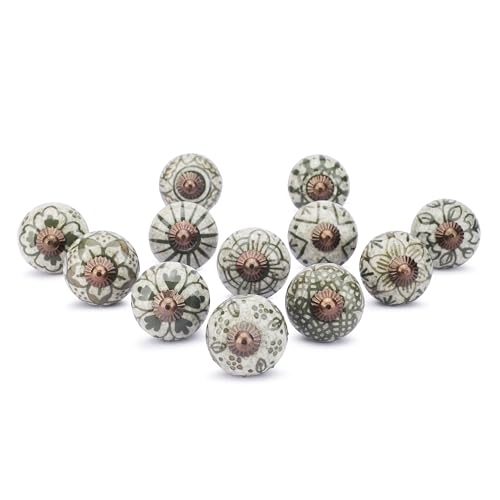
Ajuny Green Ceramic Knobs Set 12 Hand Painted Cabinet Drawer Pull Handles | Glossy Pottery Cupboard Door Hardware for Kitchen Bathroom Dresser Furniture Decorative Home Renovation Accent Style Decor
Check price on Amazon