
House for Remodeling: Your Complete Renovation Guide
Whether you have found a promising property or are planning to transform your current home, this guide walks you through every stage of a successful remodeling project — from assessment and planning to contractor selection and final walkthrough.
Start Planning Your RemodelWhy a House for Remodeling Deserves Careful Planning
Buying or owning a house for remodeling is one of the most significant decisions a homeowner can make. A well-executed renovation can transform an outdated property into a modern, functional living space — but the difference between a smooth project and a stressful one almost always comes down to preparation. Understanding the property's condition, setting realistic goals, and assembling the right professional team are the three pillars of any successful remodel.
This guide is designed for homeowners who are in the research phase: you know you want to renovate, but you need a clear roadmap. Below you will find practical advice on evaluating a property, planning the scope of work, choosing contractors, and avoiding common pitfalls. Each section is written to help you make informed decisions before committing to a major investment.
1. Assessing a House for Remodeling
Before you finalize a purchase or commit to a renovation plan, a thorough assessment of the property is essential. Cosmetic flaws — worn flooring, dated fixtures, peeling paint — are expected in any remodeling project and are generally straightforward to address. Structural and systemic issues, however, require far more attention and should be identified early.
Key Areas to Inspect
- Foundation and structure: Look for cracks in the foundation, uneven floors, sagging rooflines, and signs of water intrusion. Structural repairs are among the most complex and disruptive elements of any renovation.
- Roof condition: An aging roof can lead to water damage throughout the home. Determine the roof's age and look for missing shingles, leaks, or sagging areas.
- Plumbing and electrical systems: Outdated wiring and galvanized or polybutylene pipes often require full replacement. These system upgrades are critical for safety and should be factored into the project scope from the start.
- HVAC and insulation: Older homes frequently have inefficient heating, cooling, and insulation. Upgrading these systems improves comfort and long-term energy performance.
- Layout and flow: Consider whether walls can be removed or reconfigured to create open, modern living spaces. Load-bearing walls require engineering assessment before any changes.
Pro Tip: Hire a licensed home inspector and, for older properties, a structural engineer to evaluate the building before you commit. A professional assessment provides the objective data you need to prioritize work and plan a realistic renovation sequence.
If you are planning to update the exterior as part of the project, exploring options to modernize the exterior of your house can significantly improve curb appeal and long-term value. Similarly, if the electrical system is outdated, budgeting for an electric panel upgrade early in the process prevents costly surprises later.
2. Planning Your Renovation Scope and Sequence
A successful remodeling project starts with a clear, written plan. Define what you want to achieve, prioritize the work, and establish a logical sequence. Whole-house renovations typically follow a pattern: structural work first, then systems (plumbing, electrical, HVAC), then insulation and drywall, followed by flooring, cabinetry, fixtures, and finally paint and finishing touches.
Setting Goals and Priorities
- Define your objectives: Are you renovating for personal enjoyment, to increase property value, or to prepare the home for resale? Your goal shapes every decision, from material selection to layout changes.
- Prioritize essential work: Address safety and structural issues first — foundation, roof, electrical, plumbing. Cosmetic upgrades can follow once the core systems are sound.
- Plan for permits: Structural changes, additions, electrical work, and plumbing modifications typically require building permits. Confirm requirements with your local authority before work begins.
- Create a realistic timeline: Whole-house renovations commonly take several months to a year, depending on scope. Build in buffer time for inspections, material lead times, and unforeseen discoveries.
Renovation Tier Comparison
To help you frame the scope of your project, consider which remodeling tier best matches your goals and the property's condition:
| Tier | Typical Scope | Best For |
|---|---|---|
| Essential tier | Cosmetic refresh — paint, flooring, fixtures, minor repairs | Properties in good structural condition that need visual updates |
| Mid-tier | Kitchen or bathroom remodel, system upgrades, some layout changes | Homes with dated but functional systems and a focused upgrade goal |
| High-end tier | Multi-room renovation, layout reconfiguration, premium finishes | Homeowners seeking a comprehensive transformation with upgraded materials |
| Professional-grade / whole-house | Full gut renovation, structural changes, additions, all new systems | Older properties requiring complete modernization or significant reconfiguration |
If your plans include expanding the footprint of the home, review plans for home additions to understand how an addition integrates with the existing structure and affects the overall renovation sequence. For projects focused on improving resale potential, home improvements that increase property value offers a useful framework for prioritizing upgrades.
3. Choosing the Right Contractor for Your Remodel
For most whole-house and multi-room remodels, a general contractor is essential. The contractor coordinates subcontractors, manages the schedule, ensures code compliance, and provides a single point of accountability. Selecting the right professional is one of the most consequential decisions in the entire project.
What to Look For
- Licensing and insurance: Verify that the contractor holds the required licenses for your area and carries liability insurance and workers' compensation coverage.
- Experience with similar projects: Ask for examples of completed renovations comparable in scope to yours. A contractor experienced with whole-house projects will understand the sequencing and coordination challenges.
- References and reviews: Speak with past clients and read independent reviews. Ask about communication, adherence to timelines, and how issues were handled.
- Detailed written proposals: A professional contractor provides a clear scope of work, itemized breakdown, payment schedule, and timeline in writing.
When searching for professionals, you can explore remodeling contractors near me and home renovation contractors to compare options in your area. For projects involving significant structural work, a renovation contractor with proven experience in structural modifications is essential. If the project is a full transformation, consider specialists in whole-house renovations who can manage the complexity of coordinating every trade.
For homeowners planning a comprehensive update, home renovation services and house renovation experts provide access to teams that handle design, permitting, and construction under one roof. If you are also considering a basement or attic conversion as part of the project, basement renovations specialists can advise on moisture control, egress requirements, and structural considerations.
4. Common Remodeling Pitfalls and How to Avoid Them
Even well-planned renovations encounter challenges. Understanding the most common pitfalls helps you prepare and respond effectively.
- Underestimating the scope: Renovations frequently uncover hidden issues — outdated wiring, water damage, or structural problems behind walls. Build contingency into both your plan and your timeline.
- Changing plans mid-project: Design changes during construction are a leading cause of delays and additional work. Finalize decisions before work begins whenever possible.
- Skipping permits: Unpermitted work can create serious problems during resale, insurance claims, and future renovations. Always confirm permit requirements and ensure inspections are completed.
- Choosing a contractor on initial impression alone: Take time to verify credentials, check references, and compare written proposals. The lowest initial proposal is not always the most reliable choice over the course of a project.
- Neglecting a final walkthrough: Before final payment, conduct a thorough walkthrough with the contractor. Create a punch list of remaining items and confirm that all work meets the agreed scope.
If the project involves reconfiguring the kitchen or bathroom — the two most common remodeling targets — specialized guidance on kitchen and bathroom remodeling can help you navigate the unique challenges of these high-use spaces. For homeowners weighing whether to manage the project themselves, do-it-yourself home renovation outlines what is realistic to handle personally and where professional help is essential.
Ready to Transform Your House?
Explore our full library of renovation guides, contractor directories, and project planning resources to move forward with confidence.
Explore Home Improvement ResourcesFrequently Asked Questions
What should I look for in a house for remodeling?
Focus on structural integrity, foundation condition, roof age, plumbing and electrical systems, and the potential for layout changes. Cosmetic issues are easier and less disruptive to address than major structural problems. A professional inspection before purchase provides the data you need to plan accurately.
How do I plan a whole-house renovation?
Start with a detailed assessment of the property, define your goals and priorities, establish a realistic timeline, secure permits, and hire experienced professionals for structural, electrical, and plumbing work. Sequencing is critical: structural and system work comes first, followed by finishes.
Should I hire a general contractor for a remodeling project?
Yes, for most whole-house or multi-room projects, a general contractor coordinates trades, manages schedules, ensures code compliance, and provides a single point of accountability. For smaller, single-room cosmetic updates, managing the project yourself may be feasible.
How long does a typical house renovation take?
Timelines vary widely by scope. A focused kitchen or bathroom remodel may take several weeks, while a whole-house renovation commonly spans several months to a year. Factors include permit timelines, material lead times, and the condition discovered once work begins.
Recommended Tools & Essentials for House Remodeling Projects
⚠️ AFFILIATE DISCLOSURE: This website contains affiliate links. As an Amazon Associate, we earn from qualifying purchases. If you make a purchase through these links, we may receive a small commission at no additional cost to you. Read our full affiliate policy.

The Visual Handbook of Building and Remodeling 5th Edition: A Comprehensive Guide to Choosing the Right Materials and Systems for Every Part of Your Home
Check price on Amazon
How Your House Works: A Visual Guide to Understanding and Maintaining Your Home (RSMeans)
Check price on Amazon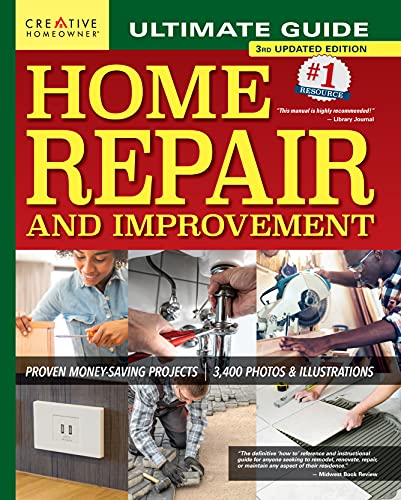
Ultimate Guide to Home Repair and Improvement, 3rd Updated Edition: Proven Money-Saving Projects, 3,400 Photos & Illustrations (Creative Homeowner) Step-by-Step DIY for Plumbing, Electrical, Carpentry
Check price on Amazon
DIY HOME REMODELING & RENOVATIONS FOR BEGINNERS: How to Plan to Fix Your House Without Breaking Yourself (or Your Budget) (DIY Projects Book Series)
Check price on Amazon
This Oak House: A Renovation Story with Interiors to Inspire Your Own Home
Check price on Amazon
The Visual Handbook of Building and Remodeling, 3rd Edition
Check price on Amazon
Home Remodel Christmas Ornament 2026, Funny Home Remodeling Keepsake Gifts | Homeowner Gifts, Home Renovation Ceramic Ornament, New House Remodeling Ornament, Christmas Tree Hanging Decorations
Check price on Amazon