Gutters Guide: Installation, Maintenance, and Water Control
Learn how gutters protect your home from water damage, compare materials, and plan a system that keeps water moving away from your foundation.
EXPLORE GUTTER OPTIONSHomeFixPlace Insight: Gutters are one of the most overlooked parts of a home, yet they protect the roof, siding, and foundation from water damage. A well-designed system moves water efficiently away from the structure—and lasts decades when properly maintained.
Why Gutters Matter for Every Home
Gutters capture rain and snowmelt from the roof and channel it away from the foundation. Without them, water runs down the siding, pools at the base of the house, and eventually finds its way into basements and crawl spaces. Over time, that constant moisture causes rot, mold, and foundation cracks.
A properly sized and installed system protects the home from these risks and reduces maintenance elsewhere. Even the roof itself benefits—water that backs up behind clogged gutters can damage shingles and cause ice dams in colder climates. Homeowners planning exterior upgrades often pair gutter work with a window replacement or larger whole house renovation so the exterior updates are coordinated.
Common Gutter Materials
Gutters are available in several materials, each with distinct tradeoffs. The table below compares the most common options by application and relative tier.
| Material | Best For | Tier |
|---|---|---|
| Vinyl | Budget-friendly DIY installs on smaller homes | Entry-level tier |
| Aluminum | Most residential homes; lightweight and rust-resistant | Mid-tier |
| Steel | Areas with heavy snow or debris; durable construction | Premium tier |
| Copper | Long-term investment homes with distinctive appearance | Top-tier |
Seamless vs. Sectional Gutters
Sectional gutters come in pre-cut lengths and are joined with connectors. They are easier to transport and install, which makes them popular for DIY projects. Seamless gutters are formed on-site by a specialized machine and installed in one continuous run, which reduces leak points significantly.
For most homes, seamless aluminum is the standard choice. If you prefer a system that comes together in modular pieces, sectional is a reasonable option, particularly for smaller runs or simple rooflines. Coordinating installation with general contractors helps ensure the system is integrated with the rest of the exterior work.
Sizing and Placement
Gutters must be sized to handle the roof's runoff area and the local rainfall intensity. Undersized gutters overflow during heavy storms, which defeats the purpose. Downspouts must also be placed so water discharges well away from the foundation—typically a few feet beyond the wall.
Slope matters too. A slight fall toward the downspout keeps water moving and prevents standing water that attracts mosquitoes or supports algae growth. Check a rainwater harvesting plan if you want to capture runoff for landscaping, since collection systems depend on well-functioning gutters upstream.
Step-by-Step Installation Basics
Installation is approachable for a confident DIYer on a single-story home, though two-story projects usually benefit from a professional crew. A typical install follows this sequence:
Step 2 — Mark the slope. Use a chalk line to set a slight pitch toward each downspout. Too much slope looks bad; too little causes pooling.
Step 3 — Install hangers. Space hangers according to the material—closer spacing for steel and copper than for aluminum.
Step 4 — Attach sections. Join pieces with sealant and connectors, keeping each joint aligned and tight.
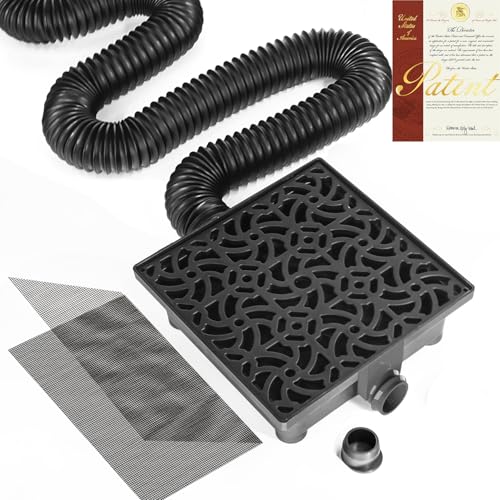
Step 5 — Install downspouts. Position downspouts to discharge away from the foundation and extend with splash blocks or underground extensions.
Step 6 — Test the flow. Run water through the system and confirm it discharges cleanly at every downspout.
Gutter Guards and Accessories
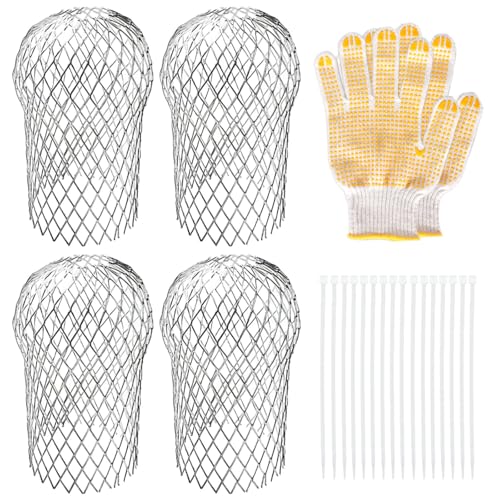
Gutter guards reduce debris accumulation and lower the frequency of cleaning. They are particularly useful on homes surrounded by mature trees. However, no guard eliminates maintenance entirely—small debris and shingle grit still find their way into the system, and periodic inspection remains essential.
Other useful accessories include downspout extensions, splash blocks, and heat cables for cold climates. A well-designed outdoor lighting plan can also illuminate the drainage path so you can spot problems during evening inspections.
Maintenance That Extends Gutter Life
Regular maintenance is what turns a gutter system into a long-term investment. Plan for cleaning at least twice a year—more often if trees are nearby. Inspect for the following during each pass:
- Debris buildup: Clear leaves, shingle grit, and twigs from troughs and downspouts.
- Loose hangers: Tighten or replace hangers that have pulled away from the fascia.
- Seam leaks: Re-seal joints that show separation or dripping during rain.
- Downspout flow: Confirm water exits each downspout at full capacity.
- Foundation drainage: Check that water discharges away from the base of the house.
Pro tip: After a heavy storm, walk the perimeter and look for water pooling near the foundation or staining on the siding. Those signs usually point to a specific section of gutter that is clogged, sagging, or undersized.
Signs You Need a Gutter Replacement
Repair is often possible, but some conditions call for a replacement. Common warning signs include rust or corrosion along the trough, sagging sections that no longer sit level, frequent leaks at seams, and visible separation from the fascia. In older homes, undersized gutters from prior decades often overflow during modern storm intensities and should be upgraded.
If the replacement is part of a broader exterior project, a home improvement contractor can coordinate the timing with siding, roofing, and painting work. For homes undergoing major renovations, a home renovation 101 review helps sequence the work efficiently.
Gutters and the Rest of Your Home
Gutters are rarely a standalone project. They interact with the roof, siding, foundation, and landscaping. Coordinating them with other exterior upgrades is usually more efficient and produces a more cohesive result. If the home is being prepared for resale, gutter work often pairs well with curb appeal improvements such as an updated outdoor living area or fresh exterior painting.
For homes in areas with high rainfall or seasonal storms, a well-designed system is part of a broader water management plan. Reviewing a rainwater harvesting or drainage strategy helps ensure the water leaving your gutters has somewhere useful to go.
Final Checklist Before You Install
Run through this list to make sure your project starts on solid footing:
- Measure each roofline and confirm the downspout count and locations.
- Choose a material that matches the home's climate and appearance.
- Verify slope and hanger spacing before attaching sections.
- Plan downspout discharge so water moves away from the foundation.
- Decide whether guards or accessories make sense for the home.
- Set a maintenance schedule for cleaning and inspection.
With a well-planned system, gutters protect the home for decades and support the rest of your exterior improvements. The products below support installation, cleaning, and drainage work, and each is selected for value within its tier so you can compare options clearly.