
Contractors for Home Repairs: How to Find and Hire Trusted Professionals
Everything you need to know about choosing the right repair contractor — from verifying credentials and comparing tiers to negotiating contracts and avoiding common pitfalls.
START THE HIRING GUIDEWhy This Guide Matters: Home repairs can be stressful, but the right contractor makes all the difference. Whether you're fixing a leaky roof, repairing drywall, or tackling a major renovation, this guide walks you through every step of finding, vetting, and hiring contractors for home repairs — so you can protect your investment and your peace of mind.
Why Hiring the Right Repair Contractor Matters
Home repairs are rarely as simple as they look. What begins as a small fix can quickly reveal hidden problems — water damage behind walls, outdated wiring, or structural issues. A qualified contractor brings the expertise to diagnose these problems correctly and fix them at the source, not just patch the symptoms.
Beyond technical skill, a good contractor protects you legally and financially. Licensed professionals carry insurance that covers accidents on the job, and they pull the necessary permits to ensure your repairs meet local building codes. Skipping these steps can void your homeowner's insurance or create liabilities if something goes wrong.
Working with proven contractors for home repairs also saves time. A professional handles material sourcing, scheduling, and quality control — tasks that can consume weeks of your own time if you attempt a DIY approach on complex repairs. For projects that involve plumbing, electrical, or structural work, hiring a specialist is not just convenient; it's often the safest and most cost-effective path.
Types of Contractors for Home Repairs
Not all repair contractors are the same. The right fit depends on the scope and nature of your project. Here's how to distinguish the main categories:
General Contractors
General contractors oversee entire projects and coordinate multiple trades. They're the best choice for large repairs or renovations that involve several disciplines — for example, a bathroom remodel that requires plumbing, electrical, tiling, and painting. If you're planning a bathroom remodeling project, a general contractor can manage the entire workflow and hold subcontractors accountable.
Specialty Contractors
Specialty contractors focus on a single trade: plumbing, electrical, roofing, HVAC, or foundation work. For targeted repairs within their expertise, they often deliver better results than generalists. For instance, a plumbing specialist is the right call for a bathroom repair involving pipes or fixtures, while a roofer should handle any roof-related issue.
Handyman Services
Handymen are ideal for smaller, non-structural repairs — fixing a fence, replacing a faucet, or patching drywall. They typically charge less than licensed specialists, but they may not be licensed for major electrical or plumbing work. Be clear about the scope of your project before hiring, and check whether the handyman carries insurance.
For a broader range of home improvement needs, you may also consider contractors for home improvements who handle both repairs and upgrades in a single engagement.
Understanding Contractor Tiers
Contractors generally fall into three quality tiers. Understanding these tiers helps you match your project's needs with the right level of service — without overpaying for capabilities you don't need or underpaying for critical work.
| Tier | Typical Characteristics | Best For |
|---|---|---|
| Entry-Level | Independent tradespeople or small crews. May have limited insurance coverage. Often competitive on smaller jobs. | Minor repairs, cosmetic fixes, and projects with flexible timelines. |
| Mid-Range | Established local companies with proper licensing, insurance, and a track record. Offer warranties and clear contracts. | Most home repairs, including bathroom and kitchen work, roofing, and electrical. |
| Premium | Highly specialized firms with extensive portfolios, dedicated project managers, and comprehensive guarantees. | Complex renovations, historical restorations, and projects where precision and accountability are paramount. |
Mid-range contractors usually offer the best balance of reliability and value for typical home repairs. Entry-level options can work well for straightforward tasks, while premium firms make sense when the stakes are high or the work is highly specialized. If you're exploring a larger project, resources like the bathroom remodeling cost calculator can help you frame expectations without relying on guesswork.
How to Find Contractors for Home Repairs
Finding good contractors starts with casting a wide net and then narrowing down systematically. Here's a proven approach:
1. Start with Referrals
Ask friends, family, neighbors, and coworkers about contractors they've hired recently. Personal referrals carry more weight than anonymous reviews because you can ask follow-up questions about communication, punctuality, and how problems were handled.
2. Check Online Directories and Reviews
Websites like Google Business, Yelp, Angi, and Houzz provide reviews and ratings. Look for patterns: consistent praise for workmanship is a good sign, while repeated complaints about delays or hidden fees are red flags. For specialized needs, search for bathroom remodelers near me to find local professionals with relevant experience.
3. Verify Licensing and Insurance
Most states require contractors to hold a valid license for work above a certain value. Ask for the license number and verify it through your state's licensing board website. Also request a certificate of insurance showing both general liability and workers' compensation coverage — and call the insurer to confirm the policy is active.
4. Interview Multiple Candidates
Talk to at least three contractors before making a decision. Ask about their experience with projects similar to yours, their typical timeline, and how they handle change orders or unexpected discoveries. A good contractor will be transparent and willing to answer questions in detail.
Pro Tip: If you're specifically searching for a bathroom remodeling contractor, ask whether they handle permits and inspections themselves. Contractors who manage the paperwork save you significant time and reduce the risk of code violations.
Vetting and Hiring: What to Check Before You Sign
Once you've narrowed down your list, it's time to vet your top candidates thoroughly. This step separates a smooth project from a stressful one.
Request Detailed Written Estimates
Every estimate should break down labor, materials, permits, and any other costs. Avoid contractors who give vague verbal estimates or refuse to put numbers in writing. Compare estimates line by line rather than just looking at the bottom line — a lower total may reflect missing scope items.
Check References and Past Work
Ask each contractor for three references from projects completed within the last year. Call those references and ask specific questions: Was the project completed on time? Did the final cost match the estimate? Would you hire this contractor again? If possible, visit a completed project to inspect the workmanship firsthand.
Review the Contract Carefully
A solid contract includes the scope of work, payment schedule, timeline, warranty terms, and a process for handling change orders. Never sign a contract with blank spaces or vague language. Pay close attention to the payment schedule — a common rule of thumb is to pay no more than one-third upfront, with remaining payments tied to project milestones.
Confirm Warranty and Post-Project Support
Ask what warranty the contractor offers on labor and materials. A mid-range or premium contractor typically provides at least a one-year workmanship warranty. Get the warranty terms in writing, and clarify who to contact if issues arise after the project is finished.
For large projects, you may want to compare multiple bids using resources like the bathroom remodeling costs guide to understand what a fair proposal looks like across different tiers. If your project is part of a broader home upgrade, consider reading about the best home improvements for return on investment to prioritize repairs that add lasting value.
Managing the Repair Project Once Work Begins
Hiring the right contractor is half the battle; the other half is managing the project effectively. Here's how to keep things on track:
- Establish clear communication channels. Agree on how and when you'll receive updates — daily texts, weekly emails, or in-person check-ins. Clarify who your main point of contact is.
- Document everything. Take photos before, during, and after the work. Keep copies of all contracts, change orders, receipts, and correspondence. This protects you if disputes arise.
- Inspect work at milestones. Don't wait until the end to review progress. Inspect key stages — framing, rough plumbing, electrical rough-in — and raise concerns immediately rather than after the work is covered up.
- Hold back final payment until punch-list items are complete. A punch list is a written list of minor issues to fix before the project is considered finished. Withhold the final payment until every item is resolved to your satisfaction.
If you're remodeling a specific room, such as a bathroom remodel, keep a folder with product specifications and installation guidelines. Contractors appreciate clients who are organized, and clear expectations reduce the chance of costly misunderstandings.
Red Flags to Watch Out For
Even with careful vetting, some contractors raise warning signs. Walk away if you notice any of the following:
- Large upfront payment demands. Requests for more than one-third of the total upfront are a major red flag. Reputable contractors tie payments to progress.
- No written contract. A handshake deal offers no protection if something goes wrong. Insist on a detailed written agreement.
- Pressure to decide immediately. High-pressure sales tactics — "this price is only good today" — are a warning sign of unreliable operators.
- No physical address or verifiable license. Legitimate contractors have a business address and can provide a license number you can verify independently.
- Reluctance to provide references. Contractors with a strong track record are proud to share references. Evasiveness suggests problems.
If you're comparing several contractors for a bigger project, reading up on how to find the best way to find a contractor for bathroom remodeling can give you additional criteria for evaluating candidates. Similarly, if your repair is part of a broader renovation, resources on bathroom renovation can help you understand the sequencing of trades and inspections.
Top-Rated Tools & Supplies for Home Repair Contractors
⚠️ AFFILIATE DISCLOSURE: This website contains affiliate links. As an Amazon Associate, we earn from qualifying purchases. If you make a purchase through these links, we may receive a small commission at no additional cost to you. Read our full affiliate policy.
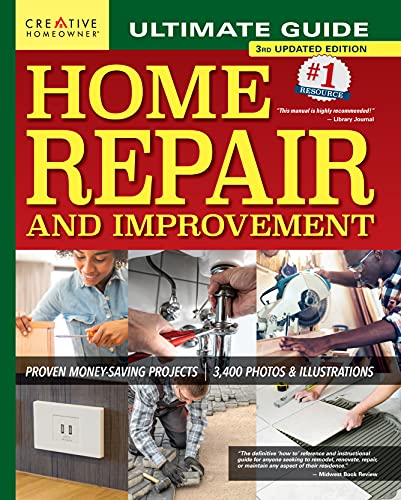
Ultimate Guide to Home Repair and Improvement, 3rd Updated Edition: Proven Money-Saving Projects, 3,400 Photos & Illustrations (Creative Homeowner) Step-by-Step DIY for Plumbing, Electrical, Carpentry
Check price on Amazon
Home Maintenance & Repair Log Book: Seasonal Checklists • Repairs • Appliances • Service History • Projects • Home Expenses
Check price on Amazon
Dyfizer Floor Gap Fixer Tool, Laminate Floor Repair Kit with Suction Cup | Rubber mallet and 3 reusable sticky pads included, works on laminate, vinyl, LVP, and hardwood floors, easy DIY gap repair
Check price on Amazon
Home Maintenance Logbook: Organize and track your repair service calls, contractor contacts, maintenance checklist, and more
Check price on Amazon
The DIY Home Repair and Maintenance Handbook: Prevent and Fix Common Home Problems and Avoid Costly Handyman Bills | DIY Projects for Repairs, Maintenance, Upgrades & Money-Saving Strategies
Check price on Amazon
Home Maintenance Log Book: All-in-One Home Maintenance Planner & Repair Record Book with Seasonal Checklists, Contractor Contacts, Appliance & ... Service Logs and Home Improvement Planning
Check price on Amazon
Residential Construction Performance Guidelines, Contractor Reference, Sixth Edition
Check price on AmazonFrequently Asked Questions About Repair Contractors
Start by gathering referrals from trusted sources, then verify licenses and insurance, check online reviews, and interview at least three candidates. Always request detailed written estimates before making a decision. For specialized projects, search for contractors with proven experience in that specific area — for example, bathroom remodelers close to me if your repair involves a bathroom.
Ask about their license number, insurance coverage, warranty terms, project timeline, payment schedule, and whether they will use subcontractors. Request references from similar projects completed recently. Also ask how they handle unexpected discoveries or change orders — a transparent process is essential for avoiding disputes later.
Entry-level contractors may be suitable for minor repairs but often have limited insurance or warranties. Mid-range contractors typically provide proper licensing, insurance, and workmanship warranties — making them the best fit for most home repairs. Premium contractors offer specialized expertise and dedicated project management, which is valuable for complex or high-stakes projects.
A common and fair payment schedule ties payments to project milestones. Typically, no more than one-third is paid upfront, with subsequent payments released as work progresses. Final payment should be withheld until all punch-list items are completed to your satisfaction. Avoid contractors who demand full payment before work begins.
Permit requirements vary by location and project type. Generally, structural changes, electrical work, plumbing modifications, and additions require permits. Cosmetic repairs like painting or replacing a faucet typically do not. A reputable contractor will know local requirements and handle permit applications on your behalf. Always confirm permit responsibility in the contract before work begins.
Final Thoughts
Hiring contractors for home repairs is an investment in your home's safety and value. By understanding contractor tiers, verifying credentials, comparing written estimates, and managing the project with clear communication, you can avoid the most common pitfalls and get quality work that lasts.
Whether you're tackling a small fix or planning a major renovation, the same principles apply: do your research, ask the right questions, and never skip the contract. A few hours of careful vetting can save you weeks of frustration — and thousands in potential repairs down the line.