How to Increase Water Pressure in the House
Diagnose low pressure, fix common issues, and boost flow with proven, step-by-step methods. Get the water pressure you deserve.
Jump to SolutionsWhy Is My Water Pressure Low?
Low water pressure can turn a relaxing shower into a frustrating trickle. Whether it's a clogged aerator, a faulty pressure regulator, or a hidden leak, the problem is usually fixable without calling a plumber. This guide walks you through the most common causes and solutions to increase water pressure in your house quickly and safely.
Before you buy any equipment, perform a simple test: run the kitchen faucet and the bathtub simultaneously. If both have low flow, the issue is likely with the main supply or the pressure regulator. If only one fixture is weak, the problem is localized.
5 Proven Ways to Increase Water Pressure
1. Clean or Replace Aerators & Showerheads
Mineral buildup is the #1 cause of low pressure at a single fixture. Unscrew the aerator, soak it in vinegar overnight, and scrub it clean. For showerheads, use a descaler or replace them with a high-flow model.
2. Adjust the Pressure Regulator
Most homes have a pressure reducing valve (PRV) near the main water line. Use a wrench to turn the adjustment screw clockwise to increase pressure. Do not exceed 80 psi – test with a pressure gauge.
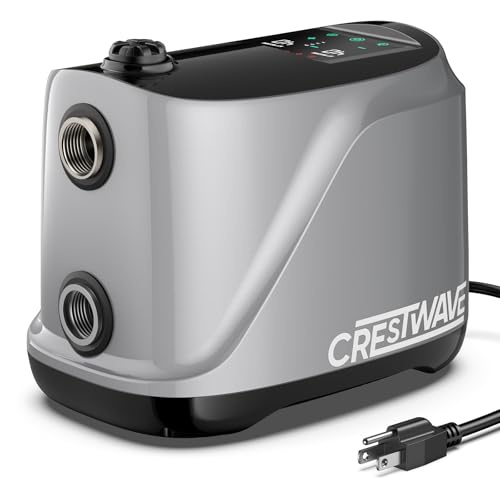
3. Install a Water Pressure Booster Pump
If your home's incoming pressure is consistently below 40 psi, a booster pump is the most effective solution. These pumps are installed on the main line and can increase pressure by 20–50 psi. Look for models with automatic shut-off.
4. Check for Leaks & Pipe Corrosion
Hidden leaks or corroded galvanized pipes can drastically reduce pressure. Inspect exposed pipes for rust or moisture. If you suspect a leak, call a home repairman near me for a professional assessment.
5. Upgrade Your Water Supply Line – If your house has an older ½-inch supply line, upgrading to ¾-inch or 1-inch can significantly improve flow. This is a bigger project, but it's a permanent fix for low pressure.
Step-by-Step: How to Diagnose & Fix Low Pressure
- Test the pressure: Attach a pressure gauge to an outside hose bib. Normal pressure is 45–75 psi. If it's below 40 psi, proceed to step 2.
- Check the shut-off valve: Ensure the main valve is fully open. Also check individual fixture shut-offs under sinks.
- Inspect the pressure regulator: If you have one (usually near the water meter), adjust it as described above. If it's faulty, replace it.
- Look for leaks: Check your water meter when all water is off. If it's moving, you have a leak. Consider plumbing repairs if needed.
- Consider a booster pump: For homes with chronic low pressure, a booster pump is the most reliable long-term solution.
How Much Does It Cost to Increase Water Pressure?
- DIY repairs (aerators, showerheads): $5–$30
- Pressure regulator replacement: $150–$350 (including parts and labor)
- Booster pump installation: $800–$2,500 (depending on pump size and complexity)
- Main supply line upgrade: $1,500–$4,000+ (for trenching and new pipe)
Most homeowners find that a booster pump offers the best value for money, especially if you plan to stay in your home for several years. If you're also considering a kitchen remodeling or bathroom renovations, it's a good time to upgrade the water supply as part of the project.
When to Call a Professional
While many pressure issues are DIY-friendly, some require a skilled hand. If you have:
- Galvanized pipes (likely corroded)
- Persistent low pressure despite all fixes
- No pressure regulator installed
- Water hammer or banging pipes
Then it's time to call a plumbing contractor or a general contractor for home renovation. They can perform a full system evaluation and recommend permanent solutions. For elderly homeowners, look into help for the elderly with home repairs for assistance programs.
Frequently Asked Questions
Can I increase water pressure without a pump?
Yes, if the issue is a clogged aerator, a partially closed valve, or a faulty pressure regulator. These fixes are free or low-cost. However, if your incoming pressure is chronically low, a pump is the only effective solution.
Is it safe to increase water pressure above 80 psi?
No. Most plumbing systems are rated for 80 psi. Exceeding this can damage pipes, fixtures, and water heaters. Always use a pressure gauge to monitor your adjustments.
Will a water softener help with pressure?
Not directly, but a softener can prevent mineral buildup that clogs aerators and showerheads, which improves flow over time. For immediate pressure, address the mechanical causes first.
If you're also planning a bathroom remodel with walk-in shower, consider a dedicated pressure booster for that area to ensure great shower performance.