How Much Does It Cost to Update Kitchen Cabinets?
Discover the real cost factors behind cabinet painting, refacing, refinishing, and full replacement — and learn how to choose the smartest update for your kitchen and budget.
Explore Your OptionsQuick Answer: Updating kitchen cabinets is one of the most impactful kitchen improvements you can make, and the cost ranges widely based on the method you choose. A budget-friendly paint or refinish project sits at the entry-level tier, refacing lands in the mid-range, and full custom replacement represents the premium or luxury end of the spectrum. Below, we break down each approach, explain what drives the cost up or down, and help you decide which route fits your home and goals.
Why Kitchen Cabinet Updates Matter
Kitchen cabinets occupy the largest visual footprint in most kitchens. They define the room's style, influence how buyers perceive the home, and affect daily functionality. Updating them — whether through a fresh coat of paint, new doors and drawer fronts, or a complete replacement — refreshes the entire space without the disruption of a full kitchen remodel.
Homeowners often explore cabinet updates when they want a modern look, better storage, or improved resale appeal. Understanding the cost structure before you start helps you set realistic expectations and avoid surprises mid-project. If you are weighing a broader renovation, it helps to compare cabinet-specific updates against a full kitchen renovation cost to see where the best value lies.
The Four Main Cabinet Update Options
There are four practical paths to updating kitchen cabinets. Each sits at a different tier of investment and delivers a different level of transformation. Choosing the right one depends on the condition of your existing cabinets, your design goals, and how long you plan to stay in the home.
Cabinet Update Methods Compared
The table below summarizes how each method compares across key decision factors. Keep in mind that relative tiers reflect market positioning, not exact figures — actual project investment depends on kitchen size, material choices, labor rates in your area, and the condition of your existing cabinets.
| Method | Relative Tier | Visual Impact | Timeline | DIY-Friendly? |
|---|---|---|---|---|
| Painting | Entry-Level | Moderate | 2–5 days | Yes, with prep care |
| Refinishing | Mid-Range | Moderate | 3–6 days | Possible for skilled DIYers |
| Refacing | Mid-Range | High | 3–5 days | Best left to pros |
| Full Replacement | Premium / Luxury | Very High | 1–3 weeks | No — professional recommended |
What Drives the Cost Up or Down
No two kitchens are identical, and several variables influence where your project lands within its tier. Understanding these factors helps you budget intelligently and negotiate more confidently with contractors.
- Kitchen size and cabinet count: More cabinets mean more surface area, more doors, and more labor hours. A compact galley kitchen sits at the lower end of any method's tier, while a large open-plan kitchen with an island pushes toward the upper end.
- Cabinet condition: If the existing boxes are solid and square, painting or refacing is straightforward. Warped frames, water damage, or failing hinges may force partial replacement, which nudges the project toward a higher tier.
- Material and finish choices: Standard paint and stock doors keep a project at the entry or mid tier. Custom wood species, specialty finishes, and premium hardware move it toward the premium and luxury range.
- Layout changes: Moving plumbing, electrical, or appliances during a replacement dramatically increases complexity. Keeping the existing layout is the most cost-effective approach.
- Labor and location: Professional labor rates vary by region and demand. Urban markets and peak renovation seasons typically sit at the higher end of the tier range.
- Add-ons: New hardware, soft-close hinges, under-cabinet lighting, and interior organizers add convenience but also add to the overall project investment.
Money-Saving Tip: If your cabinet boxes are structurally sound, combining refacing with new hardware often delivers the biggest visual improvement for the smallest relative investment. Save full replacement for situations where the layout no longer works or the boxes are failing. You can also compare our cabinet update cost guide with the broader kitchen cabinet upgrade cost overview to see how small upgrades fit into a larger plan.
Refinishing vs Refacing: Which Should You Choose?
This is one of the most common questions homeowners ask. The answer depends on the condition of your existing doors and the look you want to achieve.
Refinishing is the more budget-friendly option and works best when your doors are solid, the style suits your taste, and only the color or finish needs refreshing. Refacing, on the other hand, replaces the visible surfaces entirely — doors, drawer fronts, and veneer — so it can modernize an outdated shaker or flat-panel profile without touching the boxes. If you are leaning toward refacing, our detailed guide on kitchen cabinet refacing cost explains what influences the project tier.
For homeowners who want to keep the current cabinet footprint but change the entire aesthetic, refacing is usually the stronger choice. For those protecting a tighter budget and comfortable with the existing door style, refinishing or painting delivers excellent value.
When Full Replacement Makes Sense
Full replacement is the premium and luxury end of the cabinet update spectrum. It becomes the right choice when the existing boxes are damaged, the layout no longer serves your household, or you want to reconfigure storage and appliances. Replacement also allows you to add features like deep drawers, pull-out pantries, and integrated organizers.
If replacement is on your radar, it is worth reviewing the new cabinet installation cost alongside the new bathroom installation cost if you are planning a multi-room refresh. Many homeowners find that coordinating cabinet replacement with countertop updates delivers a more cohesive result — see our guide on new kitchen countertop cost for context.
How to Budget for Your Cabinet Update
A smart budget starts with clarity about your goals. Ask yourself three questions: How long do I plan to stay in this home? What is the current condition of my cabinet boxes? How much visual change do I want? The answers will point you toward the right tier.
Set aside a contingency buffer for surprises — hidden water damage, outdated wiring, or uneven walls are common in older kitchens. If you are comparing a cabinet-only project against a larger scope, our kitchen renovation cost guide and whole kitchen redo cost breakdown help you see the bigger picture.
Finally, consider the long-term value. A well-executed cabinet update improves daily enjoyment and can strengthen resale appeal. If you are updating multiple spaces, our guides on new bathroom cost and bathroom renovation cost can help you plan a coordinated whole-home refresh.
Frequently Asked Questions
Is it cheaper to reface or replace kitchen cabinets?
Refacing is generally more affordable than full replacement because it reuses the existing cabinet boxes. If your cabinet frames are structurally sound and the layout works for you, refacing delivers a dramatic visual update while keeping overall project investment at a mid-tier level compared with a full replacement.
How long does it take to update kitchen cabinets?
A simple paint or refinish job usually takes a few days, including drying time. Refacing typically takes three to five days for an average kitchen, while full cabinet replacement can take one to three weeks depending on custom orders, demolition, and countertop adjustments.
Can I update my kitchen cabinets myself?
Yes, painting and refinishing are the most DIY-friendly cabinet updates. They require patience, proper surface prep, and the right tools. Refacing and replacement are better left to professionals because they involve precise measurements, carpentry skills, and potential plumbing or electrical adjustments.
Do updated kitchen cabinets increase home value?
Kitchen updates consistently rank among the highest-return home improvements. Even a modest cabinet refresh can improve perceived value and appeal to buyers. The exact return depends on your local market, the quality of the update, and how well the new look fits the rest of the home.
What is the difference between refinishing and refacing cabinets?
Refinishing restores the existing cabinet surfaces through sanding, staining, or painting. Refacing keeps the cabinet boxes but replaces the doors, drawer fronts, and veneer on the visible frame. Refacing delivers a more dramatic change and is a mid-range upgrade, while refinishing is a more budget-friendly option when the existing doors are in good condition.
Ready to Plan Your Cabinet Update?
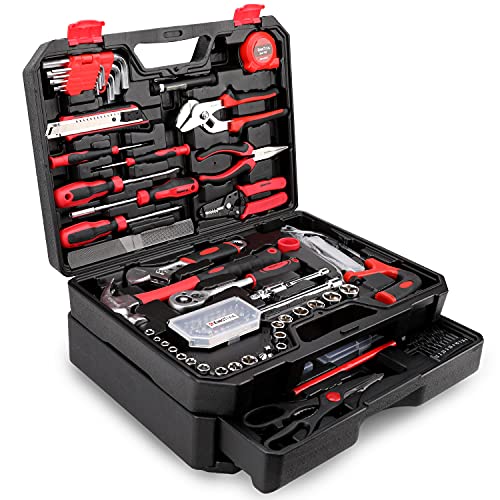
Explore our recommended tools and supplies below to get started with confidence. From sanding and painting gear to hardware upgrades, the right equipment makes every step easier.
View Recommended Tools