How Much Does It Cost to Completely Redo a Bathroom?
A complete bathroom redo is one of the most rewarding home improvement projects. This guide breaks down the real cost factors, budget tiers, material choices, and planning strategies so you can move forward with confidence.
Explore Cost FactorsUnderstanding bathroom renovation costs: A complete bathroom redo involves much more than new tiles and a fresh coat of paint. It combines demolition, plumbing, electrical work, waterproofing, fixtures, finishes, and labor. The final investment depends heavily on your choices, the size of the space, and your local labor market.
What a Complete Bathroom Redo Actually Includes
Before discussing cost factors, it helps to understand the full scope. A complete redo typically strips the bathroom down to the studs and rebuilds it from the inside out. This is different from a cosmetic refresh, where you might only replace a vanity or repaint the walls.
A full renovation usually covers:
- Demolition and removal of old fixtures, tiles, drywall, and flooring
- Plumbing rough-in for sinks, toilets, showers, and tubs
- Electrical work for lighting, exhaust fans, and outlets
- Waterproofing and subfloor preparation
- New drywall, cement board, and tile installation
- Fixtures and finishes such as vanity, toilet, shower, faucets, mirror, and lighting
- Painting, trim, and final cleanup
Because the scope is broad, the cost range is equally wide. A small hall bathroom with entry-level finishes sits at a very different tier than a spacious master bath with premium materials and custom features. If you are still deciding between a partial update and a full rebuild, reviewing guides on complete bathroom renovation costs can help you frame your expectations.
Key Factors That Drive Bathroom Redo Costs
No two bathroom renovations are priced the same. The following factors are the primary drivers of your total investment.
1. Bathroom Size
Square footage influences material quantities and labor hours. A smaller bathroom uses fewer tiles, less drywall, and less paint, which can reduce the total. However, small bathrooms sometimes cost more per square foot because the fixed costs for fixtures, plumbing rough-in, and labor are spread over a smaller area.
2. Layout Changes
Keeping the existing layout is one of the most effective ways to control costs. Moving the toilet, sink, or shower requires relocating plumbing lines, which adds labor and material expense. If your current layout works functionally, preserving it can significantly reduce the overall investment. For more specific guidance, see bathroom redo cost considerations.
3. Material and Fixture Tiers
Finishes are where budgets stretch or contract most dramatically. Entry-level ceramic tiles, stock vanities, and standard fixtures are budget-friendly, while natural stone, custom cabinetry, and designer fixtures sit at the premium and luxury tiers. The material tier you choose should align with your long-term plans for the home.
4. Labor and Contractor Rates
Labor is typically the largest share of a bathroom renovation budget. Rates vary by region, contractor experience, and project complexity. Licensed professionals for plumbing and electrical work are essential, and their fees reflect the specialized nature of the work. If you are comparing hiring options, understanding what contractors charge for bathroom remodels can help you evaluate bids fairly.
5. Structural and Hidden Issues
Older homes often reveal surprises once walls are opened — outdated wiring, water damage, mold, or corroded pipes. These issues add cost but are essential to address. A thorough inspection before the project begins can help you anticipate potential overruns.
Budget Tiers for a Complete Bathroom Redo
Because exact figures vary by region and material availability, it is more useful to think in terms of quality tiers. The following tiers describe what you can expect at each level of investment. These descriptors are relative and do not represent fixed amounts.
Budget-Friendly Refresh
Best for smaller bathrooms or when the goal is a clean, functional update without premium finishes.
- Stock vanity and standard fixtures
- Ceramic tile or resilient flooring
- Basic lighting and exhaust fan
- Standard paint and trim
- Minimal layout changes
Balanced Quality and Style
The most common tier for homeowners who want durable materials and a polished look.
- Semi-custom or quality stock vanity
- Porcelain tile with decorative accents
- Upgraded faucets and fixtures
- Recessed lighting and quality fan
- Waterproofing improvements
High-End Custom Renovation
For master bathrooms with custom layouts, premium materials, and designer details.
- Custom cabinetry and stone countertops
- Natural stone or large-format tile
- Designer fixtures and smart features
- Custom shower systems and soaking tubs
- Heated floors and advanced ventilation
Within these tiers, you can adjust individual elements to balance your priorities. For example, you might choose premium tile but keep the vanity at a mid-range tier. This flexibility is one of the advantages of planning a renovation carefully. If you are working with a smaller footprint, see small bathroom remodel cost insights for size-specific guidance.
Cost Breakdown by Component
The table below outlines the typical components of a complete bathroom redo and how each contributes to the overall investment. Percentages are approximate and vary by project.
| Component | Typical Share of Budget | What Influences It |
|---|---|---|
| Demolition & Disposal | Moderate | Access, debris volume, and local disposal fees |
| Plumbing & Electrical | Substantial | Layout changes, code upgrades, fixture complexity |
| Tile & Waterproofing | Substantial | Tile type, area coverage, waterproofing system |
| Vanity & Fixtures | Significant | Material tier, brand, custom vs. stock |
| Shower / Tub | Significant | Custom shower, freestanding tub, glass enclosures |
| Lighting & Ventilation | Moderate | Fixture count, smart features, exhaust requirements |
| Labor | Largest share | Regional rates, project duration, trade specialization |
| Finishing & Cleanup | Minor | Paint, trim, final touches |
How to Manage Your Bathroom Renovation Budget
Controlling costs does not mean sacrificing quality. It means making deliberate choices about where to invest and where to save.
Keep the Layout
Retaining the position of plumbing fixtures is one of the most effective cost-control measures. It reduces labor and avoids expensive rough-in changes.
Prioritize High-Use Items
Invest in the items you use daily — the shower, faucets, and toilet. These are the features that affect comfort and durability most directly. Decorative elements can be updated later more easily.
Mix Material Tiers
Combine premium elements with mid-range materials. A statement tile or a quality vanity can elevate the room while the surrounding finishes stay budget-conscious.
Get Multiple Bids
Obtaining several contractor estimates helps you understand the local market and identify fair pricing. Use a home renovation budget calculator to organize your numbers before you meet with contractors.
Plan for Permits and Inspections
Many bathroom renovations require permits, especially when plumbing or electrical work is involved. Factoring permit fees and inspection timelines into your plan prevents surprises. Reviewing bathroom redo cost guidance can help clarify what to expect.
DIY vs. Hiring Professionals
Some homeowners choose to handle demolition or painting themselves to reduce labor costs. However, plumbing, electrical, and waterproofing work should generally be handled by licensed professionals. Mistakes in these areas can lead to water damage, code violations, or safety hazards that cost far more to fix than the original labor savings.
If you decide to hire a contractor, selecting the right professional matters as much as the budget. Researching remodeling contractors near you and verifying licenses and insurance is essential. For broader guidance on finding qualified help, see home improvement contractor resources.
Ready to Plan Your Bathroom Renovation?
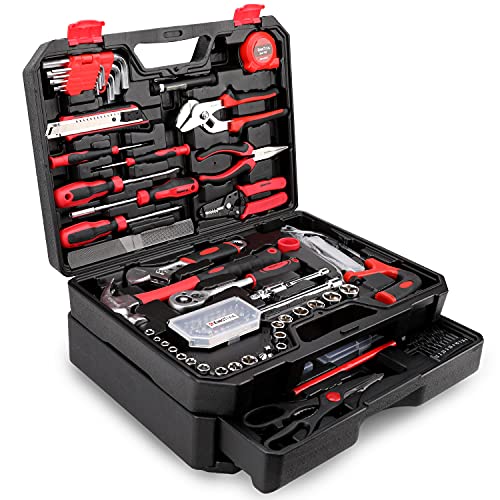
Explore our recommended tools and products to prepare for your project, from demolition essentials to finishing touches.
View Recommended ToolsFrequently Asked Questions
What factors most influence the cost of a complete bathroom redo?
The biggest cost drivers are the size of the bathroom, the quality tier of materials and fixtures, whether you relocate plumbing or electrical lines, and the labor rates in your area. Structural changes and custom features add significantly to the total.
Can I save money by keeping the existing bathroom layout?
Yes. Keeping the current layout for the toilet, sink, and shower avoids costly plumbing relocation and reduces labor time. This is one of the most effective ways to control a bathroom renovation budget.
How long does a complete bathroom redo usually take?
A full bathroom renovation typically takes two to five weeks depending on scope, material availability, and contractor scheduling. Projects involving structural changes or custom fabrication can take longer.
Is it cheaper to remodel a small bathroom or a large one?
Small bathrooms generally cost less overall because they use fewer materials and require less labor. However, the cost per square foot can be higher in small spaces due to fixed costs for fixtures and labor.
What is the most important part of a bathroom renovation budget?
Labor and plumbing/electrical work typically represent the largest portions. Allocating your budget toward quality workmanship in these areas ensures long-term durability and safety, which is more important than saving on hidden components.
For more detailed comparisons across project types, explore our guides on complete bathroom renovation costs, full bathroom renovation planning, and full bathroom remodel cost factors. If you are also considering a larger whole-home project, see complete home renovation costs to understand how bathroom work fits into the bigger picture.