
How Much Does It Cost to Add an Extra Bathroom?
A practical, tier-based guide to understanding the real cost drivers behind a new bathroom addition, so you can plan with confidence and avoid surprises.
EXPLORE COST FACTORSWhy this guide matters: Adding an extra bathroom is one of the most requested home improvements, but it is also one of the most misunderstood in terms of cost. The final figure is not a single number — it is the result of several interconnected decisions about location, plumbing, finishes, and labor. This guide breaks down those variables into clear, practical tiers so you can estimate your project with realistic expectations.
If you are researching this topic, you are likely in the planning phase: you know you need more bathroom capacity, but you are unsure how the numbers come together. That is exactly the right time to understand the structure of the cost. Unlike a simple fixture replacement, an extra bathroom touches plumbing, electrical, ventilation, framing, and finishes. Each of those systems has its own cost profile, and how they interact determines whether your project lands in the entry-level, mid-range, or premium tier.
Before diving into the breakdown, it helps to think of the project in two broad categories: the cost of the space itself (where the bathroom goes and what has to be built to support it) and the cost of the contents (fixtures, finishes, and fittings). Most budget overruns happen when homeowners focus on the visible contents and underestimate the invisible infrastructure. A bathroom that looks modest on the surface can still require significant plumbing and structural work behind the walls.
The Main Cost Factors
Six variables account for the majority of the variation between one bathroom addition and another. Understanding each one helps you see where your project is likely to sit on the cost spectrum.
1. Location & Plumbing Distance
The single biggest driver. A bathroom placed near existing supply and drain lines is far less expensive than one that requires long runs through finished spaces or a new trench.
2. Structural Work
Converting an existing room is different from building an addition. New foundations, framing, and roof work add substantial cost compared with repurposing existing square footage.
3. Fixtures & Finishes
Toilets, sinks, showers, tile, and cabinetry range from entry-level to luxury. This is the most controllable part of the budget and where tier choices become visible.
4. Ventilation & Electrical
A bathroom requires an exhaust fan, lighting, and GFCI-protected outlets. New circuits and ducting add cost, especially when the panel is far away.
5. Labor & Permits
Licensed plumbers, electricians, and general contractors are required in most jurisdictions. Permit fees and inspection schedules vary by location and add to the total.
6. Waterproofing & Moisture Control
Proper waterproofing in wet areas is non-negotiable. Skimping here leads to costly repairs later, so it should be treated as a fixed cost rather than an optional upgrade.
When you combine these factors, the practical question becomes: how do they translate into a project tier? The table below organizes common scenarios by quality level and structural complexity, using neutral tier descriptors rather than specific figures. This keeps the guidance useful regardless of regional pricing differences.
Project Tiers at a Glance
Use this table to locate your project. The tiers describe relative positioning, not absolute numbers. A mid-range project in one region may align with a different tier in another, so treat this as a planning framework rather than a quote.
| Project Scenario | Quality Tier | Typical Characteristics |
|---|---|---|
| Converting a closet or unused space near existing plumbing | Entry-Level | Compact footprint, standard fixtures, minimal structural change, short plumbing runs, basic tile and paint. |
| Finishing a basement or attic with a new bathroom | Entry-Level to Mid-Range | Requires new ventilation and possibly a sewage ejector pump; finishes are typically standard to mid-grade. |
| Adding a bathroom within the existing footprint, moderate plumbing relocation | Mid-Range | New wet wall, upgraded fixtures, custom vanity, porcelain tile, improved lighting and ventilation. |
| Full addition with new foundation, framing, and roofline | Mid-Range to Premium | Significant structural work, longer plumbing runs, full exterior finishing, higher labor and permit complexity. |
| Luxury primary bathroom with premium finishes and custom layout | Premium | Custom cabinetry, natural stone, heated floors, freestanding tub, smart fixtures, designer lighting. |
The jump between tiers is rarely linear. Moving from entry-level to mid-range often involves upgrading fixtures and finishes, which is a relatively predictable increase. Moving from mid-range to premium usually introduces custom fabrication, specialty materials, and more complex installation — all of which carry higher labor intensity and longer timelines.
Plumbing: The Hidden Budget Driver
Plumbing deserves its own section because it is the most common source of budget surprises. A new bathroom needs three things: a water supply line, a drain line, and a vent stack. Where those three elements already exist, the cost is manageable. Where they do not, the project can escalate quickly.
What makes plumbing expensive
- Distance from the wet wall: The farther the new bathroom is from existing supply and drain lines, the more pipe, labor, and wall repair are required.
- Slope requirements: Drain lines must maintain a consistent slope. In some locations, achieving that slope requires cutting into joists or raising the floor, which adds structural work.
- Venting: Every fixture needs proper venting to prevent sewer gas from entering the home. New vent runs through the roof or existing walls add cost.
- Access: Running plumbing through finished living spaces requires opening walls and ceilings, then restoring them. That restoration is part of the true cost.
Planning tip: If your goal is to control the budget, prioritize a location that shares a wall with an existing bathroom or kitchen. This single decision can move a project from a premium tier to a mid-range tier without compromising quality. For related bathroom renovation benchmarks, see our guide on what it costs to add a new bathroom and adding a bathroom upstairs.
Structural Work: Conversion vs. Addition
The difference between converting existing space and building a new addition is one of the largest cost divisions in the entire project. A conversion uses square footage that already has a floor, ceiling, and exterior walls. An addition creates all of those from scratch.
In a conversion, the main costs are plumbing extension, ventilation, electrical, and finishes. In an addition, you add foundation work, framing, roofing, siding, windows, insulation, and exterior finishing to the list. The infrastructure portion can easily represent a significant share of the total project, and it is largely invisible once the bathroom is complete.
If you are considering a larger structural project, it helps to understand how overall renovation costs scale. Our guides on complete home renovation costs and adding a room to a house provide broader context. For projects that specifically involve extending the footprint, see the cost to add an extension to a house.
Fixtures and Finishes: Where Tier Choices Become Visible
Once the infrastructure is in place, the visible elements determine the character of the bathroom and a meaningful portion of the budget. This is also the area where homeowners have the most control.
Entry-level choices
Standard toilets, basic vanities, prefabricated shower surrounds, ceramic tile, and builder-grade lighting. These products are widely available, easy to install, and reliable. They prioritize function over design and are well suited to secondary bathrooms, guest baths, and basement additions.
Mid-range choices
Comfort-height toilets, semi-custom vanities with solid-surface tops, porcelain tile with decorative accents, framed glass shower doors, and upgraded lighting. This tier typically offers better durability and a more cohesive design while keeping installation straightforward.
Premium choices
Custom cabinetry, natural stone surfaces, freestanding tubs, frameless glass enclosures, heated floors, and smart fixtures. These selections require skilled fabrication and installation, and they often extend the project timeline. The result is a bathroom that functions as a design feature rather than a utility space.
For a broader comparison of how these tiers apply to full renovations, see our guide on completely renovating a bathroom. If you are weighing a refresh against a full remodel, average bathroom remodel costs provide useful context on how scope affects tier placement.
Ventilation, Electrical, and Code Requirements
A bathroom is a high-moisture environment, and building codes treat it accordingly. An exhaust fan is required in most jurisdictions, and it must vent to the exterior — not into the attic. Lighting must be suitable for wet locations, and outlets must be GFCI-protected.
These requirements are not optional, and they are not areas where cutting corners pays off. A properly sized exhaust fan prevents mold and protects the structure. GFCI protection prevents electrical shock near water. New circuits may be needed if the existing panel does not have capacity, which adds electrical labor to the project.
If your project involves converting a basement space, additional considerations apply. Our guide on finishing a basement with a bathroom covers the specific challenges of below-grade plumbing and ventilation. For upstairs additions, upstairs bathroom costs address the structural and plumbing realities of second-floor installations.
Labor, Permits, and Professional Help
Most jurisdictions require permits for bathroom additions, particularly when new plumbing or electrical work is involved. Permits trigger inspections, which protect you as a homeowner but also add time and cost to the project. Working with licensed trades is not just a legal requirement in many areas — it is a practical safeguard for work that is largely hidden behind walls.
A general contractor typically coordinates plumbers, electricians, carpenters, and finishers. For smaller conversions, a handyman or specialized bathroom remodeler may be sufficient. The right choice depends on the scope of the project and the complexity of the trades involved. If you are comparing professional options, our guides on home remodeling contractors near you and home improvement contractors explain what to look for.
For homeowners who plan to manage the project themselves, a renovation budget calculator can help translate scope into a planning framework. Keeping a contingency reserve is essential — unexpected conditions behind walls are common in older homes.
Does Adding a Bathroom Increase Home Value?
An additional bathroom improves daily livability, especially in homes with a single bathroom or a busy household. From a resale perspective, the impact depends on local demand, the quality of the finished space, and how well the addition integrates with the rest of the home.
In general, a well-executed bathroom addition that matches the home's existing style tends to support value more effectively than a highly customized space that stands out from the rest of the house. Buyers respond to functional improvement and consistent design. If you are planning other improvements alongside the bathroom, our guide on home improvement projects that increase home value offers a broader view of which investments tend to perform well.
It is also worth checking whether your home value has already changed due to recent work. Our guide on how to know if your home value has increased explains the signals to look for before committing to a major addition.
How to Build a Realistic Budget
A realistic bathroom budget starts with the infrastructure, not the finishes. Begin by answering three questions: Where will the bathroom go? How far is it from existing plumbing? Does the structure already exist or does it need to be built? Those answers establish the floor of your budget. Finishes and fixtures then determine how far above that floor you want to go.
- Set a tier target early: Decide whether your project is entry-level, mid-range, or premium before you shop for fixtures. This prevents a mid-range infrastructure budget from being stretched by premium finishes.
- Reserve a contingency: Unexpected conditions behind walls are common. A contingency reserve protects the project from stalling mid-construction.
- Prioritize waterproofing: This is not a place to save. Proper waterproofing protects the entire investment.
- Compare professional quotes: Get multiple quotes that break out labor and materials separately, so you can compare like for like.
- Consider phasing: If the budget is tight, some finishes can be upgraded later. Infrastructure cannot.
If you are still deciding between a full remodel and a simpler addition, our guides on adding a small bathroom and extra bathroom costs provide additional comparison points. For a full-remodel perspective, see full bathroom remodel costs.
Plan Your Bathroom Addition With Confidence
Understanding the cost structure is the first step. The next is choosing the right fixtures and finishes for your tier.
VIEW RECOMMENDED PRODUCTSFrequently Asked Questions
What is the biggest cost driver when adding an extra bathroom?
Plumbing is typically the single largest cost driver. The farther the new bathroom is from existing supply and drain lines, the more labor and material are required to extend them, which can significantly increase the overall project cost.
Can I add a bathroom without moving major plumbing?
Yes. Placing a new bathroom directly above, below, or adjacent to an existing wet wall reduces the need to relocate drains and supply lines. This is one of the most effective ways to keep the project within a mid-tier budget.
Does a new bathroom increase home value?
A well-designed additional bathroom can add functional value and broad appeal, particularly in homes with only one bathroom. The return depends on local market conditions, the quality of finishes, and how well the new space integrates with the rest of the home.
How long does it take to add an extra bathroom?
A straightforward conversion or a bathroom added near existing plumbing may take a few weeks. A project that requires a new foundation, framing, and long plumbing runs can take several months. Timelines depend on permits, inspections, and material availability.
Final Thoughts
The cost to add an extra bathroom is best understood as a range shaped by location, plumbing, structure, and finish choices — not as a single figure. By evaluating your project through these lenses and assigning it to a tier, you can build a plan that is both realistic and resilient. Start with the infrastructure, protect the waterproofing, choose finishes that match your tier target, and keep a contingency reserve. With that framework in place, the numbers become manageable and the project becomes achievable.
Recommended Bathroom Fixtures & Plumbing Tools for Your New Bathroom
⚠️ AFFILIATE DISCLOSURE: This website contains affiliate links. As an Amazon Associate, we earn from qualifying purchases. If you make a purchase through these links, we may receive a small commission at no additional cost to you. Read our full affiliate policy.

DEWALT 20V MAX Cordless Drill and Impact Driver (DCK240C2) | Power Tool Combo Kit, Includes 2 Batteries, Charger and Bag
Check price on Amazon
Laser Level Line Tool, Multipurpose Laser Level Kit Standard Cross Line Laser leveler Beam Tool with Metric Rulers 8ft/2.5M for Picture Hanging cabinets Tile Walls by AikTryee.
Check price on Amazon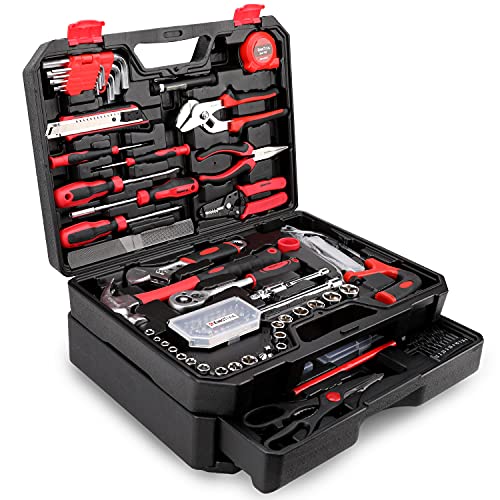
KingTool 325 Piece Home Repair Tool Kit, General Home/Auto Repair Tool Set, Toolbox Storage Case with Drawer, General Household Tool Kit - Perfect for Homeowner, Diyer, Handyman
Check price on Amazon
Fanttik A10 Pro 2-in-1 Digital Laser Tape Measure for Distance/Area/Volume | with HD IPS Color Display, 165Ft Rechargeable Laser Measurement Tool & 9.8Ft Measuring Tape, 6 Units Selectable
Check price on Amazon
PetOde 2Pcs Dryer Vent Cleaner Kit Universal Vacuum Hose Attachment & Brush | Blue Upgraded Flexible Hose for Smooth Airflow Without Whistling Noise, Fits Most Vacuums for Deep Cleaning
Check price on Amazon
YNZDRWA 8 Pack Sanding Sponge, 60/80/120/220 Grit Sanding Blocks Assortment | Washable and Reusable Sandpaper Block for Drywall Wood Metal Furniture
Check price on Amazon
Rerdeim 5Pcs Putty Knife, Set, 1" 2" 3" 4" 5" Scraper, Spackle Knife, Paint Scraper, Scraper Tool, No Rusting, Perfect For Repairing Drywall, Removing Wallpaper, Mud, Plaster Scraping
Check price on Amazon