Home Gym Guide: Build Your Ultimate Home Fitness Space
Everything you need to plan, equip, and set up a home gym that fits your space, your goals, and your lifestyle — from choosing the right equipment to designing a workout area you'll actually use.
Why Build a Home Gym? A home gym eliminates commute time, membership fees, and scheduling conflicts. It gives you 24/7 access to your workout space, complete privacy, and the ability to train exactly how you want. Whether you're a beginner setting up your first fitness corner or an experienced lifter building a full strength studio, this guide walks you through every decision — from space planning and flooring to equipment selection and organization.
What You'll Learn in This Guide
Space Planning: Finding the Right Spot
The first step in building a home gym is identifying where it will live. The ideal space depends on your training style, available square footage, and how much noise and vibration your workouts will generate. A garage gym offers unmatched space and durability, while a spare bedroom or basement corner can work well for cardio and lighter strength training. If you're planning larger structural changes to accommodate your gym, such as converting a garage or adding a dedicated room, consult resources on garage renovations and home additions to understand the scope of work involved.
Garage Gym
Best for heavy lifting, power racks, and large cardio machines. Garages offer high ceilings, concrete floors, and direct ventilation. However, they require insulation, climate control, and moisture management. If your garage needs structural work before conversion, look into garage finishing and garage remodeling services to get it gym-ready.
Basement Gym
Basements provide stable temperatures and natural sound isolation — ideal for free weights and cardio. Watch for ceiling height (especially for overhead presses and pull-ups) and moisture. A dehumidifier and rubber flooring are essential. If your basement needs finishing or repair, consider professional home remodeling guidance before installing equipment.
Spare Room or Bedroom Gym
Perfect for yoga, stretching, dumbbell workouts, and compact cardio machines. Bedrooms require careful floor protection and noise consideration. Use interlocking foam tiles and keep heavy drops to a minimum. This setup works best with adjustable dumbbells, resistance bands, and a foldable bench.
Living Area or Multi-Use Space
For small homes or apartments, a corner of a living room can become a functional fitness zone. Choose equipment that stores easily — resistance bands, a folding treadmill, or a compact rowing machine. Use a room divider or screen to define the space and keep it visually separate from living areas.
Flooring and Soundproofing
Your gym floor takes a beating — dropped weights, heavy footfalls, and moving equipment. The right flooring protects your subfloor, reduces noise, and creates a safe training surface. For general flooring installation guidance, see flooring installation resources. For home gyms specifically, rubber is the gold standard.
Rubber Gym Flooring
Interlocking rubber tiles or rolled rubber are the best all-around choice. They absorb impact, resist moisture, and protect dropped weights. Thickness matters: 3/8-inch works for cardio and light weights; 1/2-inch or thicker is better for heavy lifting and Olympic lifts. Rubber also dampens sound, making it ideal for basements and garages.
Foam Tiles
Budget-friendly and comfortable for bodyweight workouts, yoga, and stretching. Foam tiles are softer underfoot but compress over time under heavy equipment. They're best for dedicated cardio or floor-work zones rather than free-weight areas. Look for high-density EVA foam for better durability.
Horse Stall Mats
A popular choice for garage gyms, horse stall mats are thick, durable, and relatively affordable. They're heavy and difficult to cut, but they handle dropped barbells with ease. Use them under power racks and deadlift platforms. They have a strong rubber odor initially, so air them out before installation.
Soundproofing and Vibration Control
Beyond flooring, consider vibration isolation pads under treadmills and rowers. For basement or second-floor gyms, add acoustic panels to walls and seal gaps around doors. If noise is a major concern, plan your gym away from shared walls or bedrooms, and schedule heavy lifting during reasonable hours.
Equipment Selection by Tier
Home gym equipment varies widely in build quality, durability, and features. To help you choose without relying on prices, we've organized equipment into four universal tiers. Use these descriptors to compare products consistently across categories — from dumbbells to treadmills.
| Tier | Best For | Key Characteristics |
|---|---|---|
| Entry-Level | Beginners, light use, small spaces | Basic construction, lighter weight capacities, simpler mechanisms. Good for walking, light dumbbell work, and bodyweight training. May need replacement sooner under heavy use. |
| Mid-Range | Regular home users, moderate training | Improved build quality, smoother operation, better warranties. Suitable for consistent cardio and moderate strength training. Often offers adjustable features and better stability. |
| Premium | Serious lifters, daily training | Commercial-grade materials, higher weight capacities, advanced features. Built to withstand heavy daily use with minimal maintenance. Often found in boutique studios and serious home gyms. |
| Luxury | Dedicated fitness enthusiasts, full studios | Top-tier craftsmanship, integrated technology, personalized fit and finish. Designed for longevity and premium user experience. Typically includes smart features, custom upholstery, and extended warranties. |
Essential Equipment for Every Home Gym
You don't need a commercial gym's worth of machines to get a great workout. Start with versatile, foundational equipment and expand as your goals evolve. For tool recommendations that help with assembly and maintenance, browse our hammers and mallets guide — useful for assembling racks and benches.
Strength Training Essentials
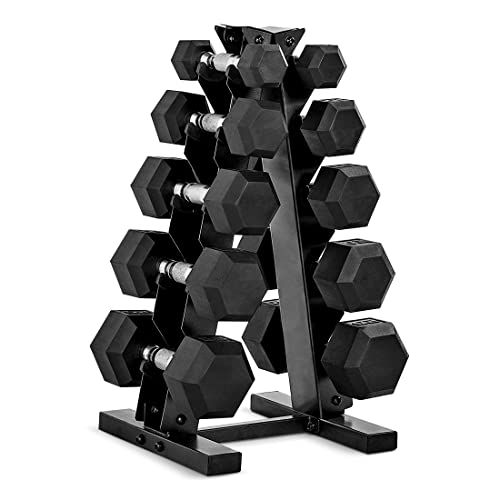
- Adjustable Dumbbells: The most space-efficient strength tool. Mid-range adjustable dumbbells offer smooth dial or pin changes; premium models feel closer to fixed dumbbells in balance and grip.
- Adjustable Bench: A flat/incline/decline bench unlocks dozens of exercises. Look for a stable base and a weight capacity that exceeds your heaviest lifts. Premium benches have denser padding and better locking mechanisms.
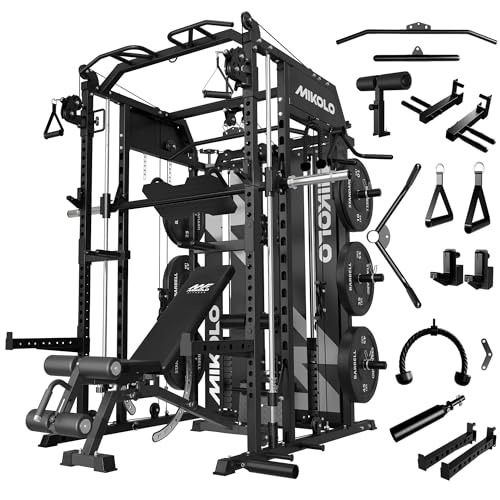
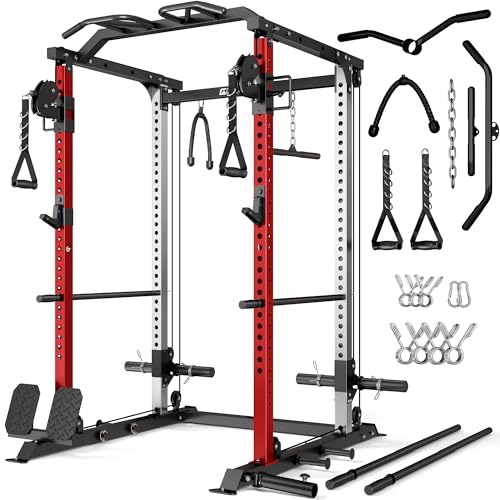
- Power Rack or Squat Stand: Essential for safe solo barbell training. Mid-range racks offer solid steel construction; premium racks add Westside hole spacing, multi-grip pull-up bars, and weight storage.
- Barbell and Weight Plates: A standard Olympic barbell (45 lb / 20 kg) and bumper plates are the foundation of strength training. Entry-level plates are fine for beginners; premium calibrated plates are for serious lifters.
- Resistance Bands: Affordable, portable, and versatile. Use them for warm-ups, mobility work, and adding resistance to bodyweight exercises. A set of loop bands covers most needs.
Cardio Equipment
- Treadmill: Best for walking, jogging, and interval training. Mid-range treadmills offer better cushioning and motor durability; premium models include incline training and smart connectivity.
- Rowing Machine: A full-body, low-impact cardio option. Air resistance rowers feel more natural; magnetic rowers are quieter — important for apartments and shared spaces.
- Stationary Bike: Upright bikes suit interval training; recumbent bikes are easier on the back. Spin bikes with heavier flywheels provide a more road-like feel.
- Jump Rope: A tiny, highly effective cardio tool. Speed ropes with ball bearings spin faster and smoother than basic models.
Floor Work and Recovery
- Yoga Mat or Exercise Mat: A thicker mat (6–8mm) cushions joints for floor work; a thinner mat (3–5mm) provides better stability for standing poses.
- Foam Roller: Essential for post-workout recovery and mobility. High-density foam lasts longer; textured rollers provide deeper tissue pressure.
- Kettlebells: A single mid-range kettlebell (or a pair) enables swings, carries, and functional strength work. Premium kettlebells have smooth handles and consistent casting.
- Pull-Up Bar: A doorway bar works for renters; a wall-mounted or ceiling-mounted bar is more stable for frequent use. Ensure it's rated for your weight and mounted into studs.
Layout and Organization Tips
A well-organized gym is safer and more enjoyable to use. Group equipment by function, keep walkways clear, and store accessories within arm's reach. If you're setting up your gym in a finished space, consider improvements that increase home value — a well-designed home gym is an attractive feature to buyers. See our guide on home improvement projects that increase home value for more ideas.
Zone Your Space
Divide your gym into functional zones: a strength zone (rack, bench, barbell), a cardio zone (treadmill, bike, rower), and a floor-work zone (mat, bands, foam roller). This prevents clutter and keeps traffic flow safe.
Wall Storage
Use wall-mounted racks for dumbbells, kettlebells, and resistance bands. Hang a pegboard for accessories like jump ropes, straps, and lifting belts. Keep heavy items low to reduce injury risk when retrieving them.
Mirror Placement
Mirrors help you check form and make a small gym feel larger. Install them on a wall facing your main lifting area — but avoid placing them where sunlight will create glare during workouts.
Accessory Organization
Use bins or baskets for small items like chalk, resistance bands, and jump ropes. Label storage areas so you can find what you need quickly and put it back after use. A tidy gym encourages consistent training.
Ventilation, Lighting, and Comfort
A gym that's too hot, too dark, or poorly ventilated becomes a space you avoid. Comfort directly affects how often you train. If your gym is in a basement or garage, invest in proper airflow and temperature control before adding equipment.
Ventilation
Garages and basements need active ventilation. Install an exhaust fan or use a portable air circulator to keep air moving. High humidity in basements can rust equipment and encourage mold — a dehumidifier is essential. For garage gyms, consider a mini-split system for heating and cooling.
Lighting
Bright, even lighting improves safety and motivation. LED shop lights are affordable and provide excellent coverage. Avoid single-bulb fixtures that create harsh shadows. If your gym has windows, use blinds or curtains to control glare during morning or evening workouts.
Temperature Control
You'll warm up quickly during workouts, but cold muscles are injury-prone. A space heater or portable AC keeps the gym usable year-round. In garages, insulation makes a dramatic difference in comfort and energy efficiency.
Sound and Music
A Bluetooth speaker is a simple way to bring energy into your workouts. For shared walls, keep volume moderate and consider noise-canceling headphones. Acoustic panels can reduce echo in hard-surfaced rooms.
Safety Considerations
Home gym safety starts with equipment setup and space management. A few precautions prevent most common injuries and accidents.
- Anchor Heavy Equipment: Secure power racks, cable machines, and tall storage units to the wall or floor. Never rely on gravity alone to keep a rack stable during heavy lifts.
- Use Safety Arms and Spotter Arms: If you lift alone, a power rack with adjustable safety arms is non-negotiable. Set them just below your lowest rep position.
- Check Weight Capacities: Every bench, rack, and pull-up bar has a weight limit. Stay well within it — especially during dynamic movements like kipping pull-ups or dropped weights.
- Keep the Floor Clear: Store loose plates, dumbbells, and accessories off the floor when not in use. Tripping hazards are the most common home gym injury.
- Inspect Equipment Regularly: Check bolts, cables, and welds on racks and machines monthly. Replace worn resistance bands and frayed cables immediately.
- Plan for Emergency Access: Keep a phone within reach and know how to exit the gym safely if you're injured. If you train alone, tell someone your workout schedule.
Frequently Asked Questions
How much space do I need for a home gym?
A functional home gym can fit in as little as 50–100 square feet for cardio and dumbbell training. For a power rack, bench, and barbell setup, plan for at least 10 x 10 feet (100 square feet) with 8-foot ceilings. Always leave 3–4 feet of clearance around large equipment for safe loading and movement.
What equipment should I buy first?
Start with adjustable dumbbells and an adjustable bench — they cover the widest range of exercises for beginners. Add resistance bands for warm-ups and mobility. If you plan to lift heavy, invest in a power rack and barbell set early to train safely without a spotter.
Is a garage gym better than a basement gym?
It depends on your priorities. Garages offer more space and ventilation but require insulation and climate control. Basements provide stable temperatures and sound isolation but may have low ceilings and moisture issues. Both can work well with the right preparation — see our notes on garage remodeling and basement finishing for details.
How do I soundproof a home gym?
Start with rubber flooring to absorb impact noise. Add acoustic panels to walls, seal gaps around doors, and use vibration isolation pads under treadmills and rowers. For basement or second-floor gyms, these steps make a significant difference in reducing noise transfer to other rooms.
Do I need a permit to build a home gym?
In most cases, no permit is required for setting up equipment in an existing room. However, structural changes — such as finishing a garage, adding a room, or installing new electrical circuits — often require permits. Check our home renovation permit guide for general guidance, and always confirm with your local building department.
How can I organize a small home gym?
Use vertical storage: wall-mounted racks for dumbbells and kettlebells, pegboards for accessories, and ceiling hoists for bikes or kayaks. Choose foldable or adjustable equipment that stores compactly. Mirrors and bright lighting make small spaces feel larger and more inviting.
Ready to Equip Your Home Gym?
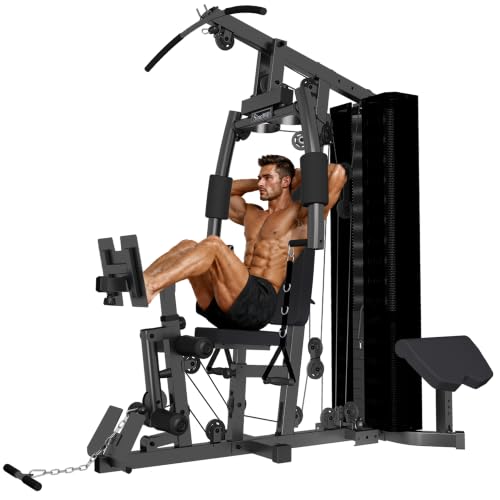
Explore our curated selection of home gym equipment below. From entry-level essentials to premium strength gear, find the right tools for your space and your training goals.
Browse Recommended Equipment