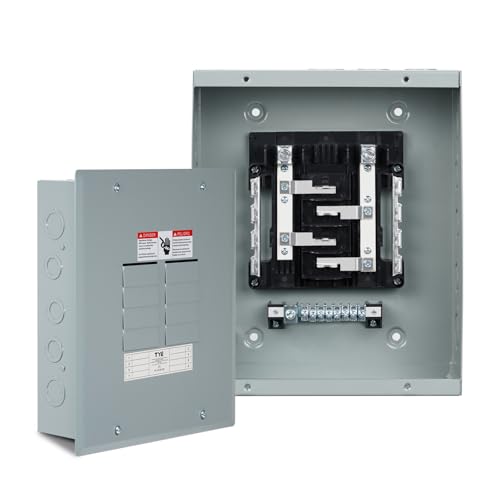
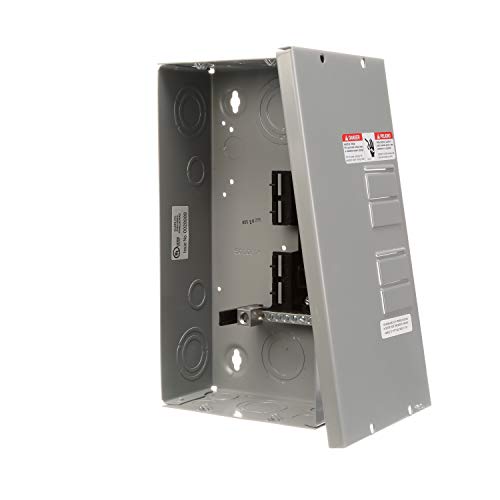
Electrical Panel for House: The Ultimate Guide
Understanding your home's breaker box, types, costs, and upgrade signs.
Shop Recommended PanelsYour home's electrical panel is the heart of its electrical system. It distributes power to every room and protects your home from overloads and short circuits. Whether you're building a new home, renovating an existing one, or simply experiencing flickering lights, understanding your electrical panel is essential for safety and performance.
What is an Electrical Panel?
An electrical panel (also known as a breaker box, fuse box, or distribution board) is a metal box that houses circuit breakers or fuses. It receives power from your utility company and divides it into separate circuits that supply electricity to different areas of your home. Each circuit is protected by a breaker that trips (or a fuse that blows) when a fault or overload occurs, preventing electrical fires and damage to appliances.
Modern homes typically have a 100-amp, 150-amp, or 200-amp service panel. The amperage determines how much electricity your home can safely handle. If you're adding a home theater, a home gym, or heavy appliances like an EV charger, you may need a panel upgrade.
Types of Electrical Panels
Main Breaker Panel
The primary panel that controls all circuits in the house. Includes a main disconnect breaker.
Sub-Panel
A smaller panel fed from the main panel, used for detached garages, workshops, or additions.
Fuse Box
Older panels with screw-in fuses. Common in homes built before 1960. Limited capacity and less safe.
Smart Panel
Modern panels with integrated monitoring, remote control, and energy management features.
When to Upgrade Your Electrical Panel
- Frequent breaker trips – indicates your panel is overloaded.
- Flickering or dimming lights – especially when appliances start up.
- Old fuse box – if your home still uses a fuse panel, it's time to upgrade.
- Planning major renovations – adding a kitchen remodel, bathroom remodel, or home addition may require a larger panel.
- Using extension cords frequently – indicates you don't have enough outlets on existing circuits.
- Your panel is a brand known for safety issues (e.g., Federal Pacific, Zinsco).
Electrical Panel Cost & Sizing Guide
| Panel Size | Typical Amp Rating | Average Cost (Installed) | Best For |
|---|---|---|---|
| Small Home | 100 Amps | $1,200–$2,000 | Small homes, condos, no central AC or electric appliances. |
| Standard Home | 150 Amps | $1,800–$2,800 | Average 3-bedroom home with central AC and electric kitchen. |
| Large Home / Modern | 200 Amps | $2,500–$4,000 | Large homes, EV chargers, workshops, multiple AC units. |
| Premium / Smart | 200+ Amps | $4,000+ | Smart homes, full electric, backup generators. |
Prices vary based on local labor rates, panel brand, and complexity of the installation. Always get multiple quotes from licensed electrical services near you.
Safety & Code Requirements
⚡ Important: Electrical work is dangerous and requires permits. Always hire a licensed electrician for panel installation or upgrades. The National Electrical Code (NEC) requires panels to be easily accessible, with clear working space (30 inches wide, 36 inches deep).
Key safety tips:
- Never touch the panel with wet hands or while standing on a wet surface.
- Label all breakers clearly so you know which circuit controls which area.
- If a breaker trips frequently, don't just reset it – investigate the cause.
- Consider a whole-house renovation or home renovation plan to assess your electrical needs holistically.
Choosing the Right Panel for Your Home
When selecting a new electrical panel, consider these factors:
- Ampacity – Calculate your current and future electrical load. A 200-amp panel is the gold standard for most modern homes.
- Brand reputation – Stick with reliable brands like Square D, Eaton, Siemens, or GE.
- Type of breakers – Standard, AFCI (arc-fault), GFCI (ground-fault), or combination.
- Warranty – Look for at least a 10-year warranty on the panel.
- Smart features – If you want energy monitoring, consider a smart panel.
For most homeowners, a 200-amp panel with a mix of AFCI and GFCI breakers is the best investment. If you're planning a kitchen remodeling or home addition, upgrading your panel before the project can save you headaches later.
Ready to Upgrade Your Electrical Panel?
Browse our top recommended panels below. Each product is vetted for quality, safety, and value. Remember, installation should always be performed by a licensed electrician.
View Recommended Panels