Why Drywall Repair Matters for Your Home
Drywall—also known as sheetrock or gypsum board—forms the interior walls and ceilings of most modern homes. When it's damaged, the consequences go beyond mere aesthetics. Cracks, holes, and water stains can compromise your home's energy efficiency, invite mold growth, and even signal deeper structural issues that require immediate attention.
Searching for "drywall repairs near me" is often the first step homeowners take when they notice wall damage. Whether you're dealing with a doorknob hole, a hairline crack above a doorway, or extensive water damage from a leak, addressing the problem promptly protects your property value and your family's health. For those planning broader home improvements, understanding how drywall fits into the larger picture is essential—similar to how you'd approach do-it-yourself home repair projects with proper planning.
Timely repairs also prevent small issues from escalating. A minor crack can become a major section replacement if water infiltration continues unchecked. If you're already considering larger renovations alongside your wall repairs, resources like our guide on the cost of renovating a house can help you budget effectively and prioritize which projects deliver the most value.
Common Types of Drywall Damage and Their Causes
Before you search for drywall repairs near you, it helps to identify the specific type of damage you're dealing with. Each category requires a different repair approach, and understanding the root cause prevents recurrence.
1. Small Holes and Dents
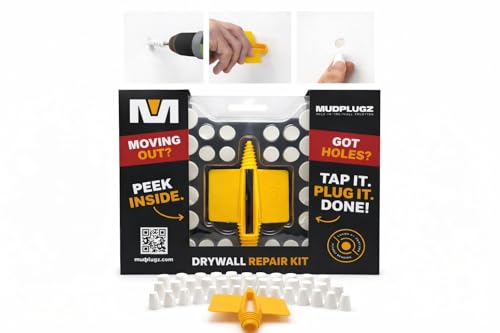
These are the most common drywall issues—often caused by doorknobs, furniture corners, or accidental impacts. Small holes (under 1 inch) are straightforward DIY fixes using spackle or joint compound. Dents from furniture can often be filled without cutting into the wall.
2. Cracks
Hairline cracks frequently appear around door frames, window corners, and ceiling joints due to settling or thermal movement. While often cosmetic, recurring cracks can indicate foundation movement or moisture problems. For homes in older neighborhoods or after major weather events, it's worth checking whether broader do-it-yourself home improvement projects might address underlying issues.
3. Large Holes
Holes larger than 4 inches—whether from plumbing access, removal of fixtures, or accidental damage—require a patch kit or section replacement. These repairs demand more skill to achieve an invisible finish.
4. Water Damage
Water stains, bubbling paint, and soft spots indicate moisture intrusion. This is the most serious category because it often involves mold and structural compromise. Professional assessment is strongly recommended before attempting repairs. If your water damage stems from plumbing issues, our guide on fixing leaky faucets can help you address the source.
5. Ceiling Damage
Ceiling drywall repairs are more challenging due to gravity and access. Sagging or cracked ceilings may signal roof leaks or insufficient support—issues best evaluated by professionals.
6. Popcorn Ceiling and Texture Damage
Older homes with textured ceilings require specialized techniques to blend repairs. Matching texture is an art form that experienced drywall contractors master.
DIY vs. Professional Drywall Repair: Making the Right Choice
One of the most common questions homeowners ask is whether they should tackle drywall repairs themselves or hire a professional. The answer depends on the damage extent, your skill level, and your comfort with the tools involved.
DIY Drywall Repair
- Best for: Small holes, minor cracks, dents, and nail pops
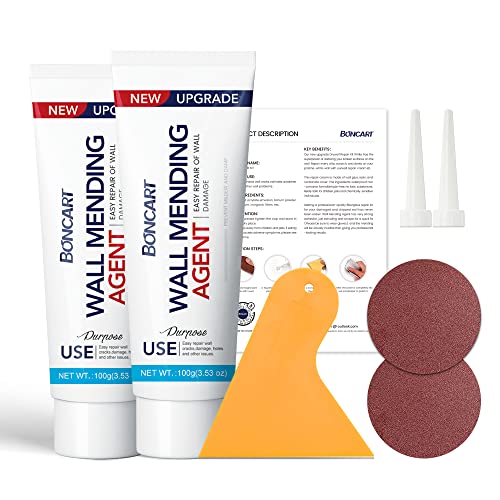
- Tools needed: Joint compound, putty knife, sandpaper, drywall patch, primer, paint
- Skill level: Beginner to intermediate
- Time investment: A few hours to two days (including drying time)
- Advantages: Budget-friendly, flexible scheduling, learning opportunity
- Risks: Visible seams, inadequate sanding, recurring cracks if root cause isn't addressed
Professional Drywall Repair
- Best for: Large holes, water damage, ceiling repairs, texture matching, extensive damage
- Tools needed: All provided by contractor (including dust control, professional taping tools, texture sprayers)
- Skill level: Expert
- Time investment: Same day to several days depending on scope
- Advantages: Seamless finish, warranty, correct diagnosis of underlying issues
- Risks: Higher cost, scheduling dependency, quality varies between contractors
For homeowners planning broader improvements alongside drywall repairs, understanding the scope of a full home renovation can inform whether it's more efficient to bundle repairs with larger projects. If your walls are damaged due to a plumbing or structural issue, addressing the root cause first—whether that's a leaky faucet or larger plumbing work—is essential before cosmetic repairs.
For small, isolated damage, DIY is often the most practical and budget-friendly choice. However, if you're uncomfortable with sanding, taping, or matching textures, or if the damage is extensive, hiring a professional ensures a factory-smooth finish and protects your home's value.
How to Find Reliable Drywall Repairs Near You
When you search for "drywall repairs near me," the results can feel overwhelming. Here's a systematic approach to finding a qualified, trustworthy contractor in your area.
Step 1: Use Multiple Search Sources
Don't rely on a single platform. Cross-reference results from:
- Google Maps and local search: Look for businesses with consistent names and verified addresses
- Angi, HomeAdvisor, and Thumbtack: Review platforms with vetted contractor listings
- Local Facebook groups and Nextdoor: Neighbor recommendations are often the most honest
- Yelp and BBB: Pay attention to response patterns, not just star ratings
Step 2: Verify Credentials
Before inviting anyone to your home, confirm:
- License: Many states require drywall contractors to hold a general contractor's license or specialty license
- Insurance: Ask for a certificate of liability insurance and workers' compensation coverage
- Business registration: Check your state's business registry to confirm the company is legitimate
Step 3: Read Reviews Strategically
Look for reviews that mention specific details—punctuality, cleanliness, how they handled problems, and final finish quality. Three to five recent, detailed reviews are worth more than fifty generic five-star ratings. Pay attention to how the contractor responds to negative reviews; professionalism in adversity speaks volumes.
Step 4: Request Multiple Quotes
Get at least three written estimates for the same scope of work. Quotes should include:
- Detailed description of work to be performed
- Materials to be used (brands and types)
- Timeline and payment schedule
- Warranty terms
- Clean-up responsibilities
Step 5: Check Local Licensing Databases
Most states maintain online databases where you can verify a contractor's license status and disciplinary history. Spend ten minutes on your state's licensing board website—it's worth the effort.
Essential Questions to Ask Before Hiring a Drywall Contractor
When you've narrowed your list to a few candidates, use these questions to assess their expertise and reliability:
| Question | What to Look For |
|---|---|
| How long have you been repairing drywall in this area? | Local experience means familiarity with common regional issues like humidity, settling, and building codes |
| Will you handle the painting too, or just the drywall repair? | Some contractors offer complete wall restoration including primer and paint—this saves you coordination effort |
| What's your warranty on the repair? | Reputable contractors offer at least a one-year workmanship warranty |
| How do you handle dust containment? | Professional crews use plastic barriers, HEPA vacuums, and floor protection—especially important for occupied homes |
| Can you match my existing wall texture? | Texture matching is a skill—ask to see examples of their work on similar textures |
| What's your timeline and payment schedule? | Reasonable schedules include milestones, with final payment due after inspection and approval |
| Will you pull any necessary permits? | For structural repairs or large-scale replacements, permits may be required—a professional will know |
Step-by-Step DIY Drywall Repair Guide (Small to Medium Damage)
For homeowners tackling small to medium drywall repairs themselves, follow this proven process. Note that this guide covers repairs up to about 6 inches in diameter—larger damage or water-damaged sections should be professionally assessed.
- Assess and Prepare Examine the damage carefully. Is it a clean hole, or is the surrounding drywall crumbling? Is there any sign of moisture? If water damage is present, stop and call a professional—mold and structural issues need expert attention.
- Gather Materials You'll need: drywall patch or a piece of scrap drywall, joint compound (lightweight is easiest for beginners), a 4-inch and 6-inch putty knife, sanding sponge (medium and fine grit), drywall tape, primer, and matching paint.
- Clean the Area Remove loose drywall, dust, and any protruding paper. For holes, cut the edges clean with a utility knife to create a square or rectangular shape—this makes patching easier and more secure.
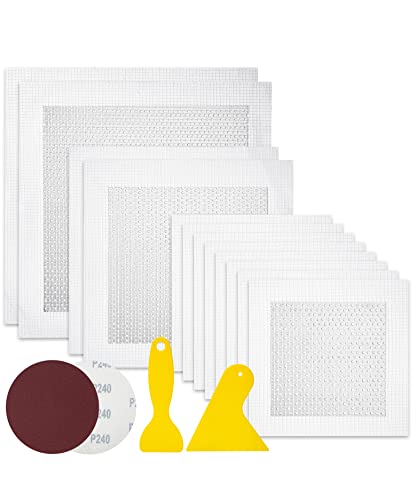
- Apply the Patch For small holes (under 2 inches), apply joint compound directly, then press a self-adhesive mesh patch over the area. For larger holes, cut a drywall patch slightly smaller than the opening, apply compound around the edges, press the patch in, and tape the seams.
- Apply First Coat of Compound Using a 4-inch knife, spread joint compound over the patch and tape. Feather the edges outward. Don't worry about perfection—this is just the base coat.
- Let Dry and Sand Allow the compound to dry completely (typically 4-8 hours depending on humidity). Sand lightly with a medium-grit sponge, focusing on high spots and edges. Wipe away dust.
- Apply Second and Third Coats Apply a second, thinner coat, extending the feathered edges further out. Let dry, sand lightly, and apply a third coat if needed for a smooth transition. Each coat should be wider than the previous one.
- Final Sanding and Primer Once the final coat is dry, sand with fine-grit until the surface is smooth and the patch is invisible. Wipe clean, then apply a drywall primer to seal the compound.
- Paint to Match Apply matching paint using the same finish (matte, eggshell, etc.) as the surrounding wall. If the paint is older and faded, you may need to paint the entire wall section for a seamless blend.
For projects that go beyond cosmetic repair—such as remodeling a basement or converting a room—proper drywall work is just one piece of the puzzle. Our guides on drywalling a basement and drywall installation provide deeper coverage for larger-scale projects. If you're planning a comprehensive update to your living space, understanding the broader context through resources like do-it-yourself home renovation can help you sequence projects effectively.
Preventing Future Drywall Damage
Once your walls are repaired, take steps to prevent recurring issues:
Control Humidity
Moisture is drywall's worst enemy. Maintain indoor humidity between 30-50% using dehumidifiers in basements and proper ventilation in bathrooms and kitchens. For homes with chronic moisture issues, addressing drainage and waterproofing is essential—similar to the principles in our drainage solutions guide.
Install Door Stops
The humble doorstop prevents the most common cause of drywall damage—doorknob impacts. Install wall-mounted or hinge-mounted stops on every interior door.
Address Plumbing Issues Promptly
Slow leaks behind walls can cause extensive drywall damage before you notice. Regularly inspect under sinks, around water heaters, and behind washing machines. Fix small plumbing issues before they become wall-sized problems—our guide on fixing leaky faucets covers one common culprit.
Monitor Settling Cracks
New hairline cracks aren't always emergencies, but they should be watched. If a crack grows wider than a credit card within a few months, or if it appears diagonal around door frames, consult a structural professional.
Use Wall Protection in High-Traffic Areas
Consider wainscoting, chair rails, or wall protection panels in hallways and kids' rooms. These add character while defending against daily wear.
Seasonal Inspection
Check walls after major weather events, especially after heavy rain or temperature swings. Early detection of water damage can save thousands in repair costs and prevent mold growth.
Frequently Asked Questions About Drywall Repairs Near Me
Drywall repair costs vary widely based on damage extent, location, and whether you hire a professional or DIY. Small patch jobs fall into the entry-level range, while large-scale repairs or water damage restoration are in the mid-range to premium tier. Professional contractors charge more than DIY but offer warranties and quality assurance. When comparing quotes, focus on the scope of work rather than just the bottom-line figure—a quote that includes proper dust containment, primer, and paint is more valuable than a low estimate that leaves you to handle those details.
Yes, small drywall repairs like nail holes, minor cracks, and small dents are excellent DIY projects. However, large holes (over 6 inches), water-damaged sections, and ceiling repairs are best left to professionals. If you're uncomfortable with sanding, taping, or texture matching—or if the repair involves any sign of moisture—hiring a pro ensures a seamless finish and protects your home's value. When in doubt, consult a professional for an assessment; many offer free estimates and can advise whether DIY is appropriate.
Small patches can be completed in a few hours of active work, but proper drying time between coats of joint compound typically extends the project to one or two days. Larger repairs involving drywall replacement may take several days to a week, depending on the scope and drying conditions. Professionals often use setting-type compounds that dry faster, but quality work shouldn't be rushed. Plan for at least 24 hours after the final coat before painting, and longer in humid conditions.
Drywall repair addresses localized damage—holes, cracks, dents, and stains—on existing walls. Drywall installation refers to hanging and finishing new drywall sheets, either for new construction or after major removal. Installation is more labor-intensive and typically requires professional expertise. For larger renovation projects, understanding the difference matters: repair is often a same-day job, while installation is part of a broader construction timeline. Our guide on drywall installation covers the full process for those planning major projects.
Most cosmetic drywall repairs—patching holes, fixing cracks, repainting—do not require permits. However, if the repair involves structural changes, moving electrical outlets, or large-scale replacement (such as after water damage or remodeling), permits may be required. Your contractor should know local requirements and handle permitting as part of the project. If you're combining drywall repair with larger renovations, check with your local building department early in the planning process.
Start with personal recommendations from neighbors and local community groups, then cross-reference with online reviews on platforms like Google Maps, Angi, and Yelp. Verify licensing and insurance before inviting anyone to your home. Get at least three written quotes and ask the questions outlined in our contractor questions section above. Look for contractors who specialize in drywall—a general handyman may be able to patch a hole, but complex repairs or texture matching benefit from a drywall specialist's expertise.