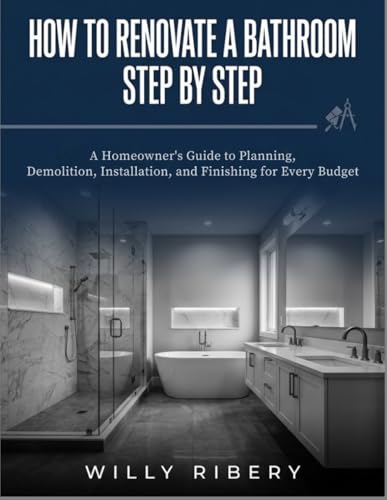
Average Cost to Renovate Your Bathroom: A Complete Planning Guide
Understand what drives bathroom renovation costs, compare budget tiers, and learn how to plan a remodel that fits your goals without surprises.
Explore Budget TiersWhy this guide matters: A bathroom renovation is one of the most rewarding home improvements you can make, but it is also one of the most misunderstood when it comes to budgeting. Homeowners researching the average cost to renovate a bathroom often find wildly different figures, because "renovation" can mean anything from a weekend paint refresh to a full gut remodel with relocated plumbing. This guide breaks down the real variables so you can estimate your project with confidence and avoid the most common budget traps.
Bathroom Renovation Budget Tiers Explained
Rather than quoting a single figure that will not apply to your specific situation, it helps to think in terms of quality tiers. Most bathroom projects fall into one of three broad categories. Use these descriptors to position your own project on the spectrum.
Cosmetic Refresh
This tier focuses on surface updates: fresh paint, a new vanity top, updated faucets, new lighting, and re-grouting. The layout, plumbing, and major fixtures stay in place. It is the most budget-friendly path and typically suits homeowners who want a cleaner, more modern look without structural work.
Full Fixture Replacement
The mid-tier project replaces the vanity, toilet, tub or shower surround, flooring, and lighting while keeping the existing footprint. Quality moves from builder-grade to mid-priced brands with better warranties. This is the most common scope for homeowners planning a bathroom renovation.
Gut Remodel & Layout Change
A premium renovation moves walls, relocates plumbing, installs a curbless walk-in shower, heated floors, and designer fixtures. Custom tile work and premium vanities drive the top-tier investment. This tier requires permits, licensed trades, and longer timelines.
What Drives Bathroom Renovation Costs
Two bathrooms of identical size can land in completely different tiers depending on the decisions below. Understanding these drivers is the key to controlling your budget.
| Cost Driver | Low-Impact Choice | High-Impact Choice |
|---|---|---|
| Layout changes | Keep existing plumbing and fixture positions | Relocate toilet, tub, or sink; move walls |
| Shower / tub | Refinish existing tub; prefab surround | Curbless walk-in shower with custom tile |
| Tile | Ceramic or porcelain in standard sizes | Natural stone, large-format, mosaic accents |
| Vanity | Reface existing cabinet; stock vanity | Custom floating vanity with stone top |
| Fixtures | Mid-priced reputable brands | Designer collections with premium finishes |
| Ventilation | Replace existing exhaust fan | Add humidity-sensing fan with ductwork upgrade |
| Labor | DIY demolition and painting | Full-service licensed contractor team |
Square footage is another major factor. A small full bathroom and a spacious master bath follow very different cost curves per square foot. If your project is on the smaller side, see our breakdown of the average cost to remodel a small full bathroom for a more targeted estimate.
Size-Specific Bathroom Remodel Estimates
Bathroom size strongly influences material quantities and labor hours. The following guides break down expectations for common layouts:
- 5x10 bathroom remodel cost — a common full-bath footprint found in many suburban homes.
- 5x7 bathroom remodel cost and labor — a compact layout where efficiency matters most.
- Average cost to remodel a bathroom per square foot — useful for comparing quotes across different sizes.
- Average cost to remodel a bathroom with tile shower — tile showers are a major line item in mid-range and high-end projects.
Where the Money Goes: Line-Item Breakdown
Understanding how a bathroom renovation budget is distributed helps you prioritize. In a typical mid-range full renovation, spending generally follows this pattern:
| Category | Share of Budget | Notes |
|---|---|---|
| Labor & installation | Largest single share | Tile setters and plumbers are the most specialized trades |
| Tile & flooring | Significant | Material choice and pattern complexity drive variance |
| Vanity & cabinetry | Moderate | Stock vs custom is the biggest lever here |
| Fixtures & faucets | Moderate | Finish and brand tier determine cost |
| Shower / tub | Moderate to high | Custom showers are the largest single upgrade |
| Permits & inspections | Small but essential | Required when moving plumbing or electrical |
| Contingency | Recommended reserve | Set aside a buffer for hidden water damage or code updates |
Proven Ways to Control Your Bathroom Renovation Budget
Whether you are targeting an entry-level refresh or a mid-range full remodel, these strategies consistently deliver the best value:
- Keep the plumbing layout. Moving supply and drain lines is one of the most expensive changes you can make. Working within the existing footprint preserves budget for visible upgrades.
- Reface rather than replace the vanity. New doors, drawer fronts, and a fresh countertop can transform the look at a fraction of the cost of a custom cabinet.
- Choose mid-tier fixtures from reputable brands. The mid-range tier typically offers the best balance of durability, warranty coverage, and design compared with entry-level builder products.
- Do your own demolition and painting. Removing old tile, hauling debris, and painting are DIY-friendly tasks that reduce labor hours significantly.
- Shop remnant and floor-model tile. Stone and porcelain remnants can deliver a premium look at a more accessible price point.
- Plan for a contingency reserve. Older homes frequently reveal hidden moisture damage or outdated wiring once walls are opened. A buffer keeps the project on track.
For homeowners who want to minimize disruption, a 1-day bathroom renovation approach using bath-fitter style surrounds and refacing can be a practical alternative to a full remodel, especially in a secondary bathroom.
Hiring the Right Bathroom Remodeling Professional
Labor is the largest line item in most bathroom renovations, so choosing the right team is critical. Start by comparing several quotes from licensed bathroom contractors who specialize in the scope you need. Ask each contractor:
- Are you licensed and insured in this jurisdiction?
- Will you pull the required permits, and are inspections included?
- Can you provide references from similar bathroom projects completed in the last year?
- What is your change-order process, and how are delays handled?
- What is the payment schedule, and is final payment tied to completion?
If you are redesigning the layout or selecting finishes from scratch, a bathroom designer can help you avoid costly mistakes and streamline material selection. For additions or structural work, consult bath renovation contractors with experience in framing and waterproofing.
How Long Does a Bathroom Renovation Take?
Timeline expectations depend on scope and material lead times:
- Cosmetic refresh: roughly one to two weeks, mostly paint, fixtures, and lighting.
- Mid-range full renovation: typically three to five weeks including demolition, tile, and fixture installation.
- High-end gut remodel with layout changes: commonly six to ten weeks, plus permit review time and custom material lead times.
Ordering tile, vanities, and specialty fixtures early is one of the most effective ways to prevent idle labor days. In many projects, material delays — not contractor availability — are the primary cause of extended timelines.
Is a Bathroom Renovation Worth the Investment?
Bathroom remodels consistently rank among the home improvements with the strongest resale returns. Beyond resale, a renovated bathroom delivers daily quality-of-life benefits: better lighting, improved storage, water-efficient fixtures, and safer surfaces. If you are weighing priorities across the whole house, our guide to the average cost to renovate a house helps you sequence projects strategically.
For an even deeper comparison across renovation scopes nationwide, the broader guide to the average cost to renovate your bathroom covers additional regional and material variations.
Frequently Asked Questions
What is the average cost to renovate a bathroom?
There is no single figure, because scope varies so widely. Entry-level cosmetic updates sit at the low end of the tier spectrum, while full gut renovations with premium fixtures reach the high end. Most homeowners land in the mid-range category for a complete fixture replacement with a full tile surround.
How can I save on a bathroom renovation?
Keep the existing layout, reface the vanity instead of replacing it, choose mid-tier fixtures from reputable brands, do demolition and painting yourself, and shop for remnant or floor-model tile. These choices together can move a project down an entire tier.
How long does a bathroom renovation take?
A cosmetic refresh may take one to two weeks. A mid-range full renovation typically runs three to five weeks, while a high-end gut remodel with layout changes often takes six to ten weeks depending on permits and material lead times.
Do I need a permit for a bathroom renovation?
Permits are generally required when you move plumbing, electrical, or structural elements. Cosmetic updates like paint, tile replacement in the same location, and fixture swaps typically do not require permits. Always confirm with your local building department before work begins.
Is a bathroom renovation worth it?
Yes. Bathroom remodels consistently deliver strong resale returns and immediate lifestyle improvements, including better storage, improved lighting, water efficiency, and safer surfaces. It is one of the most reliable value-adding projects in a home.
Ready to Start Planning Your Bathroom Renovation?
Compare tools, fixtures, and renovation essentials recommended by our team to bring your project to life.
Browse Recommended Tools