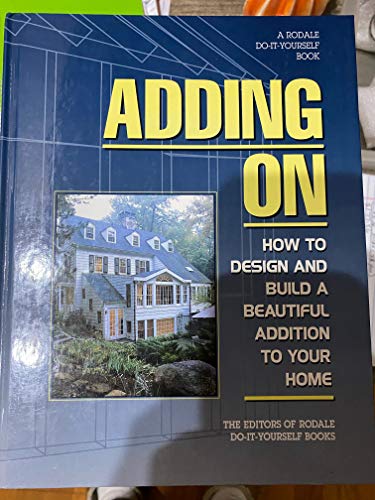
Adding an Addition to Your Home: A Complete Guide
Everything you need to know about planning, designing, and building a home addition that adds space, value, and comfort to your property.
START PLANNING YOUR ADDITIONWhy Add an Addition? Whether you need more living space for a growing family, a dedicated home office, or a luxurious master suite, adding an addition to your home is a significant investment that can transform your property. This comprehensive guide walks you through every stage — from assessing your needs and setting a realistic budget to selecting the right contractor and managing the construction process. For a broader overview of how these projects fit into your home's long-term value, see our guide on adding an addition to your home.
1. Planning Your Home Addition
Before you break ground, careful planning is the single most important factor in a successful addition project. Start by clearly defining why you need the space. Are you adding a bedroom, expanding the kitchen, or creating a multi-functional room? Understanding your goals will shape every subsequent decision.
Next, evaluate your property's constraints. Zoning laws, setback requirements, and lot coverage limits can determine how large your addition can be and where it can be placed. Check with your local building department early to avoid costly surprises. You'll also want to consider how the addition will connect to your existing home's structure, plumbing, and electrical systems.
2. Setting a Realistic Budget
Home additions are significant investments, and understanding the financial landscape is crucial. The total investment depends on the size, complexity, and finishes you choose. Rather than focusing on a single number, consider the range of tiers available for each component.
Entry-level additions typically involve simpler designs, standard materials, and fewer structural changes. Mid-range projects often include custom cabinetry, upgraded flooring, and enhanced energy efficiency. Premium and luxury additions may feature high-end finishes, complex architectural details, and smart home integration.
Don't forget to budget for permits, architectural drawings, engineering reports, and contingency funds (typically 10–20% of the total project). For a deeper dive into the financial side of home additions, including how to estimate the scope of your project, explore our resources on adding an addition to home cost and average cost of building an addition to your home.
| Addition Type | Typical Scope | Complexity Tier |
|---|---|---|
| Bump-out / small extension | Extends an existing room slightly | Entry-level |
| Single-room addition (bedroom, office) | Standard framing, finishes, utilities | Mid-range |
| Multi-room or master suite addition | Custom design, multiple trades | Premium |
| Second-story or full wing addition | Structural engineering, complex systems | Luxury |
3. Design and Permits
A well-thought-out design ensures your addition looks and functions as a natural extension of your home. Consider hiring an architect or a residential designer who specializes in additions. They will help you maximize natural light, maintain architectural consistency, and optimize the flow between old and new spaces.
Once the design is finalized, you'll need to secure building permits. This process typically involves submitting architectural drawings, structural calculations, and site plans to your local building authority. Inspections will be required at various stages of construction. Skipping permits is never advisable — it can lead to fines, forced removals, and problems when selling your home.
For specific project types, you may find our guides on adding a garage to a house and adding a second story to your house particularly helpful.
4. Choosing the Right Contractor
Selecting a qualified and trustworthy contractor is arguably the most important decision you'll make. Start by gathering recommendations from friends, family, and neighbors who have completed similar projects. Interview at least three contractors and ask for references from recent additions they've built.
Verify their license, insurance, and bonding. Request a detailed written contract that outlines the scope of work, timeline, payment schedule, and warranty terms. Avoid contractors who demand large upfront payments or pressure you to make quick decisions.
For more insight into finding the best professionals for your project, see our guide on best way to find a contractor.
5. Managing the Construction Process
Construction is disruptive, but good preparation can minimize stress. Create a timeline with your contractor and establish regular communication. Expect the unexpected — weather delays, material shortages, and hidden structural issues are common. A healthy contingency budget provides peace of mind.
During construction, keep a file of all permits, change orders, receipts, and inspection reports. Visit the site regularly (with your contractor's permission) to monitor progress and address concerns early. Once the project is complete, do a final walkthrough and ensure all punch-list items are resolved before making the final payment.
6. Maximizing Value and Enjoyment
A well-executed addition not only adds living space but can also increase your home's resale value. Focus on quality construction, energy-efficient materials, and designs that blend seamlessly with the existing structure. Consider how the new space will be used both now and in the future — flexible layouts that can serve multiple purposes tend to be the best investments.
If you're weighing different improvement options, our guides on best home improvements to increase home value and best things to do to add value to your home can help you prioritize. For a closer look at specific addition costs and strategies, see average cost of adding an addition to a home and adding a partial second story to a ranch house.
Frequently Asked Questions
How long does a home addition take?
The timeline varies widely based on scope and complexity. Small bump-outs may take a few weeks, while a full room addition typically takes several months from design through final inspection. Weather, permitting, and material availability all play a role.
Do I need an architect for a home addition?
Not always, but for structural changes or complex designs, an architect or residential designer can help ensure the addition is safe, functional, and aesthetically cohesive with your existing home.
Will a home addition increase my property taxes?
In most areas, a permitted addition that increases your home's square footage will result in higher property taxes. Check with your local assessor's office to understand the potential impact.
Can I live in my home during construction?
In many cases, yes, especially for additions that are sealed off from the main living area. However, be prepared for noise, dust, and temporary disruptions to utilities.