Waterproofing Basement Contractors: Protect Your Home from Moisture Damage
Discover how professional basement waterproofing contractors can safeguard your foundation, prevent mold growth, and increase your property value with proven moisture control solutions.
Learn How to HireWhy Basement Waterproofing Matters: A damp or leaking basement is more than an inconvenience — it can compromise your home's structural integrity, trigger mold growth, and reduce indoor air quality. Professional waterproofing contractors address the root cause of moisture intrusion rather than just masking the symptoms.
Understanding Basement Moisture Problems
Basement moisture issues typically stem from several common sources. Identifying the cause is the first step that any qualified waterproofing contractor will take before recommending a solution.
- Hydrostatic pressure: Groundwater pushing against foundation walls creates cracks and seepage.
- Poor drainage: Clogged gutters, improper grading, and failing footer drains allow water to pool near the foundation.
- Foundation cracks: Hairline cracks in poured concrete or mortar joints in block walls are common entry points.
- Condensation: High humidity and temperature differentials cause sweating on walls and pipes.
- Window well failures: Poorly sealed or improperly drained window wells channel water directly into the basement.
Left unaddressed, these issues can escalate into structural repairs and costly foundation work. A professional assessment from a waterproofing specialist helps you avoid larger problems down the line.
Types of Basement Waterproofing Services
Waterproofing contractors offer a range of solutions depending on the severity of the moisture problem and the construction of your home. Here are the primary service categories you should understand before hiring.
Interior Waterproofing Systems
Interior systems manage water that has already entered the basement. They typically involve a perimeter drain channel installed along the interior footer, directing water to a sump pit where it is pumped outside. Interior solutions are often less disruptive than exterior excavation and work well for finished basements.
Exterior Waterproofing Systems
Exterior waterproofing addresses the problem at its source by excavating around the foundation, applying a waterproof membrane, and installing a drainage board and footer drain system. This is a more comprehensive approach but requires heavier excavation work.
Crack Injection and Sealing
For isolated foundation cracks, polyurethane or epoxy injection seals the breach effectively. This is a targeted solution for specific leak points rather than a whole-system approach.
Sump Pump Installation and Service
A reliable sump pump is the heart of many waterproofing systems. Contractors can install primary and backup pumps, battery-powered systems, and smart monitoring devices to ensure continuous protection during power outages.
Dehumidification and Air Quality Control
Controlling humidity prevents condensation, mold, and musty odors. Whole-basement dehumidifiers and ventilation systems are often paired with drainage solutions for a complete moisture management strategy.
Understanding Contractor Service Tiers
Waterproofing contractors range from general handymen offering basic sealing to specialized firms providing comprehensive engineered solutions. Understanding these tiers helps you match your needs with the right provider.
Entry-Level / Handyman Tier
Suited for minor surface sealing, crack patching, and simple downspout adjustments. Best for preventive maintenance on dry basements. Usually limited diagnostic capability.
Mid-Tier / General Contractor
Offers interior drainage systems, sump pump installation, and crack injection. Good balance of capability and scope for most residential moisture problems.
Premium / Specialty Waterproofing Firm
Provides full exterior excavation, engineered drainage design, foundation repair integration, and warranty-backed solutions. Ideal for chronic leaks and structural concerns.
Professional-Grade / Commercial
Handles large-scale projects, multi-unit buildings, and complex hydrostatic challenges with advanced dewatering and permanent solutions. Includes engineering consultation.
How to Choose the Right Waterproofing Basement Contractor
Selecting a qualified contractor is critical for long-term results. Follow this evaluation framework before signing any agreement.
- Verify licensing and insurance: Confirm the contractor holds current state or local licenses and carries both liability and workers' compensation insurance.
- Request a comprehensive inspection: A reputable contractor will perform a thorough assessment — not just a quick visual check — and explain the root cause of your moisture issue.
- Demand written proposals: The proposal should detail the scope of work, materials to be used, timeline, and warranty terms. Avoid contractors who only offer verbal commitments.
- Check references and reviews: Ask for recent local references and verify online reviews. Look for patterns in feedback about reliability and follow-through.
- Understand warranty terms: Compare what is covered, for how long, and whether the warranty is transferable if you sell the home.
- Get multiple quotes: Compare at least three contractors for scope, approach, and value within their respective tiers.
If your project involves broader renovation work, consider coordinating with remodeling contractors to ensure waterproofing is integrated into the overall build schedule.
Comparing Waterproofing Methods
The table below outlines common solutions and their ideal use cases. Use this as a reference when discussing options with contractors.
| Method | Best For | Tier | Disruption Level |
|---|---|---|---|
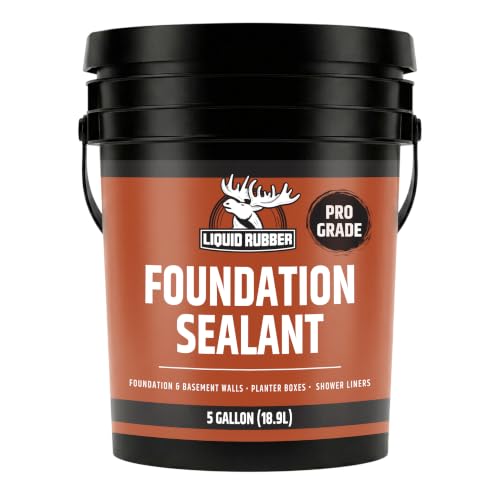
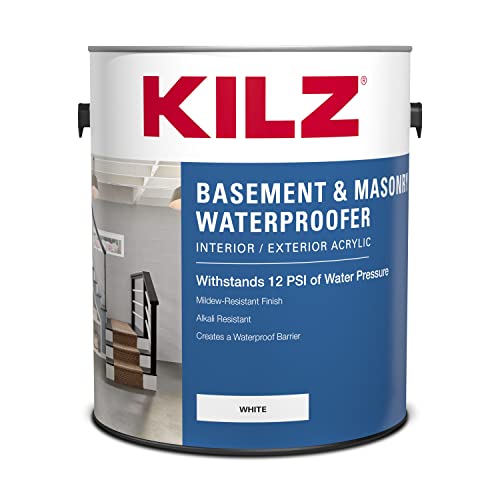
| Surface sealing / coatings | Preventive maintenance, dry basements | Entry-level | Low |
| Crack injection | Isolated leaks in poured concrete walls | Mid-tier | Low |
| Interior perimeter drain + sump | Frequent seepage, finished basements | Mid-tier | Moderate |
| Exterior membrane + drainage | Chronic leaks, hydrostatic pressure | Premium | High |
| Full engineered system | Structural moisture issues, commercial | Professional-grade | High |
What to Expect During the Waterproofing Process
Understanding the typical project sequence helps you prepare and set realistic expectations.
1. Inspection and Diagnosis
The contractor assesses water intrusion points, checks grading, downspouts, and foundation condition. Moisture meters and sometimes thermal imaging may be used.
2. Proposal and Planning
You receive a written plan detailing the recommended system, materials, timeline, and warranty. Ask questions about anything unclear before proceeding.
3. Installation
Depending on the method, work may take one day to over a week. Interior systems are generally faster and less disruptive than exterior excavation.
4. Final Testing and Handover
The contractor tests the system, explains maintenance requirements, and provides warranty documentation. Keep these records for future reference.
For homes undergoing broader improvements, pairing waterproofing with renovations can be an efficient way to address multiple projects in one phase.
Maintaining Your Waterproofed Basement
Even the best waterproofing system requires basic upkeep to remain effective. Contractors typically recommend the following:
- Keep gutters and downspouts clear and discharge water well away from the foundation.
- Test sump pumps monthly and before storm seasons; consider a battery backup.
- Maintain proper grading so soil slopes away from the house.
- Monitor interior walls for new cracks or dampness after heavy rain.
- Run a dehumidifier during humid months to control condensation.
Routine maintenance extends the life of your investment and helps you catch minor issues before they escalate.
Frequently Asked Questions
How do I know if I need a professional waterproofing contractor?
Signs include visible water seepage, efflorescence (white powder) on walls, musty odors, mold growth, and peeling paint. If you notice any of these, a professional assessment is recommended.
How long does basement waterproofing last?
Quality interior systems typically last 20 to 30 years or more, while exterior membranes can last 30 years or longer with proper installation and maintenance. Warranties vary by contractor and system type.
Can I waterproof my basement myself?
Minor surface sealing and crack patching are feasible for experienced DIYers. However, chronic leaks, hydrostatic pressure, and structural issues require professional diagnosis and engineered solutions.
Does waterproofing add value to my home?
A dry, usable basement increases livable space and removes a major red flag for buyers. Waterproofing is generally viewed as a worthwhile investment that supports resale value.
Will waterproofing work on a finished basement?
Yes. Interior drainage systems are designed to work with finished basements, though some drywall or flooring may need temporary removal during installation. Contractors typically discuss this during the inspection.
Related Home Projects: If you are planning larger upgrades alongside waterproofing, explore our guides on remodeling bathroom spaces, renovating your house, and residential renovation contractors to coordinate your project efficiently.