Vinyl Siding Repair Near Me: Your Complete DIY Guide
Discover how to identify common vinyl siding problems, choose the right repair approach, and restore your home's exterior with confidence. Whether you're dealing with a minor crack or a loose panel, this guide gives you the knowledge to tackle the job or know when to call a pro.
Start Your Repair JourneyWhy Vinyl Siding Repair Matters: Vinyl siding is a popular, durable choice for millions of homes, but it's not indestructible. Cracks, holes, and loose panels can let moisture in, leading to bigger issues like mold, rot, and structural damage. Timely repairs protect your investment and maintain your home's curb appeal. This guide is designed for homeowners who are researching vinyl siding repair near them and want a clear, actionable plan.
Common Vinyl Siding Issues
Before you start any repair, it's important to accurately diagnose the problem. Here are the most frequent issues homeowners face:
Cracks & Splits
Often caused by impact from debris, extreme temperature fluctuations, or improper installation. Small cracks can be sealed, but larger ones may require panel replacement.
Holes & Punctures
Can result from hail, flying objects, or even pest activity. The repair method depends on the size and location of the hole.
Loose or Detached Panels
Usually due to failed fasteners, strong winds, or improper locking. Re-securing or replacing the panel is typically straightforward.
Fading & Discoloration
While not a structural issue, fading can affect appearance. Cleaning or painting may be an option, but replacement is often the best long-term solution.
Warping & Buckling
Often a sign of improper installation (nailing too tight) or heat buildup. This can lead to further damage if not addressed.
Mold & Mildew
Can grow on dirty siding, especially in shaded areas. Regular cleaning is key; for severe cases, professional cleaning or replacement may be needed.
DIY vs. Professional Repair: Making the Right Choice
Deciding whether to tackle the repair yourself or hire a pro depends on the extent of the damage, your comfort level with tools, and safety considerations.
| Factor | DIY Repair | Professional Repair |
|---|---|---|
| Skill Level Required | Basic to intermediate for minor fixes | Not required |
| Time Investment | Moderate (a few hours for small jobs) | Minimal (scheduling and oversight) |
| Safety Risk | Higher if working at heights | Lower (pros are insured and experienced) |
| Best For | Small cracks, holes, loose panels | Extensive damage, structural issues, high areas |
| Warranty | May void manufacturer warranty if done incorrectly | Often includes workmanship warranty |
If you're dealing with a simple repair, DIY can be a rewarding and efficient solution. However, for anything beyond minor fixes, especially if it involves the roof line or structural concerns, it's wise to consult a professional. When searching for roofing handyman services, look for specialists with siding experience.
Essential Tools & Materials for Vinyl Siding Repair
Having the right tools on hand makes any repair job smoother and safer. Here's what you'll need for most common vinyl siding repairs:
Hand Tools
- Utility knife with fresh blades
- Tin snips or aviation snips
- Putty knife
- Caulking gun
- Hammer
- Nail puller (cat's paw)
- Tape measure
- Level
Power Tools
- Cordless drill/driver
- Oscillating multi-tool (for precise cuts)
- Heat gun (for loosening stubborn panels)
Safety Gear
- Safety glasses
- Work gloves
- Sturdy ladder (if needed)
- Respirator (if sanding or using chemicals)
Materials
- Replacement vinyl siding panel (color-matched)
- Vinyl siding repair kit (for small holes/cracks)
- Exterior-grade sealant (color-matched)
- Galvanized roofing nails (for fastening)
- Vinyl siding cleaner
- Denatured alcohol (for cleaning before sealing)
For a deeper dive into essential tools for all types of home repairs, explore our tool basics guide.
Step-by-Step Repair Techniques
Below are detailed methods for the most common vinyl siding repairs. Always work safely and follow manufacturer guidelines.
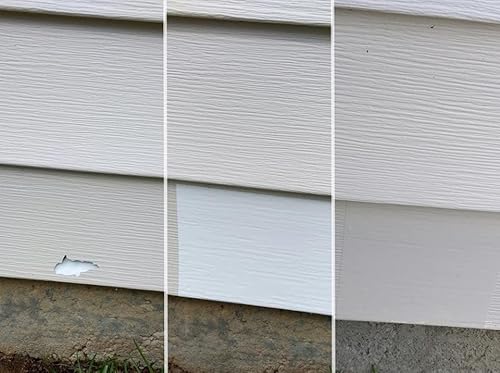
Repairing Small Cracks and Holes
- Clean the Area: Wipe the damaged area with a damp cloth and mild detergent. Rinse and allow to dry completely. For best adhesion, wipe with denatured alcohol.
- Apply Repair Compound: Use a vinyl siding repair kit or a high-quality exterior sealant. Follow the product instructions. For small holes, you may need to back the hole with a small piece of mesh before applying compound.
- Smooth and Finish: Use a putty knife to smooth the compound. Allow to cure per manufacturer's directions. If necessary, apply a color-matched touch-up paint (specifically designed for vinyl).
Replacing a Damaged Panel
- Identify and Unlock the Panel: Use a zip tool or a flat bar to gently unlock the panel above the damaged one. Work carefully to avoid damaging adjacent panels.
- Remove Fasteners: Use a nail puller to remove the nails securing the damaged panel. Keep track of the nails.
- Cut and Remove: If the panel is long, you may need to cut it in the middle to remove it. Use a utility knife or tin snips.
- Prepare the New Panel: Cut the replacement panel to size, allowing for expansion (leave a 1/4-inch gap at ends).
- Install the New Panel: Slide the new panel into place, hooking the bottom lock into the panel below. Secure with galvanized roofing nails, driving them into the center of the nailing slots (do not overdrive). Leave a 1/32-inch gap between the nail head and the siding to allow for movement.
- Relock the Panel Above: Snap the upper panel back into place.
Securing a Loose Panel
- Locate the Problem: Gently press on the loose panel to identify where it has detached. Often, it's a single fastener that has failed.
- Re-secure: If the nail is still in place but not holding, you can try a slightly larger nail in the same slot. If the nail is missing, drive a new galvanized nail into the center of the slot.
- Check for Underlying Issues: If multiple panels are loose, there may be a problem with the nailing pattern or substrate. Consult a professional if you're unsure.
For repairs that involve accessing higher areas or if you notice damage to underlying materials, consider consulting a professional. When looking for residential structural repair contractors near me, ensure they have experience with siding and exterior repairs.
Prevention & Maintenance Tips
Keeping your vinyl siding in top condition reduces the need for repairs and extends its lifespan.
- Regular Cleaning: Wash siding annually with a garden hose and a soft brush. Use a mild detergent solution. Avoid power washing at high pressure, which can force water behind panels.
- Inspect After Storms: Check for cracks, loose panels, and damage after severe weather.
- Trim Vegetation: Keep bushes and trees trimmed back to prevent scratching and reduce moisture retention.
- Check Caulking: Inspect caulking around windows, doors, and fixtures annually. Reapply as needed to prevent water infiltration.
- Avoid Harsh Chemicals: Do not use solvents or abrasive cleaners that can damage the vinyl finish.
When to Call a Professional
While many repairs are DIY-friendly, some situations require the expertise of a professional:
- Large areas of damage or multiple panels need replacement.
- Damage is located high up or in hard-to-reach areas.
- You suspect underlying structural issues (e.g., rot, mold, water damage).
- The siding is still under warranty and DIY repair could void it.
- You're uncomfortable working at heights or with power tools.
If you need to find local experts, consider searching for remodeling contractors or residential renovation contractors who specialize in exterior repairs. For overall home improvement guidance, our home improvement section is a valuable resource.
Frequently Asked Questions
Can I repair vinyl siding myself?
Yes, many minor vinyl siding repairs are suitable for DIY. Small cracks, holes, and loose panels can be fixed with a vinyl siding repair kit, matching replacement panels, and basic hand tools. However, extensive damage or issues related to underlying structure should be assessed by a professional.
What is the best way to fix a crack in vinyl siding?
For small cracks, clean the area and apply a vinyl siding repair compound or a high-quality exterior sealant. For larger cracks, replacing the damaged panel is the most reliable solution. Always ensure the repair is weather-resistant and color-matched.
How do I find a vinyl siding repair professional near me?
Search online for 'vinyl siding repair near me' and check reviews, ask for referrals from neighbors, or contact local home improvement stores for recommendations. Verify licensing, insurance, and warranty terms before hiring.
Can I paint vinyl siding?
Yes, but it requires careful preparation and a paint specifically formulated for vinyl. However, painting may void some warranties. If your siding is faded, replacement with new panels might be a better long-term solution.
What causes vinyl siding to crack?
Common causes include impact from debris, extreme temperature changes, improper installation (nailing too tight), and age. Using the right tools and techniques during installation and maintenance can reduce the risk.
Take Control of Your Vinyl Siding Repair
With the right knowledge and tools, you can successfully tackle many vinyl siding repairs and keep your home protected. Remember to prioritize safety, use quality materials, and don't hesitate to call a professional for complex jobs. By staying proactive with maintenance and repairs, you'll extend the life of your siding and maintain your home's value.
Ready to explore the tools that make repairs easier? Check out our recommended products below.