Refacing Kitchen Cabinets: A Complete Guide to Transforming Your Kitchen
Discover how cabinet refacing can give your kitchen a fresh, modern look without the cost and disruption of a full remodel. Learn the process, materials, and expert tips to make the right decision.
Why Refacing Kitchen Cabinets? Cabinet refacing is one of the most cost-effective ways to upgrade your kitchen's appearance. Instead of tearing out and replacing entire cabinet boxes, you keep the sturdy structure and replace only the doors, drawer fronts, and exterior veneer. This approach saves time, reduces waste, and delivers dramatic results. If you are exploring kitchen updates, you may also want to review average kitchen remodel costs to understand how refacing fits into your overall budget.
What Exactly Is Kitchen Cabinet Refacing?
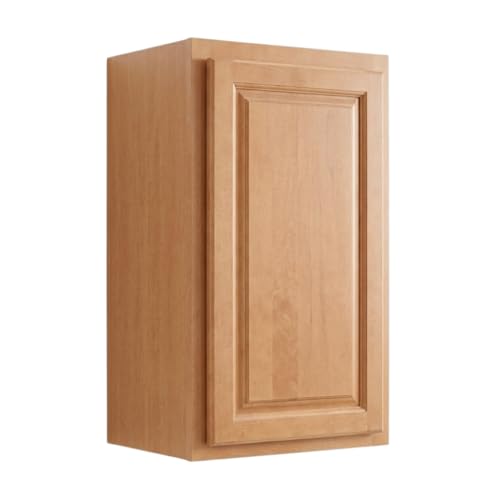
Cabinet refacing is a renovation technique where the existing cabinet boxes and frames stay in place while the visible surfaces are updated. The process typically involves:
- Removing old doors and drawer fronts.
- Applying a new veneer or laminate to the face frames and cabinet sides.
- Installing new doors, drawer fronts, and hardware.
The result looks like a brand-new kitchen because the most visible parts — doors, drawers, and exterior finish — are entirely new. It is an ideal solution when your cabinet boxes are structurally sound but the exterior has become dated, worn, or simply no longer matches your style. For those considering hiring a professional, exploring cabinet refacing services near you can help you compare local options.
Key Benefits of Refacing Your Kitchen Cabinets
Refacing offers several advantages over full cabinet replacement:
- Substantial Savings: Refacing typically costs significantly less than new cabinetry, especially when you keep the existing layout.
- Minimal Disruption: Since the cabinet boxes stay in place, there is no need to empty all your kitchen contents for weeks or deal with major demolition.
- Faster Timeline: Most refacing projects are completed in a few days rather than several weeks.
- Eco-Friendly: Reusing existing cabinet boxes reduces landfill waste and conserves materials.
- Design Flexibility: You can choose from a wide range of door styles, finishes, and hardware to achieve your desired look.
If you are weighing refacing against a full kitchen renovation, understanding the scope of each option will help you make an informed choice. Many homeowners also find that refacing is a practical first step before committing to larger projects like remodeling your kitchen.
Refacing vs. Replacing Cabinets: A Side-by-Side Comparison
Before deciding on refacing, it's helpful to compare it with full cabinet replacement:
| Aspect | Refacing | Full Replacement |
|---|---|---|
| Cost | Entry-level to mid-range | Mid-range to premium |
| Timeline | 2–5 days typical | Several weeks or more |
| Disruption | Minimal | Significant |
| Structural Change | None (layout preserved) | Flexible layout options |
| Waste | Low | High |
Refacing is generally the better choice when the cabinet boxes are in good condition and the layout already works for your needs. If you are planning a more extensive update, you may want to explore new cabinet and countertop pricing or read about kitchen remodeling costs to understand the full picture.
Materials Used in Cabinet Refacing
The material you choose affects durability, appearance, and maintenance. Common options include:
- Real Wood Veneer: Premium option that offers authentic grain and can be stained or painted. Ideal for high-end projects.
- Rigid Thermofoil (RTF): Mid-range option with a smooth, uniform finish that is easy to clean and resistant to moisture.
- Laminate: Budget-friendly and available in many patterns and colors; durable but can chip at edges.
- PVC/Vinyl: Affordable and moisture-resistant, suitable for high-humidity areas.
Your choice of material should align with the overall style of your home and your long-term maintenance expectations. When planning, you may also want to consider how cabinet and countertop pricing compares to refacing, and whether it makes sense to review cabinet refacing price factors to set realistic expectations.
Step-by-Step Cabinet Refacing Process
Whether you hire a professional or tackle the project yourself, the process generally follows these steps:
- Assessment: Inspect cabinet boxes for structural integrity. Repair any loose hinges, sagging shelves, or water damage before proceeding.
- Measure and Plan: Accurately measure all doors and drawers. Decide on door styles, materials, and hardware. Order materials well in advance.
- Prep the Surface: Remove old doors and drawer fronts. Clean and sand the face frames and cabinet sides to ensure proper adhesion.
- Apply Veneer or Laminate: Carefully apply the new veneer or laminate to the face frames and visible cabinet sides. Use a roller to remove air bubbles.
- Install New Doors and Drawers: Attach new doors and drawer fronts using the existing or new hinges. Ensure alignment and smooth operation.
- Add Hardware: Install knobs, pulls, and handles to complete the look.
- Final Inspection: Check all doors and drawers for proper alignment, smooth closing, and a consistent finish.
For beginners, practicing on a small section or a sample board can help build confidence. If you prefer to leave the work to a professional, looking into local cabinet refacing services can save time and ensure a polished result.
DIY vs. Professional Cabinet Refacing
Deciding whether to DIY or hire a pro depends on your skill level, available time, and the complexity of the job:
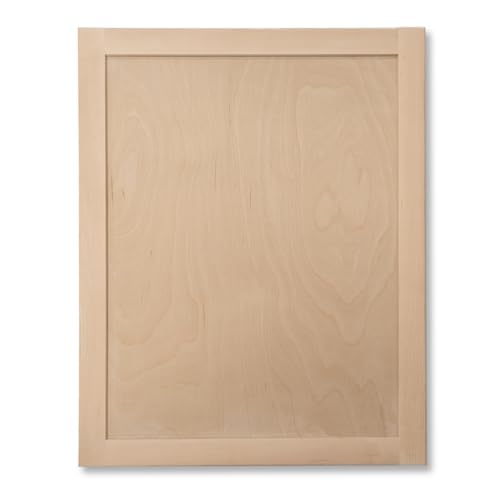
- DIY Refacing: Best suited for simple layouts and flat-panel or shaker-style doors. Requires careful measuring, patience, and the right tools. You can save on labor, but mistakes can be costly.
- Professional Refacing: Recommended for complex layouts, intricate door profiles, or when you want a guaranteed finish. Professionals bring expertise, proper tools, and often provide warranties.
If you are considering hiring a contractor, be sure to check credentials and reviews. You may also want to explore budget-friendly kitchen renovation ideas to see how refacing fits into a larger plan, or look into remodeling contractors for guidance on other kitchen upgrades.
Ready to Transform Your Kitchen?
Explore our recommended tools and materials for cabinet refacing below. Whether you are a DIY enthusiast or planning to hire a professional, having the right resources makes all the difference.
View Recommended ProductsCommon Mistakes to Avoid
Even experienced DIYers can run into problems. Watch out for these common pitfalls:
- Skipping Surface Prep: Failing to clean and sand surfaces properly can cause veneer to bubble or peel.
- Inaccurate Measurements: Measure twice and order once. Incorrect sizing leads to ill-fitting doors and wasted materials.
- Ignoring Cabinet Box Condition: Refacing won't fix structural issues. Repair or replace damaged boxes before refacing.
- Choosing the Wrong Material: Match the material to the environment. High-moisture areas need moisture-resistant options.
- Rushing the Install: Take your time with alignment and hardware installation to ensure a professional finish.
If you are uncertain about any step, consulting a professional can save you time and frustration. You might also find it helpful to review pricing factors for cabinet refacing to budget appropriately.
Maintaining Your Refaced Cabinets
Once your refacing project is complete, proper maintenance will keep your cabinets looking new for years:
- Clean with a soft, damp cloth and mild detergent. Avoid abrasive cleaners that can scratch the finish.
- Wipe up spills promptly, especially in kitchens with laminate or thermofoil surfaces.
- Check hinges and hardware periodically and tighten as needed.
- Avoid placing hot items directly on cabinet surfaces.
- For wood veneer, apply a quality furniture polish every few months to maintain the finish.
Refacing is a smart investment that can extend the life of your existing cabinetry. If you are planning other kitchen upgrades, you may also be interested in kitchen remodeling costs or cabinet and countertop pricing to plan a comprehensive update.
Frequently Asked Questions
How long does kitchen cabinet refacing take?
Most professional refacing projects take 2 to 5 days depending on kitchen size and door count. DIY refacing typically takes 1 to 2 weekends for a standard kitchen.
Is cabinet refacing worth it compared to replacing cabinets?
Refacing preserves your existing cabinet boxes and layout, giving a near-new appearance for a fraction of the disruption and cost of full replacement. It is ideal when cabinet boxes are structurally sound.
Can I reface kitchen cabinets myself?
Yes, DIY cabinet refacing is achievable with careful measuring, proper tools, and patience. It works best for flat-panel and simple shaker-style doors; complex profiles are better left to professionals.
What materials are used for cabinet refacing?
Common materials include real wood veneer, rigid thermofoil, laminate, and PVC. Budget-friendly options favor laminate and thermofoil, while premium projects use solid wood veneer and custom doors.
Final Thoughts: Refacing kitchen cabinets is a practical, cost-effective way to refresh your kitchen without the mess and expense of a full remodel. By understanding the process, materials, and key decision points, you can confidently choose the approach that best fits your home and budget. Whether you DIY or hire a pro, the result can be a beautiful, functional kitchen you'll enjoy for years.