How to Increase Water Pressure in Your House: A Complete Guide
Weak showers and slow faucets are frustrating, but most low-pressure problems have clear solutions. This guide walks you through diagnosing the cause and fixing it—whether you have city water, a well system, or want to boost pressure without a pump.
Understanding What Causes Low Water Pressure
Before you start turning valves, it helps to know where the problem comes from. Low water pressure almost always traces back to one of five areas: the municipal supply, a clogged fixture, a failing pressure-reducing valve, sediment buildup in older pipes, or—for rural homes—the well pump and tank system. Identifying the source narrows your repair list dramatically.
If only one faucet is weak, the problem is local. If the entire house suffers, the issue is at the main supply or well. This single test saves hours of unnecessary work. For broader plumbing maintenance guidance, see our section on home systems.
City Water vs. Well Water: Different Problems, Different Fixes
Homes connected to a municipal supply usually enjoy consistent pressure. When it drops, the cause is often a pressure regulator or a closed valve. Well systems introduce extra variables: the pump, pressure switch, and pressure tank all influence flow. That's why well owners need a slightly different troubleshooting path—covered in detail below.
How to Increase Water Pressure in Your House (City Water)
If you're on municipal water and noticing weak flow, follow these steps in order from easiest to most involved.
- Check the main shutoff valve. A partially closed valve at the meter or where the line enters your home restricts flow. Turn it fully counterclockwise to open it completely.
- Clean the aerators and showerheads. Mineral deposits choke flow at the fixture. Unscrew the aerator, soak it in vinegar, and scrub away sediment. This alone fixes many "whole house" complaints that are actually fixture-specific.
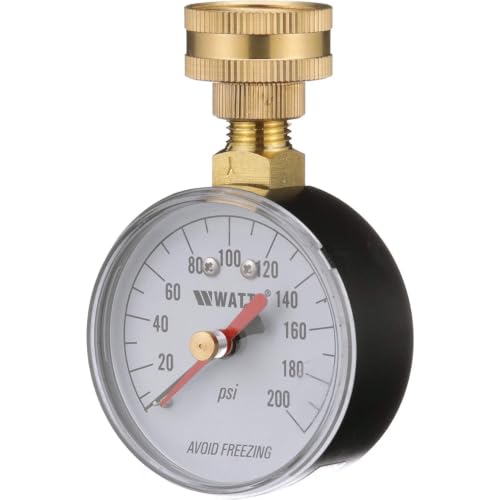
- Test the pressure-reducing valve (PRV). Most homes have a bell-shaped PRV near the main shutoff. If it's set too low or has failed, pressure drops. Use a hose pressure gauge on an outdoor spigot to measure. If it reads below 40 psi, the PRV may need adjustment or replacement.
- Inspect for pipe corrosion. Galvanized steel pipes in older homes build up mineral scale over decades, shrinking the internal diameter. If your home predates 1970 and has original pipes, this is a likely culprit. Replacing sections with copper or PEX restores full flow.
- Confirm the meter is fully open. Occasionally the utility meter valve isn't wide open. A quick call to your water provider can confirm supply-side pressure.
Need more targeted help? This guide on increasing water pressure in your house walks through each fix in greater detail.
How to Increase Water Pressure on a Well System
Well systems add three components that can reduce pressure: the pump, the pressure switch, and the pressure tank. Work through these checks methodically.
Step 1: Test the Pressure Tank
The pressure tank holds a cushion of air that stabilizes flow. If the air charge is low, the pump short-cycles and pressure fluctuates. Use a tire gauge on the air valve at the top of the tank. The reading should match the pump's cut-in pressure (typically 2 psi below it). If it's low, add air with a compressor.
Step 2: Adjust the Pressure Switch
The pressure switch controls when the pump turns on and off. A standard setting is 30/50 psi (cut-in/cut-out). Raising it to 40/60 psi often delivers noticeably stronger flow—provided your pump is rated for it. The adjustment nut inside the switch is small; turn it slightly and re-test. If you're unsure of your pump's capacity, consult a well professional before making changes.
Step 3: Check for Sediment and Clogs
Well water can carry fine sediment that clogs aerators, cartridge filters, and even the pressure switch nipple. Clean or replace these components. A clogged sediment filter ahead of the pressure tank is a very common cause of gradual pressure loss.
For a deeper walkthrough, see increasing water pressure on a well system and well system pressure fixes.
How to Increase Water Pressure Without a Pump
Sometimes the simplest solutions work best—and they don't require adding a booster pump. Try these approaches first:
- Replace old supply lines. If your home has 1/2-inch lines feeding a shower, upgrading to 3/4-inch lines can meaningfully improve flow without touching the pump.
- Remove flow restrictors. Many showerheads and faucets ship with restrictors. Removing them (where local codes allow) increases flow.
- Clear sediment from the water heater. Sediment buildup in a tank water heater can reduce hot-water flow. Flushing the tank annually helps.
- Install a pressure booster only as a last resort. If the above steps don't work, a booster pump is the reliable fix. But try the simpler options first.
More detail is available in how to increase water pressure without a pump.
Comparing Water Pressure Solutions by Tier
The table below classifies common fixes by effort and expected impact. Use it to prioritize your approach.
| Solution | Tier | Effort | Best For |
|---|---|---|---|
| Clean aerators & showerheads | Entry-level | Very low | Single-fixture low flow |
| Adjust PRV or pressure switch | Mid-range | Low | Whole-house pressure slightly low |
| Replace corroded pipes | High-end | High | Older homes with galvanized lines |
| Install booster pump | Premium | Moderate | Persistent low pressure after all other fixes |
| Well pump / tank replacement | Top-tier | High | Failing well equipment |
When to Call a Professional
Most pressure fixes are DIY-friendly, but some situations warrant a licensed plumber or well technician. Call a pro if: the pressure regulator won't adjust, the well pump short-cycles constantly, you smell sulfur or see heavy sediment, or you're uncomfortable working near the electrical components of a well system. For major plumbing projects, our licensed contractor directory and local handyman services can connect you with qualified help.
DIY Fixes: Pros
- Low cost for simple fixes
- Immediate results
- Builds plumbing confidence
DIY Fixes: Cons
- Risk of damage to valves
- Well systems can be complex
- Some fixes need permits
Ready to Fix Your Pressure Problem?
Start with the simplest checks—aerators, valves, and the pressure gauge—before investing in bigger repairs. Most homeowners solve the issue within an hour.
Frequently Asked Questions
Why is my water pressure suddenly low?
How can I increase water pressure without a pump?
What is a normal water pressure for a house?
How do I increase water pressure on a well system?
Final Thoughts
Low water pressure rarely means a full replumbing job. In most homes, the fix is a cleaned aerator, a fully open valve, or a small adjustment to the pressure switch or PRV. Work through the steps above in order, measure your results with a pressure gauge, and call a professional only if the problem persists after the basic checks. For related projects—like installing new fixtures once pressure is restored—see our guides on installing faucets and installing sinks.