How Much Will It Cost to Renovate a House?
Renovating a house is one of the most significant investments a homeowner can make. Understanding the true scope of renovation costs helps you plan realistically, avoid financial surprises, and make confident decisions about materials, labor, and project sequencing.
Explore the Cost BreakdownWhy renovation costs vary so widely: The final investment depends on the size of your home, its current condition, the scope of work, your geographic region, and the quality tier of materials and finishes you select. This guide breaks down each factor so you can build a realistic plan tailored to your property and goals.
Renovation Cost Per Square Foot: What to Expect
One of the most practical ways to estimate a whole-house renovation is to work from a per-square-foot basis. This method gives you a rough planning figure before you obtain detailed contractor quotes. The figure you land on will depend heavily on whether you are doing a cosmetic refresh, a mid-range remodel, or a high-end transformation.
As a general planning framework, cosmetic renovations that focus on paint, flooring, and fixtures sit at the entry-level tier. Mid-range renovations that include kitchen and bathroom updates, new doors, and improved insulation fall into the mid-tier. Premium renovations with custom cabinetry, structural changes, and designer finishes belong to the high-end category. Luxury renovations involving full architectural redesign, premium materials throughout, and smart-home integration represent the top-tier investment level.
It is important to remember that per-square-foot estimates are planning tools, not final quotes. A professional contractor will assess your specific property and provide a detailed breakdown. If you are weighing whether to renovate the entire house or focus on specific rooms, our guide on whole-house renovation costs offers a deeper comparison.
Cost Breakdown by Room and Project Type
Whole-house renovations rarely happen all at once. Most homeowners tackle the project in phases, prioritizing the rooms that deliver the greatest comfort and value. Understanding the relative investment for each area helps you sequence your renovation strategically.
Kitchen Renovation
The kitchen is typically the most expensive room to renovate because it combines plumbing, electrical, cabinetry, countertops, and appliances. An entry-level kitchen refresh might involve repainting cabinets, replacing hardware, and installing a new backsplash. A mid-range kitchen remodel adds new countertops, updated appliances, and improved lighting. Premium and luxury kitchens feature custom cabinetry, high-end stone surfaces, and professional-grade appliances.
For a detailed exploration of kitchen-specific investments, review our guide on kitchen renovation costs. If you are specifically evaluating cabinetry, our breakdown of kitchen cabinet replacement costs and countertop upgrade costs will help you plan each component.
Bathroom Renovation
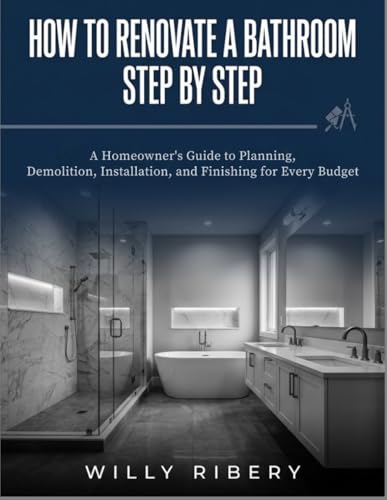
Bathrooms are smaller than kitchens but involve intensive plumbing and waterproofing work. A small bathroom update might focus on a new vanity, fresh tile, and modern fixtures. A full bathroom remodel includes layout changes, new shower or tub installations, and upgraded ventilation. Premium bathrooms add heated floors, custom glass enclosures, and designer tile work.
Explore our detailed resources on bathroom renovation costs and small bathroom renovation costs for room-specific planning. If you are considering a shower or tub upgrade, our guides on bathtub replacement costs and tub-to-shower conversion costs provide focused insights.
Combined Kitchen and Bathroom Projects
When both the kitchen and bathroom are renovated simultaneously, shared plumbing and electrical work can create efficiencies. Our guide on kitchen and bathroom renovation costs explains how combined projects can sometimes reduce overall labor and material waste compared with tackling them separately.
Quality Tiers and What They Mean for Your Investment
Rather than focusing on fixed numbers that quickly become outdated, it is more useful to think in terms of quality tiers. The tier you choose affects every decision — from the brand of paint you buy to the type of flooring you install. The table below summarizes how each tier typically differs across key renovation categories.
| Renovation Area | Entry-Level | Mid-Range | Premium | Luxury |
|---|---|---|---|---|
| Flooring | Laminate or vinyl planks | Engineered hardwood or mid-grade tile | Solid hardwood or natural stone | Exotic hardwood, custom inlays, heated stone |
| Cabinetry | Stock cabinets with basic hardware | Semi-custom cabinets with soft-close features | Custom cabinetry with premium finishes | Bespoke millwork with integrated smart storage |
| Countertops | Laminate or entry-level quartz | Mid-grade quartz or granite | Premium quartzite or marble | Rare natural stone or custom fabricated surfaces |
| Fixtures | Builder-grade chrome or brushed nickel | Branded mid-tier fixtures with durable finishes | Designer fixtures with premium finishes | Imported luxury fixtures with smart technology |
| Lighting | Basic recessed and surface-mounted fixtures | Updated recessed lighting with dimmers | Layered lighting design with accent fixtures | Architectural lighting with automation |
| Appliances | Entry-level matching set | Mid-tier stainless steel package | Premium brand appliances | Professional-grade or fully integrated appliances |
Planning tip: Many homeowners mix tiers across different areas. For example, you might choose mid-range cabinetry but premium countertops, or entry-level flooring in secondary rooms while investing in premium flooring for the main living areas. This mixed-tier approach allows you to allocate resources where they have the most visible and functional impact.
Labor Costs and Geographic Variations
Labor typically accounts for a substantial share of any renovation investment — often more than materials in labor-intensive projects such as bathroom remodels or structural work. Labor rates vary significantly by region, driven by local cost of living, demand for skilled trades, and the complexity of the work.
Urban areas and regions with high construction demand generally have higher labor rates than rural areas. Similarly, specialized trades such as licensed electricians and plumbers command higher rates than general labor. When budgeting, it is wise to obtain at least three quotes from licensed contractors in your area. Our guide on bathroom remodel labor costs provides a detailed breakdown of how labor is typically structured for renovation projects.
Permits and inspections also add to the overall investment. Structural changes, electrical upgrades, and plumbing relocations almost always require permits, and the associated fees vary by municipality. Factoring these costs early prevents surprises later in the project.
Strategies to Manage Your Renovation Investment
Renovating a house does not have to mean choosing the most expensive option at every turn. Smart planning and strategic decision-making can help you achieve a beautiful result while staying within a comfortable range.
- Prioritize structure over cosmetics: Address plumbing, electrical, and structural issues first. Cosmetic upgrades can be phased in later without disrupting the core systems.
- Keep the layout: Moving walls and relocating plumbing fixtures significantly increases costs. Maintaining the existing layout is one of the most effective ways to control your investment.
- Mix quality tiers: Invest in high-use items (faucets, door hardware, flooring in main areas) and choose entry-level or mid-range options for less visible elements.
- Plan for contingencies: A contingency reserve of 10–20% of your project total is standard practice. Renovations often reveal hidden issues once walls are opened.
- Phase the project: Breaking a whole-house renovation into phases spreads the investment over time and allows you to learn from each phase before moving to the next.
- Get multiple quotes: Comparing at least three contractor quotes helps you understand the market range and identify outliers.
If increasing your home's value is a primary goal, explore our guide on how to increase the value of your home before selling for renovation projects that deliver the strongest return.
Whole-House Renovation vs. Partial Renovation
A whole-house renovation involves updating every major system and surface in the home. This comprehensive approach typically includes kitchen and bathroom remodels, flooring replacement throughout, fresh paint, updated electrical and plumbing, and often structural changes such as opening up living spaces or adding square footage.
A partial renovation focuses on specific rooms or systems. This approach is often more manageable and allows homeowners to spread the investment over time. For a detailed comparison, review our guide on totally renovating a house versus room-by-room updates.
If you are considering expanding your home's footprint, our resources on building an addition per square foot and building onto a house explain how additions compare with renovation in terms of investment and livability.
Frequently Asked Questions About House Renovation Costs
What is the biggest cost driver in a house renovation?
Labor and materials for kitchens and bathrooms typically drive the largest share of a renovation investment. Structural changes, plumbing relocations, and electrical upgrades also add significant cost because they require licensed professionals and often permits. The quality tier you choose for finishes — cabinetry, countertops, flooring, and fixtures — determines how much of your budget goes toward materials versus labor.
How long does a typical house renovation take?
Timelines vary based on scope. A cosmetic refresh of a few rooms might take a few weeks, while a full kitchen or bathroom remodel often takes several weeks to a couple of months. Whole-house renovations commonly span several months, especially when structural work or permit approvals are involved. Material lead times and contractor availability also affect the schedule.
Should I renovate before selling or after buying?
This depends on your goals. Renovating before selling can increase your home's appeal and potentially its value, but not every renovation delivers a strong return. If you plan to stay in the home, renovating after buying allows you to tailor the design to your preferences. Our guide on increasing home value before selling covers renovations with the strongest resale impact.
Can I renovate a house in phases?
Yes, and many homeowners do. Phasing allows you to spread the investment over time, learn from each phase, and adjust your plan based on actual costs. A common approach is to complete structural and system work first (plumbing, electrical, insulation), then move to kitchens and bathrooms, and finish with cosmetic updates such as paint and flooring.
How do I compare contractor quotes fairly?
Ensure each quote covers the same scope of work, materials tier, and timeline. Ask contractors to itemize labor and materials separately so you can compare line by line. Check licenses, insurance, and references. A lower quote that omits permits or uses entry-level materials is not comparable to a higher quote that includes premium finishes and comprehensive service.