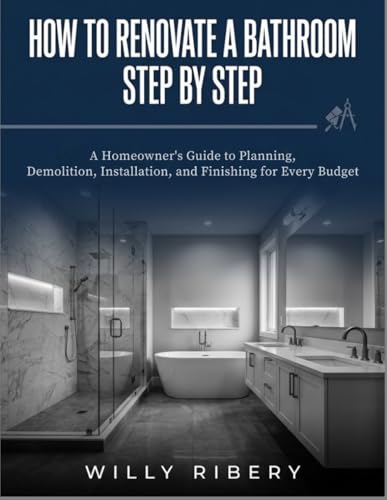
How Much It Costs to Renovate a Bathroom: A Complete Planning Guide
Understand the real drivers of bathroom renovation costs — from labor and materials to fixture tiers — so you can plan a remodel that fits your goals and budget.
Bathroom renovations are among the most popular home improvement projects because they combine daily comfort with strong resale value. Yet one question dominates every planning conversation: how much does it actually cost to renovate a bathroom? The honest answer is that costs vary widely based on the size of the room, the scope of work, the quality tier of materials, and whether you keep the existing layout. Rather than chasing a single number, the smartest approach is to understand the cost structure itself.
This guide breaks down bathroom renovation costs into meaningful, tier-based ranges, explains where your money goes, and shows you how to make informed trade-offs. Whether you are planning a cosmetic refresh or a full gut remodel, you will leave with a clear framework for budgeting with confidence.
If you are also comparing a refresh against a larger remodel, it helps to read about what it costs to get a bathroom redone and how a professional bathroom remodel differs from a do-it-yourself update.
What Drives the Cost of a Bathroom Renovation?
No two bathrooms are identical, but the cost drivers are predictable. Understanding them lets you prioritize where to splurge and where to save. The five biggest factors are:
- Size and layout. A larger footprint requires more tile, fixtures, and labor. Moving plumbing or electrical lines increases cost dramatically because it requires permits, demolition, and skilled trades.
- Scope of work. A cosmetic update — painting, new fixtures, and a refreshed vanity — is far less involved than a full gut renovation that replaces subflooring, wiring, and plumbing.
- Material tier. Entry-level ceramic tile and stock cabinetry cost considerably less than large-format porcelain, natural stone, and custom cabinetry.
- Labor market. Skilled labor rates vary by region and season. Complex tile patterns and custom work require specialists and add labor hours.
- Permits and inspections. Structural, plumbing, and electrical changes typically require permits, which add both cost and timeline.
For a broader look at how bathroom costs compare with other rooms, see the average bathroom remodel cost and what it typically costs to remodel a bathroom.
The Three Renovation Tiers Explained
To make budgeting practical, it helps to group bathroom renovations into three quality tiers. These descriptors are relative, not absolute — they describe where a project sits in the market rather than a specific number.
Entry-Level
Cosmetic refresh: repaint, replace fixtures and vanity, re-caulk, and update lighting. The existing layout stays intact, and materials are budget-friendly and readily available.
Mid-Range
Full remodel with quality fixtures, new tile flooring and shower surround, a semi-custom vanity, and upgraded lighting. Layout may be slightly adjusted without major plumbing moves.
High-End
Luxury renovation featuring custom cabinetry, natural stone, designer fixtures, heated floors, and expanded layouts. Often includes structural changes and premium finishes.
These tiers are consistent with the ranges discussed in the cost to renovate the bathroom and renovating your bathroom.
Where Your Renovation Budget Goes
The table below shows how costs are typically distributed across a bathroom renovation. Percentages are illustrative and shift based on scope and tier.
| Category | Typical Share | What It Covers |
|---|---|---|
| Labor & Installation | Highest share | Tiling, plumbing, electrical, carpentry, and project management. |
| Fixtures & Fittings | Moderate to high | Toilet, sink, faucets, showerhead, and tub or shower base. |
| Tile & Flooring | Moderate | Wall and floor tile, grout, waterproofing membranes, and trim. |
| Cabinetry & Vanity | Moderate | Stock, semi-custom, or custom vanity, countertop, and hardware. |
| Lighting & Ventilation | Lower share | Vanity lighting, exhaust fan, switches, and wiring updates. |
| Permits & Contingency | Variable | Permit fees, inspections, and a buffer for unexpected issues. |
Because labor is usually the largest cost component, the most effective way to control a renovation budget is to minimize structural and layout changes. Keeping plumbing and electrical in place avoids the cascade of demolition, permitting, and rework that drives up both cost and time.
Small Bathroom Renovation Costs
Small bathrooms are not automatically cheap to renovate — in fact, tight spaces can require more skilled labor because every tile cut and fixture placement demands precision. However, smaller rooms do consume less material, which keeps tile and flooring costs proportionally lower.
If your project is a compact space, review renovating a small bathroom and redoing a small bathroom for scope-specific guidance. You may also find updating a small bathroom useful if you are aiming for a cosmetic refresh rather than a full remodel.
Master Bathroom Renovation Costs
Master bathrooms sit at the higher end of the renovation spectrum. Larger footprints, double vanities, walk-in showers, freestanding tubs, and premium finishes all push costs upward. Layout changes are common in master suites, which adds plumbing and electrical work.
For a deeper breakdown, see the cost to renovate a master bathroom and redoing a master bathroom. If you are considering a walk-in shower, walk-in shower installation costs and standing shower installation costs provide helpful context.
Understanding Labor Costs
Labor is the single largest line item in most bathroom renovations, and it is also the most variable. Skilled tradespeople — plumbers, electricians, tilers, and carpenters — each contribute to the total. Complex tile patterns, custom cabinetry installation, and layout changes all add hours.
If you want to understand how labor influences your project, read bathroom remodel labor costs. For a direct comparison of full-service versus DIY approaches, see having a bathroom redone professionally.
Planning tip: Always reserve a contingency buffer of roughly 10–20% of your project total. Bathroom renovations frequently uncover hidden issues such as water damage, outdated wiring, or corroded plumbing once walls are opened.
Smart Ways to Save Without Sacrificing Quality
- Keep the layout. Retaining the existing plumbing and electrical positions is the single biggest cost saver.
- Choose mid-tier materials strategically. Spend on items you touch daily — faucets and showerheads — and save on tile you rarely notice.
- Refinish rather than replace. A tub or tile refinish can extend the life of existing surfaces at a fraction of replacement cost.
- Bundle trades. Hiring one reputable contractor who coordinates plumbing, electrical, and tiling often reduces overhead compared with managing multiple trades yourself.
- Shop sales and stock items. Stock vanities and discontinued tile lines offer excellent value without visible compromise.
For more cost comparisons, explore upgrading a bathroom, redoing a bathroom, and re-doing a bathroom. If you are weighing a tub-to-shower conversion, see replacing a tub with a shower and bathtub replacement costs.
How Long Does a Bathroom Renovation Take?
Timeline is closely tied to scope. A cosmetic refresh can be completed in one to two weeks. A mid-range full remodel typically takes three to five weeks, while a high-end renovation with layout changes often runs six to eight weeks or longer due to permit approvals and material lead times.
For a detailed timeline breakdown, read how long it takes to renovate a bathroom. If your project is part of a larger home update, renovating a kitchen and bathroom together can sometimes reduce overall labor overhead.
Frequently Asked Questions
What is the biggest expense in a bathroom renovation?
Labor and installation typically represent the largest share of a bathroom renovation, followed by fixtures, tile, and cabinetry. Plumbing and electrical work can also drive up costs significantly if the layout changes.
How long does a bathroom renovation take?
A cosmetic refresh can take one to two weeks, while a full gut renovation with layout changes usually takes four to eight weeks depending on permit approvals, material lead times, and contractor availability.
Can I save money by keeping the existing layout?
Yes. Keeping the plumbing and electrical layout intact avoids costly relocation work and permits, making it one of the most effective ways to reduce a bathroom renovation budget.
What are the three main renovation tiers for bathrooms?
Bathroom renovations generally fall into three tiers: entry-level cosmetic updates, mid-range full remodels with quality fixtures, and high-end luxury renovations featuring custom cabinetry, premium stone, and designer finishes.
Ready to Plan Your Bathroom Renovation?
Explore our curated selection of trusted bathroom renovation tools and fixtures to bring your project to life with confidence.
View Recommended Tools