How Much Does It Cost to Replace Kitchen Countertops?
Understand the real factors behind kitchen countertop replacement costs — from entry-level laminate to luxury natural stone — and learn how to plan your project with confidence.
EXPLORE COST FACTORSQuick Overview: Replacing kitchen countertops is one of the most impactful upgrades you can make to your kitchen. The final investment depends on three main variables: the material you choose, the size and layout of your countertop area, and the complexity of fabrication and installation. This guide breaks down each factor so you can make an informed decision before committing to a purchase.
Why Countertop Replacement Matters
Kitchen countertops are more than a surface for meal prep — they define the visual character of your kitchen and influence how you use the space every day. Worn, stained, or damaged countertops can make an entire kitchen feel dated, while a fresh surface instantly modernizes the room and improves functionality.
When homeowners begin researching kitchen countertop replacement costs, they quickly discover that the price range is wide. That is because countertops are not a single product — they are a category spanning dozens of materials, each with its own performance profile, fabrication requirements, and installation complexity. Understanding those differences is the first step toward a smart investment.
If you are planning a broader kitchen upgrade, it helps to see how countertops fit into the bigger picture. Our guide to kitchen remodel costs explains how countertops typically represent a meaningful portion of the overall renovation investment, alongside cabinetry, appliances, and flooring.
Countertop Material Tiers Explained
Rather than quoting specific figures that quickly become outdated, it is more useful to understand countertop materials in terms of quality tiers. These tiers reflect relative market positioning and help you compare options consistently, regardless of when you read this guide.
Entry-Level / Budget-Friendly Materials
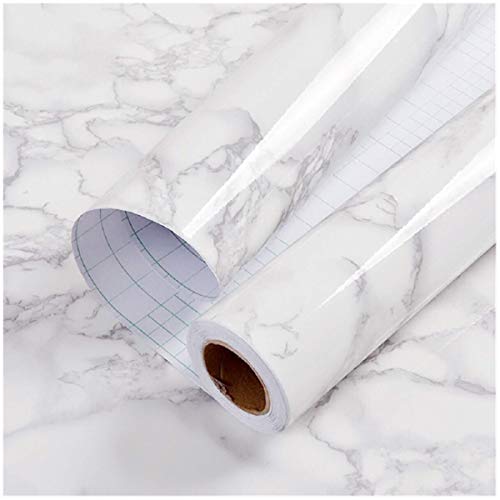
Laminate countertops sit firmly in the entry-level tier. They are manufactured from a particleboard or plywood core covered with a decorative laminate layer. Modern laminate can convincingly mimic stone, wood, and concrete textures, making it a popular choice for budget-conscious renovators. Laminate is lightweight, easy to fabricate, and straightforward to install, which keeps both material and labor costs low. However, it is less resistant to heat, scratches, and moisture intrusion at seams. For a detailed breakdown of this specific option, see our article on laminate countertop replacement costs.
Mid-Range Materials
Butcher block and solid surface materials occupy the mid-range tier. Butcher block offers a warm, natural aesthetic and can be sanded and refinished over time, making it a durable choice for homeowners who appreciate wood character. Solid surface countertops (such as acrylic-based products) are non-porous, seamless, and repairable, which makes them practical for busy kitchens. Both options require more careful installation than laminate but remain accessible for most renovation budgets.
Premium Materials
Quartz and granite represent the premium tier. Quartz is an engineered stone that offers consistent color and pattern, excellent stain resistance, and low maintenance. Granite is a natural stone with unique veining and proven durability. Both require professional templating and fabrication, which adds to the overall project investment. Homeowners comparing these options often explore countertop upgrade costs to understand how premium surfaces fit into a larger kitchen refresh.
Luxury Materials
Marble, soapstone, and other exotic natural stones sit in the luxury tier. These materials offer unmatched visual character but demand careful maintenance and skilled fabrication. Marble, for example, is porous and susceptible to etching from acidic foods, so it suits homeowners who prioritize aesthetics and are willing to invest in proper care. Luxury countertops are typically part of high-end kitchen renovations where the surface is treated as a design focal point.
Countertop Material Comparison at a Glance
The table below summarizes how each material tier compares across key decision factors. Remember that these are relative comparisons — actual project costs depend on your specific measurements, location, and installer.
| Material | Quality Tier | Durability | Maintenance | Best For |
|---|---|---|---|---|
| Laminate | Entry-Level | Moderate — susceptible to heat and scratches | Low — wipe clean, avoid abrasive cleaners | Budget renovations and rental properties |
| Butcher Block | Mid-Range | Good — can be sanded and refinished | Moderate — requires periodic oiling | Warm, natural kitchen aesthetics |
| Solid Surface | Mid-Range | Good — repairable and seamless | Low — non-porous and easy to clean | Busy family kitchens and healthcare spaces |
| Quartz | Premium | Excellent — hard and non-porous | Low — no sealing required | Modern kitchens with consistent design |
| Granite | Premium | Excellent — natural stone durability | Moderate — periodic sealing recommended | Traditional and transitional kitchens |
| Marble | Luxury | Good — but prone to etching and staining | High — requires sealing and careful use | High-end design-focused kitchens |
Key Factors That Influence Your Project Investment
Material choice is the biggest driver, but several other variables shape the final scope of your countertop replacement project. Understanding these factors helps you anticipate where your budget will go and avoid surprises.
Countertop Size & Layout
Larger surface areas require more material and longer fabrication time. L-shaped and U-shaped kitchens with multiple seams and cutouts for sinks and cooktops add complexity compared to a simple straight run.
Edge Profile & Cutouts
Standard edge profiles are typically included in fabrication, while custom edges and specialized cutouts for farmhouse sinks or integrated appliances may increase labor and material waste.
Removal & Disposal
Removing old countertops and disposing of heavy materials like stone adds labor time. Some installers include this in their quote; others charge separately, so clarify upfront.
Fabrication & Templating
Natural stone and quartz require precise digital templating and custom fabrication. This skilled work is a significant portion of the overall investment for premium materials.
Plumbing & Electrical Adjustments
New countertops may require adjusting sink height, relocating plumbing lines, or moving electrical outlets for appliances. These trades add to the project scope.
Backsplash Coordination
If you are adding or replacing a backsplash at the same time, coordinating the two projects can save on labor. See our guide to backsplash installation costs for details.
Geographic Location
Labor rates and material availability vary by region. Urban areas and regions with higher demand for stone fabrication typically see higher installation costs.
Cabinet Condition
If cabinets are uneven or damaged, they may need repair or leveling before new countertops can be installed. Sometimes this is an opportunity to replace kitchen cabinets at the same time.
Ready to explore countertop materials and tools for your project? Browse our recommended selection below.
View Recommended ProductsHow to Plan Your Countertop Replacement Project
A successful countertop replacement starts with careful planning. Follow these steps to keep your project organized and your investment predictable.
- Measure your space accurately. Record the length and depth of every countertop run, including islands and peninsulas. Note the location of sinks, cooktops, and outlets.
- Decide on your material tier first. Choose whether you are targeting entry-level, mid-range, premium, or luxury materials. This decision anchors your entire budget.
- Get at least three quotes. Compare not just totals but what is included — templating, fabrication, removal, disposal, and plumbing adjustments should be itemized.
- Consider the full kitchen context. If you are also updating cabinets, appliances, or flooring, coordinate the sequence so you do not pay twice for overlapping labor. Our new kitchen cost guide can help you sequence a larger renovation.
- Plan for lead times. Stock laminate may be available quickly, while natural stone and custom quartz require templating and fabrication time. Schedule installation when you can be without a functional kitchen for a few days.
- Budget for the unexpected. Set aside a contingency for hidden issues such as water damage under old countertops, uneven cabinet bases, or outdated plumbing connections.
If your countertop replacement is part of a larger renovation, it is worth understanding how individual projects add up. Our overview of kitchen renovation costs and the broader average home renovation cost guide provide useful context for prioritizing upgrades.
DIY vs. Professional Installation: What to Consider
Some countertop materials are genuinely DIY-friendly. Laminate and butcher block can be installed by confident homeowners with basic carpentry skills and the right tools. However, premium and luxury materials — quartz, granite, marble — require specialized equipment for cutting, edge finishing, and precise templating. Attempting to fabricate stone countertops without professional training is risky and often results in wasted material.
Even for DIY-friendly materials, consider the value of your time and the cost of mistakes. A professional installer brings experience with seam placement, sink cutouts, and leveling that is difficult to replicate on a first attempt. If you are weighing the trade-offs, our guide to replacing cabinets and countertops together discusses when professional installation makes the most sense.
Additional Costs Homeowners Often Overlook
Beyond the countertop material and installation itself, several secondary expenses can affect your total project scope. Being aware of them helps you build a realistic plan.
Sink and faucet upgrades: Replacing countertops is an ideal time to install a new sink or faucet, since the old ones must be removed anyway. If you are changing sink size or type, plumbing modifications may be required.
Backsplash: Many homeowners add a new backsplash while the countertops are being replaced. This is efficient because the walls are already accessible. See our guide to kitchen backsplash replacement costs for planning details.
Temporary kitchen setup: If you are replacing countertops in your primary kitchen, you may need a temporary prep area or a few days of eating out. Factor this into your timeline and budget.
Cabinet adjustments: If your existing cabinets are not perfectly level, new countertops may require shimming or repair. In some cases, homeowners discover that redoing kitchen cabinets is a better long-term investment than repairing old ones.
The Bottom Line on Kitchen Countertop Replacement Costs
Countertop replacement is a flexible project with options at every investment level. Entry-level laminate offers an accessible way to refresh a kitchen, while premium quartz and granite provide long-term durability and design impact. Luxury natural stone delivers unmatched character for homeowners who prioritize aesthetics.
The smartest approach is to choose your material tier first, then get itemized quotes from multiple installers so you can compare like-for-like. Plan for the secondary costs — sinks, backsplash, plumbing adjustments — and build in a contingency. With careful planning, new countertops can transform your kitchen without straining your budget.
If you are still exploring the broader scope of kitchen updates, our guides on replacing kitchen counters and changing kitchen countertops offer additional perspectives on planning and material selection.
Frequently Asked Questions
How much does it cost to replace kitchen countertops?
The total cost depends on material choice, countertop size, edge profile, and labor. Entry-level laminate is the most affordable, mid-range options include butcher block and solid surface, while premium and luxury tiers include quartz, granite, and natural stone. Labor typically adds a significant portion to the total, especially for heavy stone materials that require professional fabrication and installation.
What is the cheapest material for kitchen countertops?
Laminate countertops are the most budget-friendly option. They are lightweight, easy to install, and available in many patterns that mimic stone or wood. However, they are less durable and more prone to heat damage and scratches compared to mid-range and premium materials.
How long does countertop replacement take?
Most countertop replacements take one to three days for installation, but the full process including template measurement, fabrication, and scheduling can take one to three weeks. Natural stone and custom-fabricated surfaces typically require longer lead times than stock laminate or butcher block.
Do I need to replace my cabinets when replacing countertops?
Not necessarily. If your cabinets are structurally sound and level, you can often replace only the countertops. However, if cabinets are damaged, uneven, or being refaced, it may be more efficient to coordinate both projects. Always inspect cabinet condition before ordering new countertops. For guidance on cabinet projects, see our articles on replacing kitchen cabinets and cabinet refacing costs.
Can I install countertops myself to save money?
DIY installation is realistic for laminate and butcher block if you have carpentry experience and the right tools. Quartz, granite, and marble require specialized fabrication equipment and skills, so professional installation is strongly recommended for premium and luxury materials.