How Much Does It Cost to Refurbish a Bathroom?
A complete guide to understanding bathroom refurbishment investment tiers — from budget-friendly cosmetic refreshes to top-tier full transformations — so you can plan with confidence.
EXPLORE REFURBISHMENT TIERSQuick Overview: A bathroom refurbishment ranges from an entry-level cosmetic update to a premium full reconfiguration. The final investment depends on scope, material quality, fixture tier, and labor complexity. This guide breaks down the key cost drivers using universal quality descriptors — never fixed figures — so the information stays reliable for years to come.
Why Bathroom Refurbishment Investments Vary So Widely
Bathrooms are among the most complex rooms in any home. They combine plumbing, electrical, waterproofing, ventilation, and finish work in a compact space — which means even a modest refurbishment touches multiple trades. The total investment therefore depends less on the room's square footage and more on what you change and how you change it.
If you are still deciding between a light refresh and a deeper overhaul, it helps to understand the difference between refurbishing existing elements and fully rebuilding the space. Our guide on bathroom renovation planning explains how layout changes affect scope, while our breakdown of redoing a whole bathroom covers full-gut scenarios.
Below, we classify refurbishments into three universal tiers — entry-level, mid-range, and premium — so you can map your goals to a realistic investment range without relying on outdated price quotes.
Bathroom Refurbishment Tiers at a Glance
Use this table to identify which tier matches your ambition. Each tier describes the relative position of materials, fixtures, and labor — not fixed monetary amounts.
| Refurbishment Tier | Typical Scope | Material & Fixture Quality | Labor Complexity | Timeline |
|---|---|---|---|---|
| Entry-Level (Budget-Friendly) | Cosmetic refresh: repaint, re-caulk, replace accessories, update lighting | Affordable, off-the-shelf fixtures; standard finishes | Low — mostly DIY-friendly or single-trade | 1–2 weeks |
| Mid-Range (Mid-Tier) | Replace vanity, toilet, tub or shower, flooring, and tile; minor layout tweaks | Mid-priced brands; durable, water-resistant finishes | Moderate — licensed plumber and tiler required | 3–5 weeks |
| Premium (High-End) | Full reconfiguration: move plumbing, custom cabinetry, luxury fixtures, heated floors | Top-tier brands; natural stone, custom glass, designer hardware | High — multiple trades, permits, project management | 6+ weeks |
For a deeper comparison of partial versus full transformations, see our article on partial renovation planning — the same tier logic applies to bathrooms and helps you decide how far to go.
Key Factors That Influence Your Refurbishment Investment
Understanding these drivers helps you prioritize spending and avoid surprises. Each factor below shifts your project up or down the tier scale.
Scope of Work
Cosmetic updates stay entry-level. Replacing fixtures and surfaces moves you to mid-range. Layout changes and structural work push you into premium territory.
Fixture & Material Tier
Entry-level fixtures prioritize affordability. Mid-range models offer better durability and smoother mechanisms. Premium fixtures deliver designer aesthetics and advanced features.
Labor & Trades
Plumbing and electrical work require licensed professionals. Waterproofing and tiling add specialized labor. DIY cosmetic work reduces labor share significantly.
Layout Changes
Keeping the existing layout is the single biggest cost saver. Moving drains, supply lines, or ventilation ducts multiplies complexity and trade involvement.
Waterproofing & Prep
Proper waterproofing is non-negotiable. Older homes may need substrate repair, mold remediation, or updated moisture barriers before finishes go in.
Permits & Compliance
Structural, electrical, and plumbing changes often require permits. Compliance adds administrative overhead but protects your investment long-term.
If your refurbishment includes a shower upgrade, our guide on standing shower installation tiers breaks down how enclosure type and waterproofing affect the overall scope. For tub-to-shower conversions, see shower and tub redo considerations.
Entry-Level Refurbishment: Budget-Friendly Refresh
An entry-level refurbishment focuses on visible improvements without touching plumbing or layout. It is ideal for homeowners who want a cleaner, more modern look while preserving the existing structure.
- What's included: Fresh paint or wall treatment, new caulk and grout, updated light fixtures, replacement faucets and showerheads, new accessories, and deep cleaning.
- What's excluded: Fixture replacement (toilet, tub, vanity), flooring changes, tile work, and any plumbing relocation.
- Best for: Recently built bathrooms, rental properties, quick pre-sale refreshes, or homeowners testing a design direction before committing to a larger project.
- Relative effort: Mostly DIY-friendly. A single handyman or a confident homeowner can complete most tasks in one to two weeks.
For a closer look at refreshing an existing bathroom without major reconstruction, read our guide on refinishing a bathroom.
Mid-Range Refurbishment: The Most Common Upgrade Path
Mid-range refurbishments replace the major functional elements while keeping the room's footprint. This is the sweet spot for most homeowners seeking a meaningful upgrade without structural work.
- What's included: New vanity and sink, replacement toilet, new tub or shower insert, updated tile surround, new flooring (LVP, tile, or vinyl), and improved lighting and ventilation.
- What's excluded: Moving plumbing lines, changing the room layout, custom cabinetry, and luxury finishes.
- Best for: Bathrooms that are functional but dated; homeowners planning to stay in the home for several years; families needing durable, easy-to-clean surfaces.
- Relative effort: Requires a licensed plumber and tiler. Expect three to five weeks with good scheduling.
If you are evaluating a smaller footprint, our breakdown of small bathroom remodel tiers shows how fixture selection and tile coverage affect the mid-range scope. For master suites, see master bathroom refurbishment planning.
Premium Refurbishment: High-End Full Transformation
A premium refurbishment reimagines the bathroom entirely. It involves layout reconfiguration, custom elements, and top-tier materials. This tier demands careful planning, permits, and a coordinated team of tradespeople.
- What's included: Reconfigured layout, relocated plumbing and electrical, custom vanity and cabinetry, natural stone or large-format tile, frameless glass enclosures, heated floors, smart fixtures, and designer lighting.
- What's excluded: Nothing structural is off-limits, though load-bearing wall changes require engineering input.
- Best for: Primary suites, luxury homes, or homeowners seeking a signature spa-like retreat; projects where long-term value and aesthetics justify the investment.
- Relative effort: High. Expect multiple trades, project management, and a timeline of six weeks or more depending on lead times for custom items.
For projects that include a walk-in shower, our article on walk-in shower installation tiers explains how glass, drainage, and tiling affect premium scope. If you are considering a powder room refresh instead, see powder room remodel considerations.
How to Plan Your Refurbishment Budget Wisely
Rather than anchoring on a single number, build your plan around three buckets: labor, materials, and contingency. Labor typically consumes a larger share in premium tiers due to specialized trades; materials dominate in entry-level refreshes where DIY reduces labor.
Start by defining your non-negotiables (for example, waterproofing and ventilation) and your aspirational items (heated floors, smart mirrors). Then allocate your tier budget to cover essentials first. A contingency reserve of ten to twenty percent is standard practice for any bathroom project, because hidden issues like substrate damage or outdated wiring are common in older homes.
If your project expands beyond the bathroom into adjacent spaces, our guide on whole-house remodel planning helps you sequence work and avoid overlapping trade conflicts.
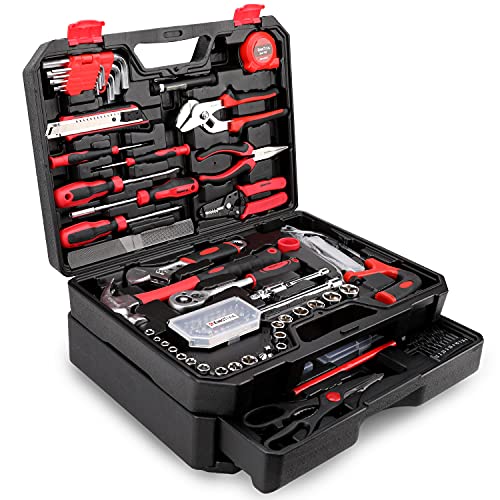
Ready to Equip Your Bathroom Refurbishment?
Explore our recommended tools and fixtures below to match your chosen tier — from budget-friendly essentials to premium upgrades.
VIEW RECOMMENDED PRODUCTSFrequently Asked Questions
How much does a bathroom refurbishment cost?
Costs vary by tier. An entry-level refresh focuses on cosmetic updates and is the most budget-friendly. A mid-range refurbishment includes fixture replacement and partial surface changes. A premium refurbishment encompasses full reconfiguration with high-end materials. Labor typically represents a significant portion of the total investment, especially in mid-range and premium projects.
What is the difference between a refurbishment and a remodel?
A refurbishment typically involves updating existing fixtures, surfaces, and finishes without changing the bathroom layout. A remodel may include structural changes, layout reconfiguration, and moving plumbing or electrical lines. For a detailed comparison, see our guide on bathroom remodeling scope.
How long does a bathroom refurbishment take?
Timelines depend on scope. An entry-level cosmetic refresh may take one to two weeks, a mid-range refurbishment three to five weeks, and a premium full refurbishment six weeks or more. Custom material lead times can extend premium timelines further.
Can I refurbish a bathroom myself to save money?
Some cosmetic tasks like painting, caulking, and installing accessories are DIY-friendly and can reduce labor share in an entry-level refresh. However, plumbing, electrical, and waterproofing work should be handled by licensed professionals to ensure safety and code compliance. For guidance on safe DIY practices, see our bathroom redo planning guide.
Which refurbishment tier offers the best value?
Mid-range refurbishments are the most common choice because they balance durability, aesthetics, and trade involvement. Entry-level refreshes offer the lowest upfront investment but limited transformation. Premium refurbishments deliver the highest customization and longevity but require the largest investment and longest timeline.
Still comparing options? Our guide on redoing a bathroom covers additional scenarios, and our breakdown of full bathroom renovation tiers helps you decide between partial and complete transformations.