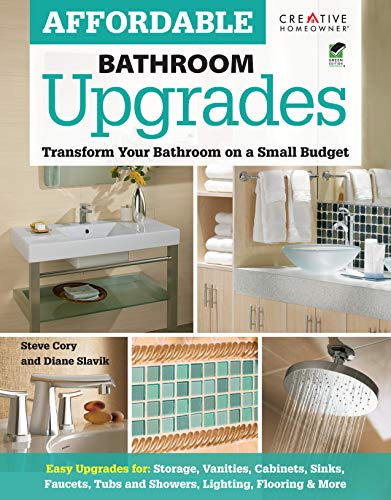
How Much Does a Typical Bathroom Remodel Cost?
Understand the real factors that shape a bathroom remodel budget — from entry-level refreshes to luxury upgrades — so you can plan with confidence and avoid surprises.
EXPLORE COST BREAKDOWNQuick Answer: A typical bathroom remodel is a mid-range project that replaces fixtures, flooring, vanity, and lighting without changing the room's footprint. The final investment depends on bathroom size, material tier, labor rates, and whether plumbing or electrical layouts are modified. This guide breaks down each factor so you can estimate your project with clarity.
What Defines a "Typical" Bathroom Remodel?
A typical bathroom remodel sits between a cosmetic refresh and a full luxury renovation. It usually keeps the existing plumbing and electrical layout intact, which significantly reduces complexity and cost. The goal is to modernize the space, improve functionality, and update worn surfaces — not to reconfigure the room.
A standard project of this type generally includes:
- Replacing the vanity, sink, and faucet
- Installing new flooring (tile, vinyl, or laminate)
- Updating the shower or tub surround
- Replacing the toilet
- Fresh paint and new lighting fixtures
- New mirror, hardware, and accessories
Projects that move plumbing or add square footage are no longer "typical" — they become full renovations with significantly higher complexity. If your plans include layout changes, it is worth reviewing complete bathroom renovation cost factors to prepare for a larger scope.
Material Tiers: The Biggest Cost Driver
Material choice is the single most influential factor in a bathroom remodel budget. The same size bathroom can vary dramatically depending on whether you choose entry-level, mid-range, premium, or luxury finishes. Here is how each tier compares in relative terms.
Entry-Level
Budget-friendly materials that prioritize function over design. Stock cabinets, standard ceramic tile, and basic fixtures. Ideal for rentals or quick refreshes where longevity matters more than style.
Mid-Range
The most common tier for typical remodels. Semi-custom vanities, porcelain tile, mid-priced fixtures, and quality lighting. Balances durability, aesthetics, and value.
Premium
Upgraded materials with better finishes and longer warranties. Natural stone tile, custom cabinetry, designer fixtures, and enhanced storage solutions.
Luxury
Top-tier finishes and custom fabrication. Heated floors, frameless glass enclosures, high-end stone, smart fixtures, and bespoke vanities. Reserved for high-end homes.
As a rule of thumb, mid-range models and materials usually offer a noticeably better finish and durability than entry-level options, while premium and luxury tiers add refinement and longevity that entry-level products cannot match. The key is matching the tier to your home's overall value and your long-term plans. If you are unsure how a bathroom upgrade fits into your home's value, our guide on home improvement projects that increase home value can help you prioritize.
Cost Breakdown by Component
Understanding where the budget goes helps you make smarter trade-offs. Below is a relative breakdown of how a typical bathroom remodel budget is distributed across major components. Values are expressed as relative tiers, not absolute figures.
| Component | Relative Share of Budget | What Influences It |
|---|---|---|
| Labor & Installation | High | Local labor rates, project complexity, number of trades involved |
| Cabinetry & Vanity | High | Stock vs. semi-custom vs. custom, size, hardware, countertop material |
| Tile & Flooring | Medium–High | Material type (ceramic, porcelain, natural stone), coverage area, pattern complexity |
| Fixtures (Faucet, Shower, Toilet) | Medium | Brand tier, finish, water efficiency, smart features |
| Lighting & Electrical | Medium | Fixture count, whether new wiring or outlets are added |
| Plumbing | Low–Medium | Whether existing layout is kept or modified; typical remodels avoid this |
| Paint, Mirror & Accessories | Low | Finish quality, mirror size, hardware style |
| Permits & Contingency | Low–Medium | Local regulations, hidden issues discovered during demolition |
Pro Tip: Always reserve a contingency buffer of 10–20% of your total budget. Bathroom remodels frequently uncover hidden issues — water damage, outdated wiring, or unexpected plumbing problems — that are only visible once walls are opened. A well-planned buffer keeps your project on track without financial stress.
Factors That Affect the Final Investment
Beyond materials, several variables shape the final number. Understanding them helps you anticipate where your project may trend higher or lower.
Bathroom Size
A small powder room costs far less to remodel than a spacious master bath. Larger rooms require more materials, more labor hours, and often more complex layouts.
Labor Rates by Region
Urban and high-cost regions typically have higher labor rates than rural areas. This is often the largest variable between two otherwise identical projects.
Layout Changes
Moving plumbing or electrical lines adds significant complexity and cost. Typical remodels avoid layout changes to keep budgets predictable.
Structural or Hidden Issues
Water damage, mold, or outdated wiring discovered during demolition can increase costs. A pre-remodel inspection can reveal these early.
Permits & Inspections
Most remodels require permits, especially if plumbing or electrical work is involved. Permit costs vary by jurisdiction and add to the total.
Fixture & Finish Selections
Smart toilets, heated floors, and frameless glass enclosures push projects into premium and luxury tiers. Each upgrade adds to the total.
If you are planning a full reconfiguration rather than a typical remodel, the scope and cost profile change significantly. Our guide on full bathroom remodel cost factors explains what to expect when walls, plumbing, and layouts are involved.
How to Budget for Your Bathroom Remodel
Smart budgeting starts with clear priorities. Here is a practical framework:
- Define your scope. Decide whether you are doing a cosmetic refresh, a typical remodel, or a full renovation. Each has a different budget profile.
- Set your tier. Choose entry-level, mid-range, premium, or luxury materials — and stay consistent across categories. Mixing tiers can look inconsistent and blur your budget.
- Get multiple quotes. Labor rates vary. Comparing at least three contractor quotes helps you understand the local market and spot outliers.
- Prioritize durable elements. Invest more in items that are hard to replace later — tile, plumbing fixtures, and cabinetry. Save on easily swappable items like mirrors and accessories.
- Keep a contingency fund. Set aside 10–20% of your total budget for unexpected discoveries.
- Plan the timeline. Material lead times can delay projects. Order key items early, especially tile and custom cabinetry.
If you are also considering other rooms, it helps to compare relative budgets across projects. For example, our guide on complete kitchen renovation cost factors explains how kitchen budgets are structured — useful if you are remodeling multiple spaces in the same year. And if you are comparing a typical remodel to a smaller-scale update, our breakdown of small bathroom remodel cost factors offers a useful comparison.
Typical vs. Other Bathroom Remodel Scopes
It helps to see how a typical remodel compares to related scopes. This table summarizes the relative differences in complexity and budget profile.
| Remodel Scope | Complexity | Typical Inclusions |
|---|---|---|
| Cosmetic Refresh | Low | Paint, new mirror, accessories, light fixture swaps |
| Typical Remodel | Medium | Vanity, flooring, shower/tub surround, toilet, lighting, paint |
| Full Renovation | High | Layout changes, plumbing/electrical relocation, full tile, custom cabinetry |
| Bathroom Addition | Very High | New construction, framing, plumbing runs, permits, full finish work |
If your project involves adding a new bathroom rather than remodeling an existing one, the cost structure is entirely different. Our guide on cost to add a new bathroom explains the construction-side factors. For projects that move or expand the existing space, complete bathroom renovation cost factors provides a deeper breakdown.
Working With a Contractor
Choosing the right contractor is as important as choosing the right materials. A skilled contractor helps you avoid costly mistakes, manages the timeline, and ensures the work meets local building codes. Here is what to look for:
- Licensing and insurance. Always verify that your contractor is licensed and carries liability and workers' compensation insurance.
- Portfolio and references. Ask to see completed bathroom projects and speak with past clients.
- Detailed written quotes. A professional quote itemizes labor, materials, permits, and timelines — avoid vague estimates.
- Clear communication. Choose someone who explains the process, answers questions, and sets realistic expectations.
- Written contract. Never proceed without a contract that outlines scope, payment schedule, timeline, and warranty terms.
If you are still in the early stages of finding the right professional, our resources on home remodeling contractors near you and home repair and remodeling contractors can help you shortlist qualified candidates in your area.
Frequently Asked Questions
What is considered a typical bathroom remodel?
A typical bathroom remodel replaces fixtures, updates flooring, installs a new vanity, applies fresh paint, and modernizes lighting — without changing the room's footprint. It is a mid-range project that improves both function and appearance while keeping plumbing and electrical layouts intact.
How long does a typical bathroom remodel take?
Most typical bathroom remodels take between three and six weeks. The timeline depends on the scope of work, material availability, and whether plumbing or electrical modifications are needed. Custom cabinetry and specialty tile can extend the schedule due to lead times.
What factors affect the cost of a bathroom remodel?
The main factors are bathroom size, material tier, local labor rates, whether the layout is changed, and any hidden issues discovered during demolition. Permits and contingency buffers also influence the final investment.
Is it worth remodeling a bathroom?
Yes. A bathroom remodel improves daily comfort and can increase home value. Updated bathrooms are a strong selling point, and the improvement often returns a significant portion of the investment at resale. A mid-range remodel typically offers the best balance of cost and value.
Should I choose a typical remodel or a full renovation?
Choose a typical remodel if the layout works for you and the main goal is to update finishes and fixtures. Choose a full renovation if you need to change the layout, add space, or address structural issues. Full renovations cost more but can transform the room completely.
Planning Your Bathroom Remodel?
Use our detailed cost guides to compare scopes, understand material tiers, and set a realistic budget before you hire a contractor.
Explore Full Renovation Costs