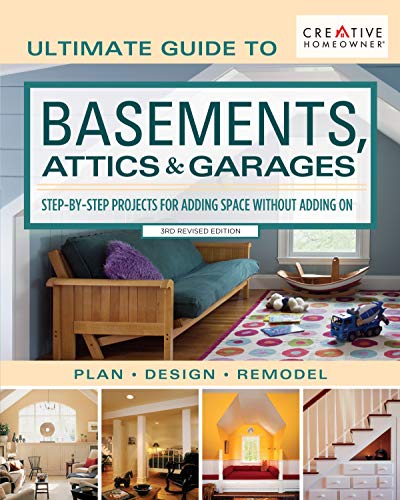
Garage Additions: The Complete Guide to Expanding Your Home
Everything you need to know about planning, designing, and building a garage addition — from permits and costs to contractor selection and design ideas.
START PLANNING YOUR GARAGEWhy consider a garage addition? A garage addition is one of the most practical home improvements you can make. It adds valuable square footage, improves functionality, and can significantly boost your property's resale value. Whether you need more space for vehicles, a workshop, or storage, a well-planned garage addition can transform how you use your home.
Planning Your Garage Addition
Before breaking ground, careful planning is essential. Start by assessing your available space, local zoning regulations, and your specific needs. Determine whether you want an attached or detached garage, and consider how the addition will integrate with your existing home's architecture. A garage addition contractor can help you navigate these early decisions and ensure your project stays on track from the start.
Consider the size and layout carefully. A single-car garage typically requires a minimum of 12x22 feet, while a two-car garage needs at least 20x20 feet. Think about ceiling height, door placement, and whether you want to include a workshop area or additional storage. If you're also considering converting an existing garage into living space, explore garage finishing options to maximize your investment.
Types of Garage Additions
There are several approaches to adding a garage, each with distinct advantages. Attached garage additions provide convenient access to your home and typically cost less to build since they share walls and rooflines with your existing structure. Detached garages offer more flexibility in design and can serve multiple purposes, from vehicle storage to a dedicated workshop or home gym.
Another option is a garage extension, which expands your existing garage footprint. This is often the most cost-effective solution if you already have a garage but need more space. For those considering a full transformation, garage remodeling near me services can help you reimagine your current space without the complexity of a new addition.
Understanding Garage Addition Costs
The cost of a garage addition varies significantly based on size, materials, location, and whether it's attached or detached. Entry-level projects typically involve basic construction with standard materials, while mid-range options include upgraded finishes and enhanced insulation. Premium garage additions may feature custom doors, climate control, and integrated storage systems.
Budget-friendly approaches often involve using existing foundations or choosing a simple rectangular design. Mid-tier projects might include architectural details that match your home's style, while high-end additions can incorporate features like epoxy floors, built-in workbenches, and smart garage door openers. For a detailed breakdown of expenses, explore our guide on garage remodel costs to understand what to expect at each tier.
Permits, Zoning, and Regulations
Most garage additions require building permits and must comply with local zoning laws. These regulations govern setback distances, maximum square footage, and height restrictions. Before you begin, check with your local building department to understand the requirements in your area. Failure to obtain proper permits can result in fines, forced removal, and complications when selling your home.
Working with experienced garage extension contractors ensures that your project meets all code requirements. They can handle the permitting process on your behalf and coordinate inspections, saving you time and reducing stress. If you're also planning broader home improvements, consider how a garage addition fits into your overall renovation strategy with guidance from general contractors for home renovation.
Garage Addition Design Ideas
Your garage addition should complement your home's exterior while serving your practical needs. Popular design choices include matching siding and roofing materials to the main house, adding windows for natural light, and incorporating a side-entry door for better curb appeal. For those who use their garage as a workspace, consider epoxy flooring, ample electrical outlets, and dedicated lighting.
If you're planning to use the garage for multiple purposes, think about how you'll organize the space. Wall-mounted storage systems, overhead racks, and modular workbenches can maximize functionality. For inspiration on improving your home's exterior at the same time, explore curb appeal ideas that can complement your new garage addition.
How to Choose the Right Garage Addition Contractor
Selecting a qualified contractor is critical to the success of your garage addition. Look for contractors who specialize in garage construction, have a proven track record, and carry proper insurance and licensing. Request references from recent projects and ask to see examples of their work. A reliable contractor will provide a detailed written estimate, a clear timeline, and transparent communication throughout the project.
Before hiring, get at least three quotes and compare not just the bottom line, but also what each contractor includes in their scope of work. Ask about warranties on materials and labor, and confirm that they'll handle all necessary permits. For broader home addition projects, you may also want to consult home addition contractors near me to find professionals who can handle both garage and living space expansions.
DIY vs. Professional Garage Addition
While some homeowners consider tackling a garage addition as a DIY project, this is rarely advisable for anything beyond minor cosmetic work. Garage additions involve structural engineering, electrical work, plumbing (if you're adding a utility sink or bathroom), and compliance with building codes. Mistakes in any of these areas can be dangerous and expensive to fix.
For most homeowners, hiring a professional is the safer, more practical choice. That said, you can save money by handling certain tasks yourself, such as painting, landscaping around the new structure, or installing storage systems after construction is complete. If you're considering other home improvements alongside your garage addition, explore options like custom remodeling to create a cohesive plan for your entire property.
Maintaining Your Garage Addition
Once your garage addition is complete, regular maintenance will keep it in good condition for years to come. Inspect the roof and gutters annually, seal the driveway and garage floor as needed, and check the garage door's springs and rollers periodically. Proper insulation and ventilation help prevent moisture buildup and extend the life of your addition.
If you're also upgrading related areas of your home, consider how changes like gutter installation or flooring installation can complement your new garage and protect your investment. A well-maintained garage addition adds lasting value to your property and enhances your daily living experience.