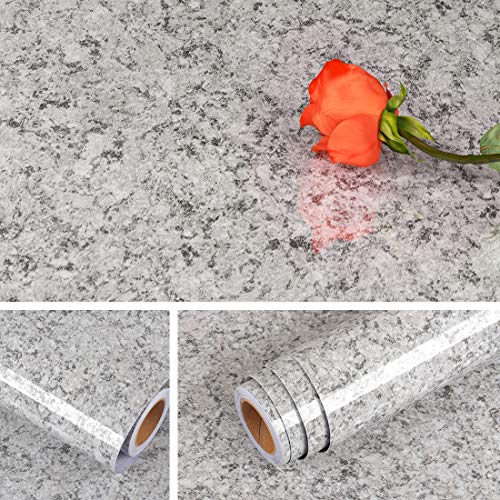
Kitchen Countertop Replacement: Materials, Planning, and What to Expect
If you are researching a countertop replacement, you likely already know the surface you want. This guide fills in the practical details — material tiers, labor factors, project timeline, and how to prepare — so you can move forward with confidence.
Explore Material OptionsWhy this guide exists: Replacing kitchen countertops is one of the most impactful upgrades in a kitchen, combining daily utility with visual transformation. Most homeowners arrive at this decision with a specific material in mind — quartz, granite, laminate, or solid surface — but still need clarity on what the project involves beyond the surface itself.
Below you will find a structured breakdown of material tiers, the factors that shape project scope and timeline, a step-by-step process overview, and answers to the questions that come up most often during the research phase. Whether you are planning a straightforward swap or coordinating countertops as part of a larger kitchen renovation, this guide is designed to give you the full picture before you commit.
Countertop Material Tiers: A Practical Comparison
Countertop materials are best understood by their market position and performance characteristics rather than by any specific figure. The tiers below describe relative positioning so you can match a material to your priorities — durability, maintenance, visual consistency, or design flexibility.
Laminate
A practical, low-maintenance choice for light-to-moderate use. Modern laminate offers convincing stone and wood visuals with improved surface durability. Best suited for secondary kitchens, rentals, or projects where the surface is expected to be refreshed within a defined timeframe.
Solid Surface
A seamless, repairable material that can be sanded and refinished if scratched. Solid surface offers design freedom for integrated sinks and curved edges. It handles daily kitchen activity well, though it is more susceptible to heat damage than stone alternatives.
Quartz
Engineered stone with consistent patterning and strong resistance to scratches and moisture. Quartz requires no sealing and is available in a wide range of colors and veining styles. A popular choice for busy kitchens where visual uniformity and low maintenance are priorities.
Granite
Natural stone with unique, one-of-a-kind patterning. Granite is highly durable and heat-resistant, though it requires periodic sealing to maintain stain resistance. Each slab is distinct, making it a strong choice for homeowners who value natural character over uniformity.
Marble & Natural Stone
Marble, soapstone, and other natural stones offer distinctive aesthetics and a tactile appeal that is difficult to replicate. They require more careful maintenance and are best suited to kitchens where the surface is treated as a design centerpiece rather than a heavy-use workhorse.
Butcher Block
Warm, workable, and repairable. Butcher block is forgiving on dishware and can be sanded and re-oiled over time. It requires regular maintenance and is not recommended for wet zones unless properly sealed and cared for.
Selection tip: Match the material tier to how the kitchen is actually used. A high-end tier surface in a lightly used kitchen may be less practical than a mid-range material that suits the daily routine. Consider maintenance willingness, heat exposure, and whether the surface will be used for food preparation or primarily for serving and display.
Key Factors That Shape Your Project
The scope of a countertop replacement depends on more than the surface material. The following factors influence planning, scheduling, and the overall complexity of the project.
- Countertop area and layout: Straight runs are simpler to template and install than L-shaped, U-shaped, or island configurations. More corners and seams increase fabrication complexity.
- Edge profile and cutouts: Standard edges are straightforward; decorative edges, farmhouse sink aprons, and integrated drainboard grooves add fabrication steps.
- Existing cabinet condition: The new surface relies on level, solid cabinet frames. If cabinets are uneven or water-damaged, repair or reinforcement should be addressed before templating.
- Plumbing and electrical adjustments: Relocating a sink, adding a dishwasher line, or installing under-cabinet lighting may require a plumber or electrician alongside the countertop crew.
- Backsplash coordination: If you are adding or replacing a backsplash, sequencing matters. Countertops are typically installed first, followed by the backsplash. Planning both together avoids rework.
- Access and delivery: Large slabs require clear pathways. Tight stairwells, narrow doorways, or elevators can affect delivery logistics and may require additional planning.
At-a-Glance Material Comparison
| Tier | Material | Best For | Maintenance Level |
|---|---|---|---|
| Entry-Level | Laminate | Secondary kitchens, rentals, light-use spaces | Low |
| Mid-Range | Solid Surface | Seamless looks, integrated sinks, repairability | Low to Moderate |
| Premium | Quartz | Busy family kitchens, uniform design, low upkeep | Low |
| Premium | Granite | Natural character, heat resistance, durability | Moderate (periodic sealing) |
| Luxury | Marble / Natural Stone | Design-focused kitchens, distinctive aesthetics | Moderate to High |
| Premium | Butcher Block | Warm aesthetics, forgiving surface, repairability | Moderate (regular oiling) |
The Replacement Process, Step by Step
Understanding the sequence helps you coordinate with contractors, plan household routines, and anticipate downtime. Most projects follow a predictable path.
- Consultation and material selection: Finalize the material, edge profile, and sink type. Confirm whether the existing cabinets can support the chosen surface.
- Templating: A technician creates a precise template of the existing layout, accounting for walls, appliances, and cutouts. This step is critical for a clean fit.
- Fabrication: The countertop is cut and finished at the fabrication shop. Lead time varies by material; natural stone and custom edges typically require longer fabrication windows.
- Removal of old surface: The existing countertop is detached and removed. Plumbing and electrical connections at the sink and appliance areas are disconnected as needed.
- Installation: The new surface is set, leveled, and secured. Seams are bonded and finished. Sink and faucet connections are re-established.
- Backsplash and final detailing: If a new backsplash is part of the scope, it is installed after the countertop. Caulking, sealing (for natural stone), and final cleanup complete the project.
Timeline note: A straightforward laminate or solid surface replacement can often be completed in one to two days after templating. Natural stone and quartz projects typically involve a longer lead time between templating and installation due to fabrication. Plan for a temporary kitchen setup during the installation window.
Planning Guidance for a Smooth Project
A few practical steps before work begins can prevent surprises and keep the project on track.
- Confirm measurements early: Verify the countertop area, including overhangs and appliance gaps. Discrepancies discovered during templating can delay fabrication.
- Decide on sink and faucet ahead of time: Undermount sinks require fabrication cutouts before installation. Changing the sink after templating may require a new template.
- Coordinate trades: If plumbing or electrical work is needed, schedule it alongside the countertop installation to avoid gaps in the timeline.
- Clear access routes: Remove obstacles from entryways and hallways. Large slabs require a clear path from the delivery vehicle to the kitchen.
- Plan for temporary arrangements: Set up a temporary prep area and store essential items during the installation window.
If the countertop replacement is part of a broader kitchen update, it helps to sequence it alongside related work. For example, if you are also considering new cabinetry, coordinating the two avoids removing a freshly installed surface later. Our guide on combining cabinets and countertops covers how to plan those elements together.
Related Considerations
Countertops rarely exist in isolation. Depending on the age of the kitchen and the scope of your plans, the following areas may come up during planning.
- Backsplash: Often installed after the countertop. If you are choosing a new backsplash material, plan the sequencing and material compatibility together.
- Sink and faucet: A countertop replacement is an ideal time to upgrade the sink and faucet, since the cutouts and connections are already being addressed.
- Cabinet condition: If the cabinets are showing wear, addressing them before the new countertop goes in prevents future removal work.
- Ventilation and lighting: Under-cabinet lighting and range hood adjustments are easier to coordinate while the countertop area is open.
For projects that extend beyond the countertop, resources on kitchen remodeling contractors and kitchen renovation planning can help you frame the broader scope.
Frequently Asked Questions
Most standard countertop replacements take one to three days for fabrication and installation, depending on the material, layout complexity, and whether plumbing or electrical work is involved. Custom stone with intricate edge profiles may require additional lead time for templating and fabrication.
Yes, in most cases existing cabinets can remain in place. However, the installation team must verify that cabinet frames are level, structurally sound, and capable of supporting the new surface. Uneven or damaged cabinets should be repaired first to prevent future issues.
Quartz and granite are among the most durable options for high-traffic kitchens. Both resist scratches, heat, and moisture well, though quartz offers more consistent patterning and requires less sealing. Laminate and solid surface materials are viable for lighter use but show wear sooner in heavy-duty environments.
In most jurisdictions, a simple countertop swap does not require a permit. However, if the project involves relocating plumbing, adding electrical outlets, or altering the cabinet structure, permits may be necessary. Always confirm local requirements before starting work.
Slab countertops offer a seamless surface with fewer seams, making them easier to clean and visually cohesive. Tile countertops provide design flexibility and can be installed in phases, but grout lines require more maintenance. Consider your maintenance preferences and kitchen layout before deciding.
Ready to Compare Countertop Options?
Explore recommended tools and surface-care products to support your kitchen upgrade.
View Recommended ProductsFor broader kitchen project planning, you may also find value in guides on whole-kitchen remodeling, kitchen redesign services, and backsplash installation.