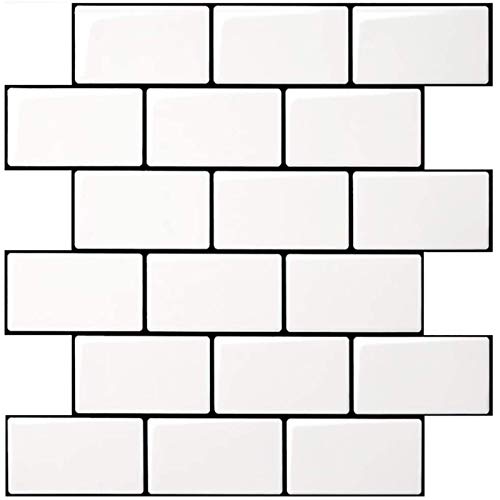
Backsplash Ideas: Transform Your Kitchen and Bath Walls
Discover practical backsplash ideas for kitchens and bathrooms. Compare tile materials, patterns, layouts, and installation approaches so you can choose a design that is beautiful, durable, and right for your space.
EXPLORE BACKSPLASH MATERIALSWhy a backsplash matters: A backsplash protects your walls from moisture, grease, and stains while anchoring the visual style of a kitchen or bath. The right choice balances durability, maintenance, and design cohesion with your cabinets and countertops. This guide walks through the most popular backsplash ideas, from classic subway tile to modern large-format slabs, so you can plan a remodel with confidence.
Backsplash Materials Compared
The material you choose determines how the backsplash performs day to day. Below are the most common categories, each described by its position in the market rather than by any figure.
Ceramic Tile
An entry-level option that is easy to cut and install. Ceramic resists moisture well and comes in a wide range of colors and finishes. Best suited to low-traffic walls and weekend DIY projects.
Porcelain Tile
Denser and more water-resistant than standard ceramic. Porcelain handles heat and staining better, making it a solid choice for kitchen walls behind cooking zones. Available in many formats, including large panels.
Glass Tile
Reflects light and adds visual depth. Glass mosaics work well in bathrooms and as accent strips. Quality varies, so choose frost-resistant and mesh-backed options for wet areas.
Natural Stone
Marble, travertine, slate, and granite bring a high-end tier look. Each stone has unique veining. Most natural stone requires periodic sealing to resist stains and moisture.
Large-Format Slab
Fewer grout lines create a seamless, modern appearance. Slabs suit minimalist kitchens and are efficient to clean. Installation is best handled by a professional due to weight and cutting requirements.
Peel and Stick
A quick-refresh option for rentals or temporary updates. Easy to apply and remove, but generally less durable and less heat-resistant than tile. Good for low-moisture zones.
Metal Tile
Stainless steel and brushed metal finishes give a commercial-grade feel. They are stain-resistant and easy to wipe down, pairing well with modern cabinetry and open shelving.
Handmade & Zellige
Irregular surfaces and tonal variation create a crafted look. Each tile is unique, so expect layout planning and a more careful installation. A luxury choice for feature walls.
Material Comparison at a Glance
| Material | Tier | Best For | Maintenance |
|---|---|---|---|
| Ceramic Tile | Essential tier | Weekend DIY, low-traffic walls | Wipe clean; grout sealing recommended |
| Porcelain Tile | Mid-range | Kitchen cooking zones, wet areas | Low maintenance; stain-resistant |
| Glass Tile | Mid-range | Bathrooms, accent strips | Wipe with non-abrasive cleaner |
| Natural Stone | Premium | Feature walls, traditional kitchens | Periodic sealing required |
| Large-Format Slab | Premium | Modern, seamless kitchens | Minimal grout; easy to wipe |
| Peel and Stick | Starter tier | Rentals, quick refreshes | Gentle cleaning; limited durability |
| Metal Tile | Mid-tier | Contemporary kitchens, utility areas | Wipe clean; resists stains |
| Handmade / Zellige | High-end tier | Design-focused feature walls | Seal and clean carefully |
Patterns and Layout Ideas
The layout changes how a room reads. A simple pattern keeps a small kitchen calm, while a bold pattern becomes a focal point. Consider these proven approaches:
Subway Running Bond
A classic offset layout that works in nearly every style. It is forgiving during installation and easy to repair later.
Herringbone
Angled interlocking tiles create movement and a premium feel. Best planned on paper first, as cuts increase waste.
Stacked Bond
Clean horizontal or vertical lines give a modern, grid-like appearance. Ideal for large-format and metal tiles.
Hexagon Mosaic
Small hex tiles soften hard surfaces and suit bathrooms especially well. Mesh backing speeds up installation.
Brick Bond
A traditional, warm layout that pairs naturally with rustic and farmhouse kitchens. Works with ceramic and stone.
Full-Height Feature Wall
Running the backsplash to the ceiling or hood line adds drama and makes a small wall feel taller.
Installation and Planning Tips
- Measure twice: Account for outlets, window trim, and the range hood cutout before ordering tile.
- Plan the layout: Dry-fit tiles on the floor or wall to center the pattern and avoid narrow edge cuts.
- Prepare the surface: Clean, level, and repair drywall before applying adhesive. Sound preparation prevents tile pop-off later.
- Use the right adhesive: Choose thinset or mastic suited to your tile weight and location. Wet areas need moisture-resistant products.
- Seal grout: Sealing grout lines improves stain resistance, especially in kitchens behind cooking surfaces.
- Coordinate with countertops: Bring samples of cabinet and countertop finishes when selecting tile so the palette works together. Our color palette guides can help narrow options.
- Check local rules: If you are changing electrical outlets or adding under-cabinet lighting, review our outlets and switches guide and consult a licensed electrician where required.
- Consider the wider remodel: A backsplash is often part of a larger upgrade. Review kitchen renovation ideas and kitchen renovations to plan sequencing with cabinets and counters.
Ready to Shop Backsplash Materials?
Browse a curated selection of tiles, adhesives, and installation tools recommended for kitchen and bath backsplash projects.
VIEW RECOMMENDED PRODUCTSFrequently Asked Questions
What is the most durable backsplash material?
Porcelain tile and natural stone are among the most durable options. Porcelain resists moisture, stains, and heat well, while natural stone offers a premium look but requires periodic sealing.
Can I install a backsplash over existing tile?
Yes, you can install a new backsplash over sound existing tile using a suitable bonding adhesive and proper surface preparation. Account for the added thickness and ensure grout lines align with the new layout.
Are peel and stick backsplashes a good choice?
Peel and stick backsplashes are an entry-level option that works well for rentals or quick refreshes. They are easier to install but generally less durable than ceramic or porcelain tile.
Do I need to seal my backsplash?
Natural stone and cement-based grout benefit from sealing. Porcelain and glass tile usually need less maintenance, but sealing grout lines improves stain resistance in kitchens.
Should the backsplash match the countertop or the cabinets?
Either approach works. Matching the countertop creates continuity, while contrasting with cabinets adds interest. A neutral tile with a subtle pattern is a flexible middle ground.
Related Remodeling Guides
If your backsplash project is part of a larger upgrade, these guides can help you plan the next steps:
- Planning a full kitchen refresh? See kitchen remodel planning and kitchen renovation guides.
- Refreshing a bathroom at the same time? Read bathroom remodel planning and bathroom wall treatments.
- Considering a whole-house update? Review home renovation planning and whole-house renovation.
- Adding value to your property? Explore home improvements that increase value.
- Need help hiring? Find home remodeling contractors and bath renovation contractors.